Iran22 February, 20262 min read
US, Iran Escalate Military Posturing, Raising War Risk Ahead Of Geneva Talks
Oman-mediated indirect U.S.–Iran nuclear talks set for Geneva on Thursday U.S. issued a 48-hour deadline for Iran to submit a comprehensive nuclear proposal
23 outlets told this the same way.
US-Iran military and talks
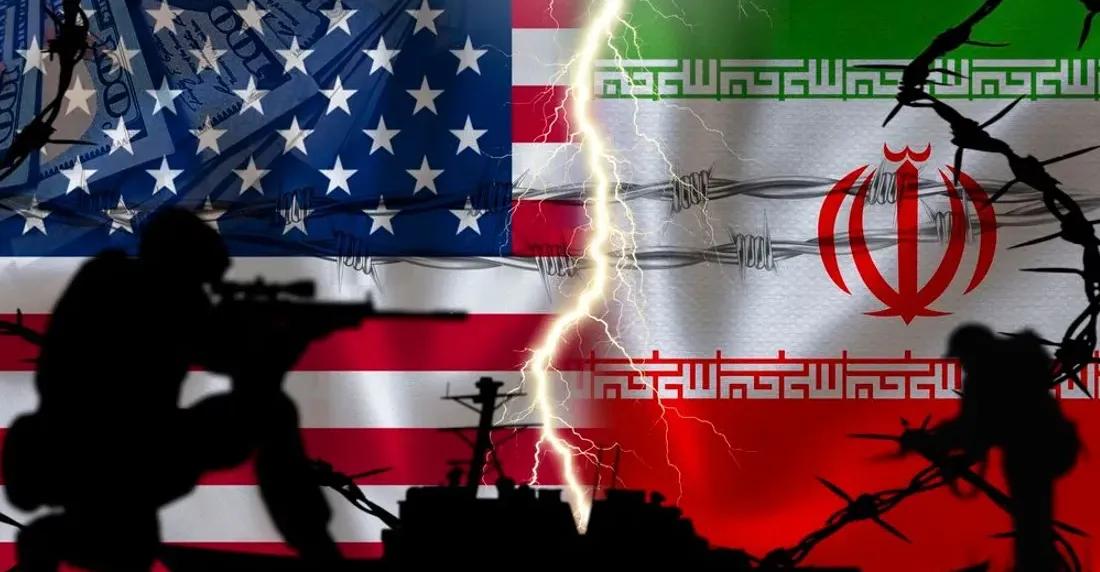
Washington and Tehran have sharply increased military posturing while indirect, Oman-mediated nuclear talks are scheduled in Geneva, creating a high-risk diplomatic window.
“Oman’s foreign minister, Badr Al Busaidi, said new US–Iran talks are set for Geneva on Thursday and there is a ‘positive push’ to finalize a deal.”
Multiple sources report the US has substantially reinforced its regional military presence—describing “more than 120 aircraft” and a Gerald R. Ford carrier headed to join another group.
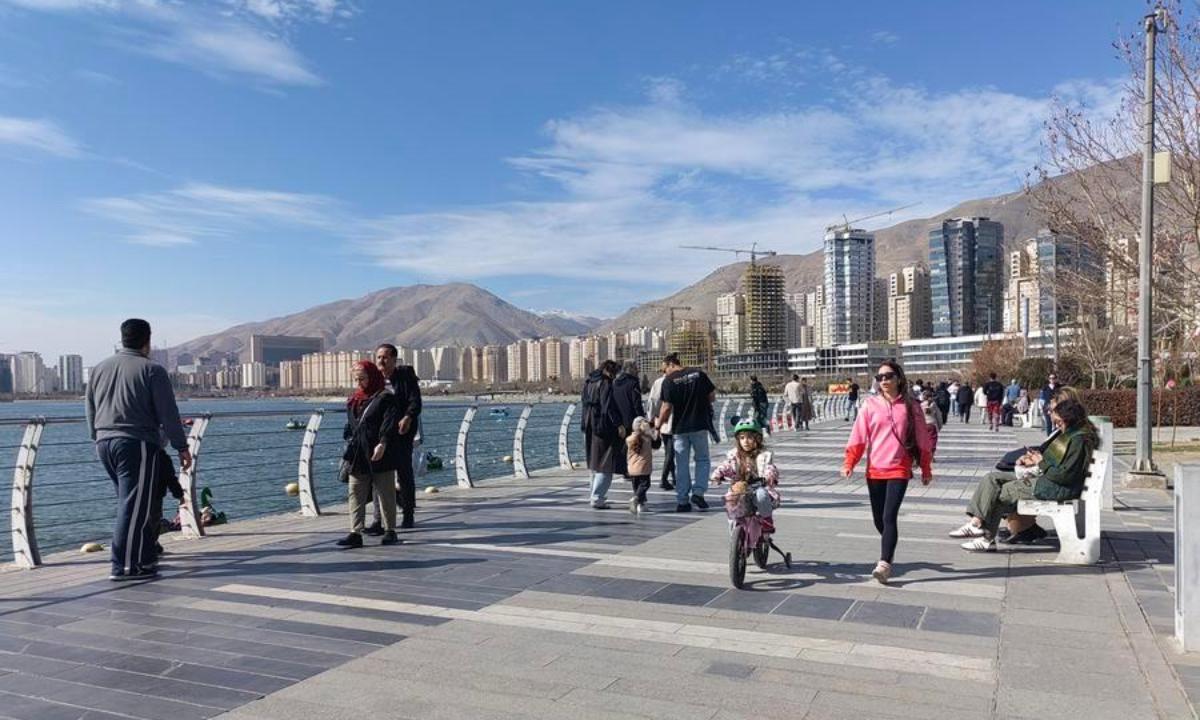
Oman and its foreign minister urged negotiators to finalise a deal in Geneva and “go the extra mile.”
The buildup and the Geneva timetable sit alongside blunt US rhetoric accusing Iran of refusing to “capitulate,” raising fears that diplomacy and military pressure are running in parallel rather than sequentially.
Iran nuclear talks stance
Tehran's negotiators publicly insist talks should be limited to nuclear issues and defend the domestic nuclear programme as a matter of national "dignity and pride." They signal a willingness to draft proposals — including offers to send enriched material abroad or dilute stockpiles under international supervision — if sanctions relief and recognition of peaceful enrichment are secured.
Iran's deputy foreign minister Abbas Araghchi is quoted as preparing a draft that could bridge differences and seeking a "fast deal." Washington seeks broader limits on enrichment and, in some accounts, on missiles and regional proxy activity.

US military buildup
The US has paired hardline rhetoric with a significant redeployment of forces.
“Washington has massed the largest regional airpower since 2003—more than 120 aircraft—with the USS Gerald R. Ford en route to join the USS Abraham Lincoln strike group.”
Some outlets describe the deployment as the biggest regional airpower since 2003 and say it signals potential contingency strike planning.
Reports say more than 120 aircraft have been deployed and the USS Gerald R. Ford is en route to join another strike group.
Other coverage cites New York Times reporting that President Trump is weighing limited strikes and larger military options if diplomacy fails.
Iran unrest and diplomacy
Domestic unrest in Iran - including university and student protests and a government crackdown - complicates the diplomatic picture. Outlets report widely different casualty figures, signalling that internal politics shape negotiators' room for manoeuvre.
Several sources cite disputed death tolls from protests and memorials. Iranian officials tell some outlets the leadership is preparing for any scenario while describing talks as 'encouraging' or 'practical'.

Iran talks: diplomacy vs force
Mediators and Iranian negotiators voice cautious optimism and urge rapid text-drafting. US officials and some Western outlets warn diplomacy could quickly give way to military plans if Iran does not provide a comprehensive draft. Oman described a 'positive push,' and Araghchi spoke of a potential 'fast deal'.
“Oman’s foreign minister, Badr Al Busaidi, said new US–Iran talks are set for Geneva on Thursday and there is a ‘positive push’ to finalize a deal.”
albawaba reported the US would be ready to meet only if Iran submits a comprehensive draft and that otherwise Washington may prioritise military options. albawaba also said envoys including Steve Witkoff and Jared Kushner may attend Geneva. The combination of conditional diplomacy, public deadlines, and a large force posture leaves the talks fragile and elevates the risk of confrontation.