Full Analysis Summary
Geneva nuclear talks summary
U.S. and Iranian officials met indirectly in Geneva for fresh nuclear talks aimed at addressing both sanctions and technical nuclear issues.
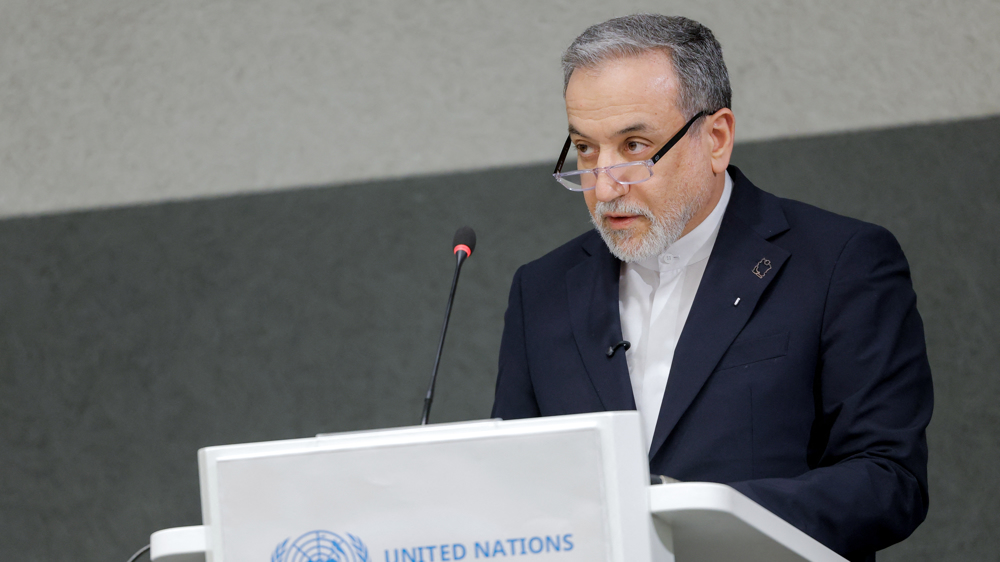
Iran’s Foreign Minister Abbas Araghchi framed Iran’s right to civilian nuclear energy as "inherent and non-negotiable."
According to the Iranian account reported at the UN Conference on Disarmament, the Geneva discussions came shortly after a second round of indirect talks with US officials.
The Iranian statement said the Geneva discussions were shaped by regional diplomatic openings such as mediation by Oman.
The Iranian statement emphasized that durable agreements require "mutual balanced commitments."
Coverage Differences
Missed Information
Only a single source (PressTV, West Asian) is available to describe the talks. Because no Western mainstream or alternative sources are provided, I cannot compare distinct narratives, tones, or factual discrepancies across outlets. The paragraph therefore reports PressTV’s presentation: Iran’s characterization of the talks, the timing, and the role of regional intermediaries, but cannot show how other outlets might frame the same events.
Iran nuclear talks stance
Araghchi reiterated Iran's declared nuclear doctrine at the conference, telling delegates that Iran "forbids nuclear weapons" and that negotiations must be based on balanced, mutual steps.
He said the Geneva exchanges focus on lifting sanctions and resolving technical questions about Iran's nuclear activities, reflecting Tehran's public negotiating priorities as reported by PressTV.
The ministry framed the talks as technical and sanctions-oriented rather than a shift toward military ambitions.
Coverage Differences
Tone
With only PressTV’s report available, the tone is centered on Iran’s assurances and emphasis on peaceful use; without other sources, it is not possible to show whether Western mainstream or alternative outlets emphasize e.g. proliferation risks, US demands, or Israeli security concerns. The paragraph therefore reflects PressTV’s framing: Iran’s insistence that its doctrine forbids nuclear weapons and the talks’ focus on sanctions and technical matters.
Iran nuclear criticisms and inspections
PressTV's account records strong Iranian criticism of past U.S. policy.
Araghchi "sharply criticized the US for withdrawing from the JCPOA in 2018" and condemned recent attacks on Iranian nuclear sites, calling them "war crimes" and accusing the US of colluding with Israel.
The report adds that Tehran denounced perceived international double standards concerning Israel's capabilities.
Alongside its criticisms, the article says Iran is conducting technical consultations with IAEA chief Rafael Grossi about inspections of damaged safeguarded facilities.
Coverage Differences
Narrative Framing
PressTV foregrounds Iranian accusations and legal‑moral language (e.g., “war crimes”) and frames the U.S. withdrawal from the JCPOA as a pivotal grievance. Since no other outlets are supplied, I cannot show if other sources quote Israeli or U.S. rebuttals, or if they use different legal or diplomatic terms; this limits cross‑source comparison of framing.
Iran nuclear diplomacy
PressTV concludes by quoting Araghchi urging the Conference on Disarmament to "overcome paralysis and negotiate a comprehensive nuclear weapons convention."
The report presents Iran as pushing for broader arms-control negotiations while seeking practical fixes at the IAEA level.
Because only this West Asian outlet’s reporting is available here, readers should be aware that the article reflects Iranian statements and priorities.
Additional sources would be required to present U.S. reactions, independent verification of technical claims, or alternative regional perspectives.
Coverage Differences
Missed Information
The provided corpus contains only PressTV, so the coverage lacks U.S., Israeli, European, IAEA, or alternative regional sources. This paragraph therefore reports PressTV’s closing emphases and explicitly acknowledges missing viewpoints that would be necessary to assess competing narratives or verify Iran’s claims.