
US-Iran Peace Talks Fail as Iran Rejects Nuclear Restrictions in Islamabad
Key Takeaways
- Marathon talks in Islamabad lasted 21 hours and failed to produce a deal.
- Iran rejected U.S. nuclear restrictions, ending the talks without agreement.
- Both sides blamed each other for the breakdown.
Peace Talks Collapse
The United States and Iran failed to reach a peace agreement after 21 hours of marathon talks in Islamabad.
“High-stakes talks between the United States and Iran have ended without a deal, and Iran’s chief negotiator, Mohammad Bagher Ghalibaf, has blamed the US for the failure of talks held in Islamabad, Pakistan, during a two-week ceasefire in their war”
Vice President JD Vance announced that the Iranians have chosen not to accept our terms.

The core sticking point was Iran's refusal to give up its nuclear ambitions.
Iran's parliament speaker said the US was unable to gain the trust of the Iranian delegation.
The talks were the highest-level face-to-face encounter since the 1979 Islamic Revolution.
The failure came despite a fragile two-week ceasefire.
Trump Blocks Strait
President Trump announced that the US Navy would begin blockading the Strait of Hormuz effective immediately.
He threatened to interdict every vessel that had paid a toll to Iran.
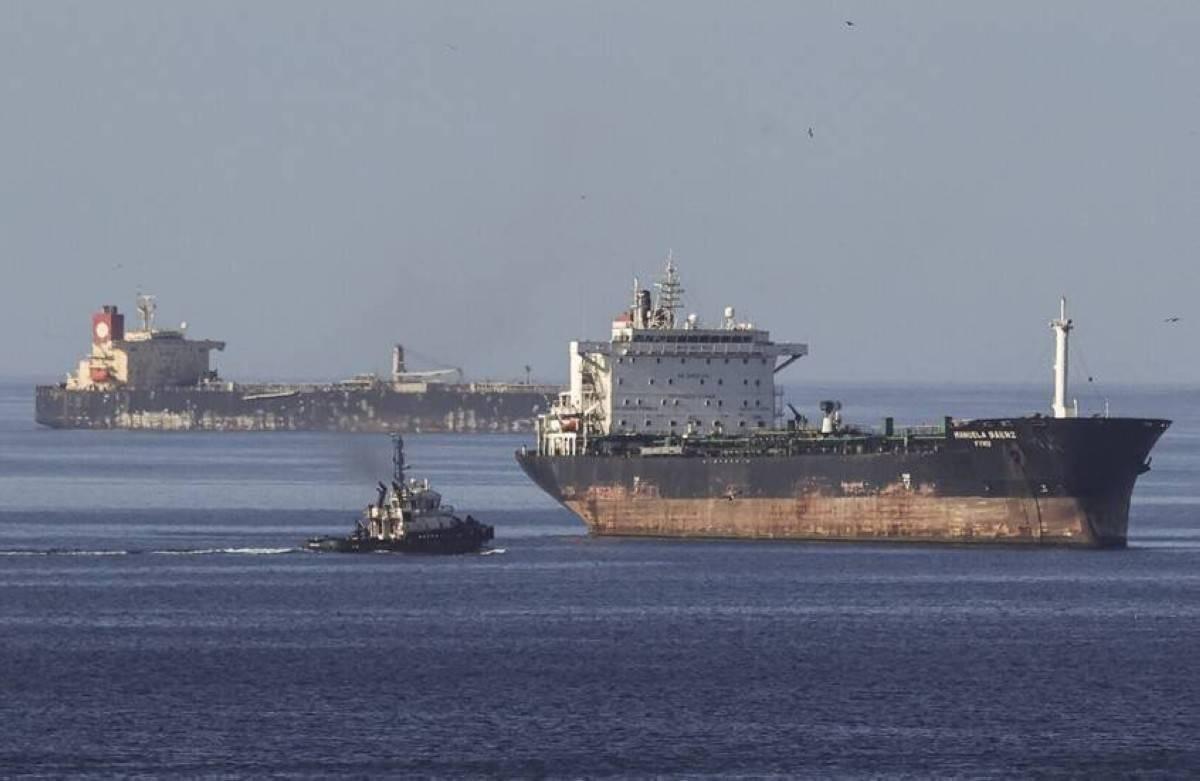
Iran will not be allowed to profit off this Illegal Act of EXTORTION, Trump wrote.
The blockade came as the strait had been effectively closed by Iran since the war began.
The closure disrupted roughly 20% of the world's oil supply.
Global Reactions
Pakistan's foreign minister said his country would try to facilitate new dialogue.
The European Union saluted Pakistan for its mediation efforts.
Russian President Putin told his Iranian counterpart he was ready to help mediate peace.
British health minister Wes Streeting called the failure obviously disappointing.
The blockade threatened to prolong global economic disruption.
Unresolved Issues
The talks exposed deep divisions on core issues including Iran's nuclear program and control of the Strait of Hormuz.
Iran demanded control of the strait, payment of war reparations, and release of frozen assets.
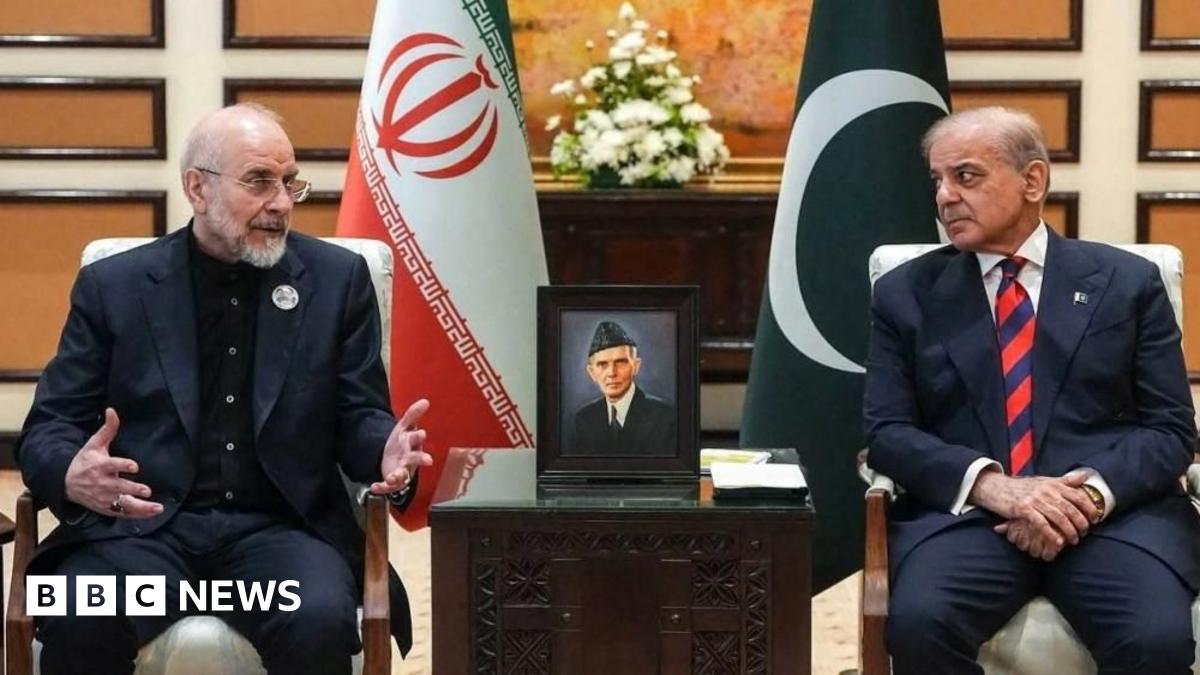
The US demanded that Iran immediately reopen the strait and give up its nuclear ambitions.
The two-week ceasefire's future was uncertain.
The talks marked the first direct engagement at this level since 2015.
More on Iran

Iran's IRGC Navy Threatens Deadly Response to US Naval Blockade in Strait of Hormuz
24 sources compared

US-Iran Talks Fail After 21 Hours as Tehran Rejects Washington's Demands
65 sources compared

US-Iran Talks in Islamabad End Without Agreement After 21 Hours
55 sources compared

US-Iran Talks Fail Over Strait of Hormuz, Uranium, and Frozen Funds
22 sources compared