Ukraine War26 February, 20262 min read
U.S., Iran Resume Geneva Nuclear Talks; Adviser to Iran's Supreme Leader Says 'Immediate Agreement' Possible
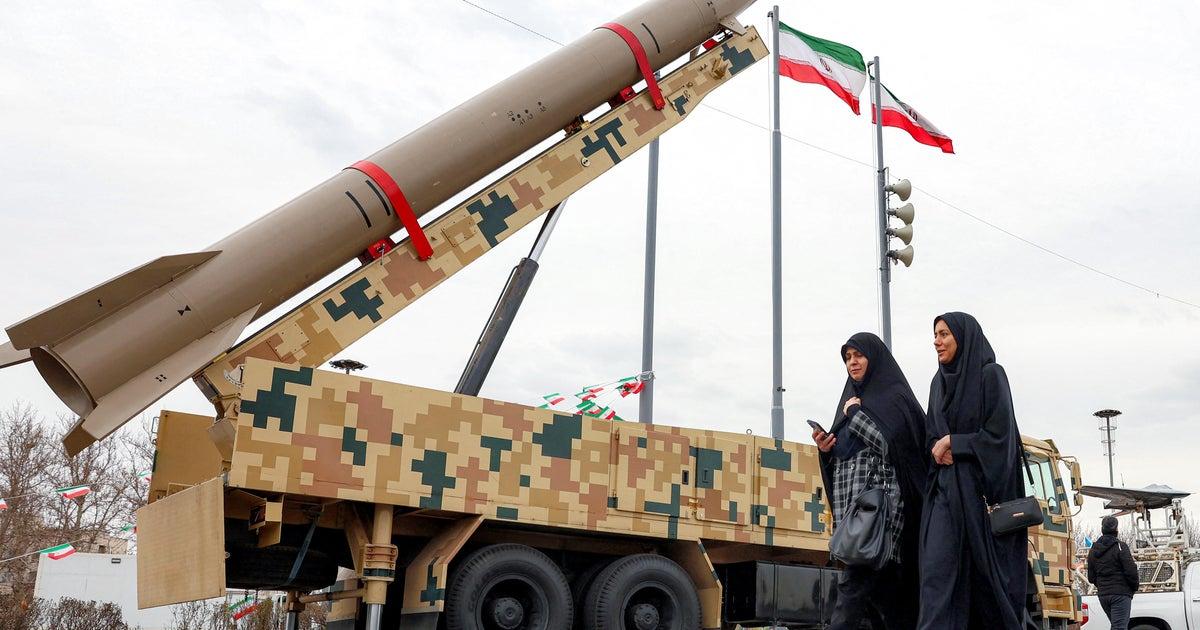
Third round of indirect U.S.–Iran nuclear talks in Geneva, Feb. 26, 2026, mediated by Oman. Iran’s delegation was led by Foreign Minister Abbas Araghchi, including Majid Takht‑Ravanchi and experts.
29 outlets told this the same way.
Outlets did split on Russian Attack Kills At Least 33 On Two Buses In Kramatorsk →
Geneva U.S.–Iran talks
U.S. and Iranian envoys resumed a third round of indirect, Oman-mediated talks in Geneva on Feb. 26, 2026.
“U.S. and Ukrainian officials began bilateral talks Thursday in Geneva, a week after trilateral negotiations there with Russia, as efforts continue to end the war now in its fifth year. Ukraine’s chief negotiator Rustem Umerov said the U.S. delegation includes Steve Witkoff and Jared Kushner, and Ukraine’s team features lawmaker Davyd Arakhamia, Economy Minister Oleksii Sobolev and Deputy Economy Minister Daryna Marchak.”
Both sides exchanged proposals and planned to reconvene later the same day.

Multiple outlets report U.S. envoys included Steve Witkoff and Jared Kushner while Iran’s delegation was led by Foreign Minister Abbas Araghchi.
The meeting took place at Omani premises and involved Omani mediators and, in some reports, IAEA participation.
Sources describe the exchanges as substantive but inconclusive.
Talks were framed as an effort to avert direct military confrontation even as regional tensions remain high.
Iran's Geneva draft proposal
Iran sent a formal draft proposal to Washington via Omani mediators ahead of the Geneva session, which Iranian state media called a practical test of U.S. diplomatic intent. Iranian Foreign Minister Abbas Araghchi reportedly arrived with nuclear, legal and economic experts.
Iranian statements described the draft as building on prior principles and seeking a “fair and equitable” deal. U.S. sources described Iran’s response as containing “detailed proposals” and other “ideas”, but reporting indicates major gaps remain on enrichment levels, regional guarantees and missiles.

U.S.-Iran nuclear talks
U.S. negotiators, according to reporting, pressed specifically for limits on uranium enrichment and long-term verification measures. Some outlets report negotiators sought non-expiring terms and the dismantling or handover of material from sensitive sites.
“In indirect talks in Geneva on Thursday, U.S. negotiators pressed for limits on Iran’s uranium enrichment and long-term verification of its nuclear program, a source told CNN.”
Analysts and Western outlets warned that a comprehensive diplomatic settlement remains unlikely without significant Iranian concessions. Several sources cautioned that Washington's military buildup in the region and threats of strikes increase the danger of miscalculation.
Media framing of Geneva talks
Coverage of the Geneva meetings varies by outlet and region. Some reports foreground the diplomatic mechanics and economic 'prosperity' angle tied to U.S.–Ukraine talks happening in Geneva the same week, while others emphasise dispute-level details or political messaging.
For example, Anadolu, CGTN and LBCI highlight that U.S. envoys in Geneva were also involved in Ukrainian 'prosperity package' talks. Sky News, ISW reporting and Western outlets scrutinise Russian manoeuvring and messaging around the Geneva venue, illustrating how the same meetings are folded into different narratives.

Headline claim verification
The question posed in your headline — that an adviser to Iran’s Supreme Leader said an 'immediate agreement' is possible — does not appear in the supplied source excerpts. Across the provided reporting, Iran’s statements quoted Foreign Minister Abbas Araghchi speaking of a 'fair and equitable' deal, and state media described a draft as a test of U.S. intentions.
“Araghchi said Iran seeks a ‘fair and equitable’ deal quickly and that the new round will build on principles from earlier Muscat and Geneva meetings.”
Analysts and Western outlets warned that a deal looks unlikely without major concessions. Because none of the provided snippets attribute an 'immediate agreement' claim to an adviser to the Supreme Leader, that specific assertion cannot be validated from these sources.