Iran17 February, 20262 min read
US, Iran Resume High-Stakes Nuclear Talks in Geneva
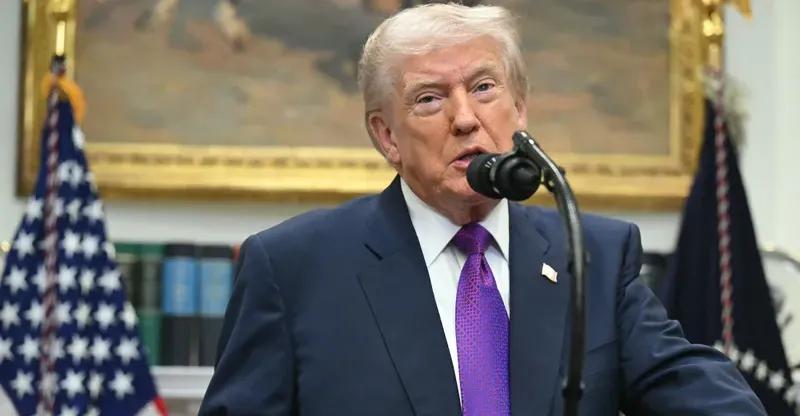
President Trump said he will be 'indirectly' involved in the Geneva negotiations Oman-mediated second round of indirect U.S.–Iran nuclear talks convened in Geneva
70 outlets told this the same way.
Oman-mediated nuclear talks
A second round of Oman-mediated, indirect U.S.–Iran nuclear talks opened in Geneva on Feb. 17.
“A second round of Oman‑mediated talks opens in Geneva Tuesday to discuss Iran’s nuclear activities and the possible easing of U.S. economic sanctions, with Washington also intending to press Iran over its missile stockpile.”
They brought Iran’s deputy foreign minister Abbas Araghchi together with U.S. envoys including special envoy Steve Witkoff and reported participant Jared Kushner.

The sessions, convened at the Omani embassy, were framed by participants as focused on nuclear limits and sanctions relief.
They included technical consultations with IAEA chief Rafael Grossi as the agency pressed Iran for answers about damaged sites.
The opening was described across multiple outlets as a test of whether diplomacy can bridge deep mutual mistrust after last year’s military strikes and the collapse of earlier rounds of talks.
Enriched uranium and inspections
The core technical impasse reported across outlets concerned Iran’s enriched‑uranium stocks and the IAEA’s demand for answers and access. Multiple sources cite the IAEA pressing Tehran to account for roughly 400–440 kg of highly enriched uranium and to restore inspections at sites hit in the June strikes.
That inventory and on‑site access were described as a major outstanding issue shaping negotiators’ leverage. Alongside uranium, Washington sought to widen the agenda to include ballistic missiles and regional proxy activity, a demand Tehran repeatedly rejected by saying non‑nuclear defensive capabilities were off the table.
U.S.-Iran military signalling
Diplomacy has been accompanied by a visible U.S. military posture that several outlets say is intended both to pressure Tehran and preserve military options.
“U.S. forces — including the carrier USS Abraham Lincoln, other ships and aircraft (and possibly the USS Gerald R. Ford en route) — have been positioned near Iran, and Iran responded with an IRGC maritime drill in the Strait of Hormuz.”
Reporting details include the carrier USS Abraham Lincoln in the region, the USS Gerald R. Ford described as en route, repositioned tankers and fighters, and additional air‑defence and strike capabilities.
Outlets frame that coverage variously as deterrence, brinkmanship or prudence.
Iran responded with IRGC maritime drills in the Strait of Hormuz and threats to close the waterway if attacked.
These moves underscore how military signalling and negotiations were unfolding in parallel.
Iran nuclear talks update
Several outlets reported Tehran signalled conditional flexibility on enrichment in return for sanctions relief. Reports said Iran offered or considered significant cuts to its highly enriched uranium stockpile or temporary pauses in enrichment if sanctions were lifted.
Iranian negotiators emphasised a “fair and equitable” deal and warned against threats. Multiple sources said major gaps remain on missiles, inspections and irreversible steps, leaving the outcome uncertain.

Negotiation dynamics and risks
Analysts and reporters emphasised that deep mistrust, domestic political constraints and differing negotiating styles make a breakthrough uncertain. Profiles of Iran's Abbas Araghchi highlighted a methodical, consensus-driven approach to bargaining that could slow but stabilise talks. U.S. envoys were portrayed as more personality-driven, and commentators warned that both sides face internal pressures and that military options remain on the table if diplomacy stalls.
“He favors patient, consensus-driven diplomacy—long internal consultations including with the supreme leader—and compares negotiation to chess rather than spectacle.”