Iran14 March, 20262 min read
U.S.-Israel Attacks on Iran Trigger Global Food Crisis
This article is an automated aggregation of coverage from news outlets. Our editorials offer in-depth analysis curated by the NewsCord team.
Disruptions in the Strait of Hormuz raise fertilizer prices, threatening global food prices. One-third of the world's fertilizer ingredients transit Hormuz, risking widespread agricultural disruption.

Strait Disruption
The U.S.-Israeli attacks on Iran have triggered a severe global food crisis by disrupting the Strait of Hormuz. Since the February 28 launch of Operation Epic Fury, only a handful of the 100 vessels that normally transit the strait daily have managed to pass through. Iran has reportedly laid sea mines in the narrow waterway, further threatening maritime traffic.
“Since the start of the US-Israeli campaign against Iran, only a handful of the 100 vessels that once transited the Strait of Hormuz each day have managed to pass through. Now, with Iran reportedly laying sea mines in the narrow waterway, the possibility of its closure lasting days – or even months – is no longer hypothetical.”
This closure has placed more than 100 million people at risk of humanitarian catastrophe. Roughly 70% of the food consumed in Gulf countries moves through the Strait of Hormuz. These countries would need to move approximately 191.3 million pounds of food into the region every single day to replace disrupted imports.

Fertilizer Crisis
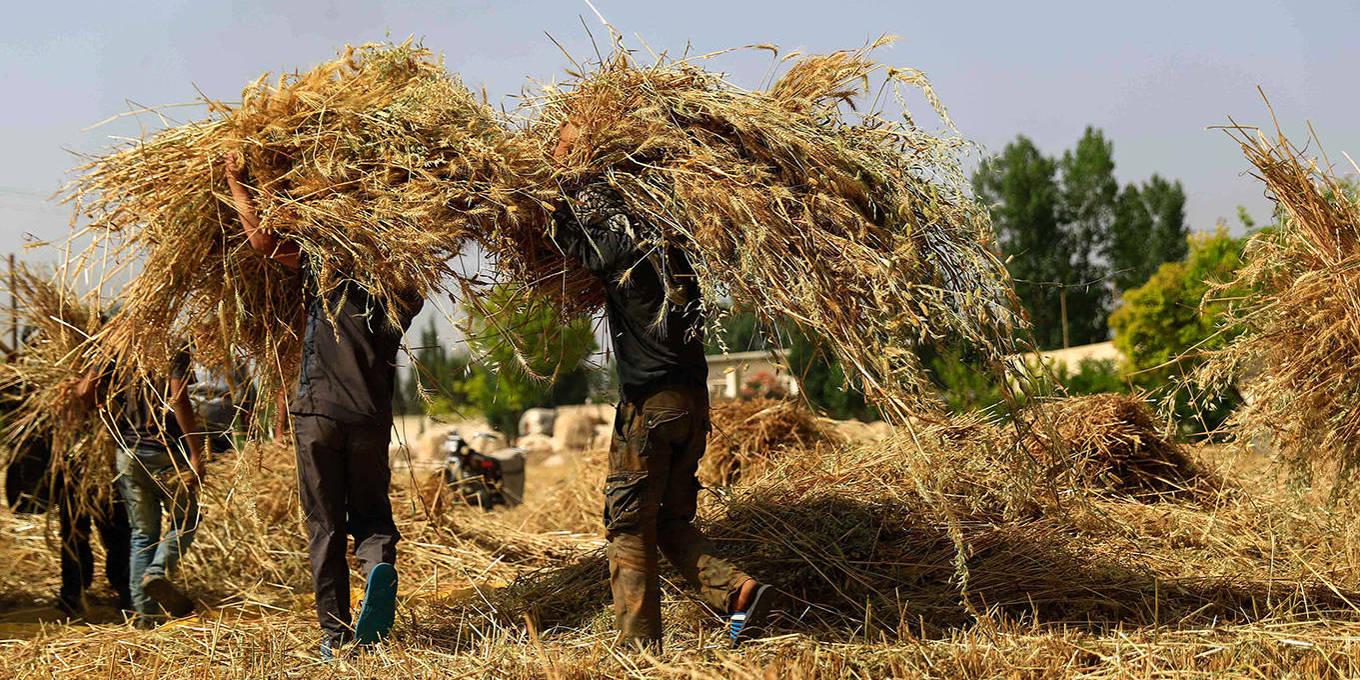
Approximately one-third of the world's fertilizer ingredients transit through the Strait of Hormuz. These essential inputs are vital for maintaining crop yields of staple foods like wheat, corn, and rice. Farmers worldwide face the prospect of using less fertilizer or planting fewer crops.
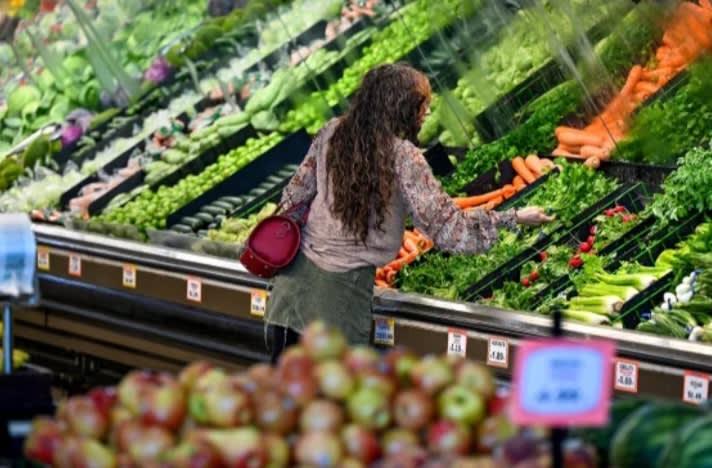
This could significantly reduce harvests and tighten global food supplies globally. Fertilizer shortages in the Middle East impact planting decisions in North America and crop yields in Asia. These ripple effects may take months to fully manifest in grocery store prices.
Energy Price Impact
Energy price surges from the conflict are creating cascading effects throughout the food production and supply chain. Brent crude jumped 21% by March 6 and surged close to $110 per barrel due to the conflict. Energy is embedded in nearly every step of the food system - from tractors to transportation to refrigeration.
“As the United States' and Israel's first week of war with Iran unfolded, crude oil prices spiked dramatically. The spot price of Brent crude jumped 21 percent by March 6 and surged close to $110 per barrel on March 9 in intraday trading before sharply declining.”
Higher oil prices increase fertilizer manufacturing costs due to reliance on natural gas and petroleum. The impact extends to packaging materials derived from petrochemicals. These rising costs squeeze farmer margins while creating market uncertainty.
Humanitarian Crisis
The humanitarian crisis is rapidly escalating with the Middle East region already managing 25 million displaced people. In Lebanon alone, UNHCR now estimates nearly 700,000 people have been displaced. Hundreds of schools and public buildings serve as 440 shelters already stretched beyond capacity.
Syrian refugees who sought safety in Lebanon are fleeing back to Syria. UNHCR reports more than thirty thousand Syrian refugee departures in the past week alone. Fears mount about potential mass displacement from Iran, where even a 10% outflow would create one of the largest refugee crises since World War II.
Policy Response
Governments and international organizations are scrambling to limit the economic fallout from the food crisis.
“The question on humanitarian workers' minds—how much worse will it get?—hinges, at least in part, on another question: will the Trump administration release the $5.5 billion that Congress recently appropriated to the WFP, UNHCR, and NGOs working to mitigate a global disaster?”
The U.S. Congress appropriated $5.5 billion for humanitarian response but the Trump administration has not released these funds.
This amount represents less than half of what the U.S. historically devoted to international humanitarian response.
UNHCR enters this crisis weakened, as the Trump administration cut 60% of U.S. funding for UNHCR last year.
Countries are seeking alternative fertilizer suppliers and adjusting trade policies.
The UN World Food Programme would need to deliver 12.5 times their current capacity to meet Gulf region food needs.