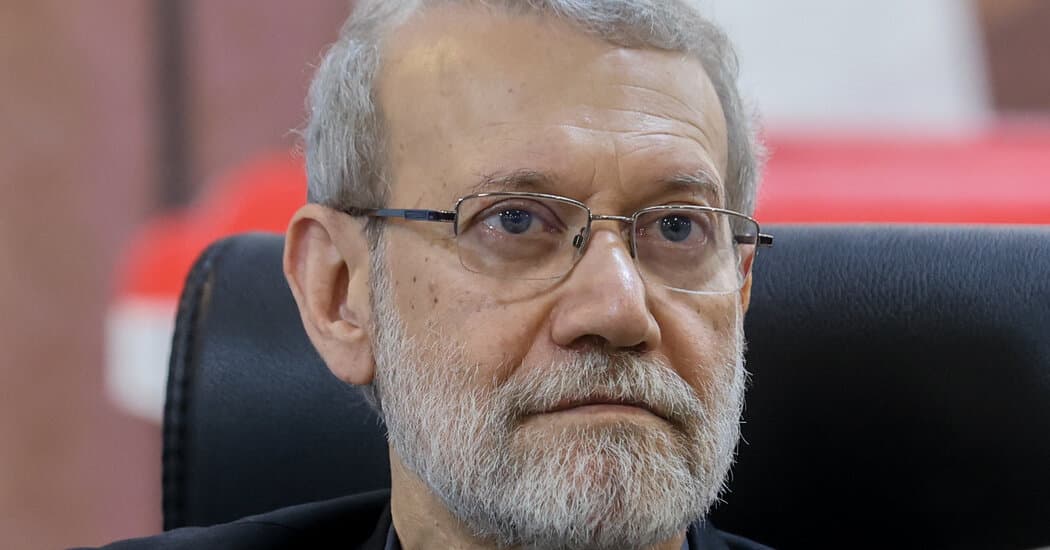
US-Israel strike allegedly kills Supreme Leader Ali Khamenei, Iranian officials dispute death claims
Key Takeaways
- Ali Larijani and Gholamreza Soleimani killed in Israeli strike, Iran confirms
- Iranian Foreign Minister Araghchi says leadership remains strong; system won't be weakened
- The attack is part of a broader US-Israel war against Iran
War Begins
The 2026 war between the United States, Israel, and Iran began on February 28 with the launch of Operation Epic Fury.
“BREAKING Iran launches more attacks on central Israel, across the Gulf regionDirector of US Counterterrorism Center Joe Kent resigns over war on IranIran confirms security chief Larijani, Basij head Soleimani killed Click to pause breaking news tickerpause-square-backgroundClose Breaking News Tickerclose Toggle Play Who was Ali Larijani, Iran’s powerful insider”
This was a joint military campaign that resulted in the assassination of Iran's Supreme Leader Ayatollah Ali Khamenei.

The operation involved nearly 900 coordinated strikes within the first 12 hours.
These strikes targeted Iranian missile systems, air defenses, military infrastructure, and senior leadership figures across multiple sites.
The explicit objectives were to prevent nuclear weapon development, dismantle ballistic missile capabilities, and advance leadership change in Iran.
This initial attack marked a dramatic escalation in regional tensions and triggered widespread Iranian retaliatory actions across the Middle East.
Larijani Assassinated
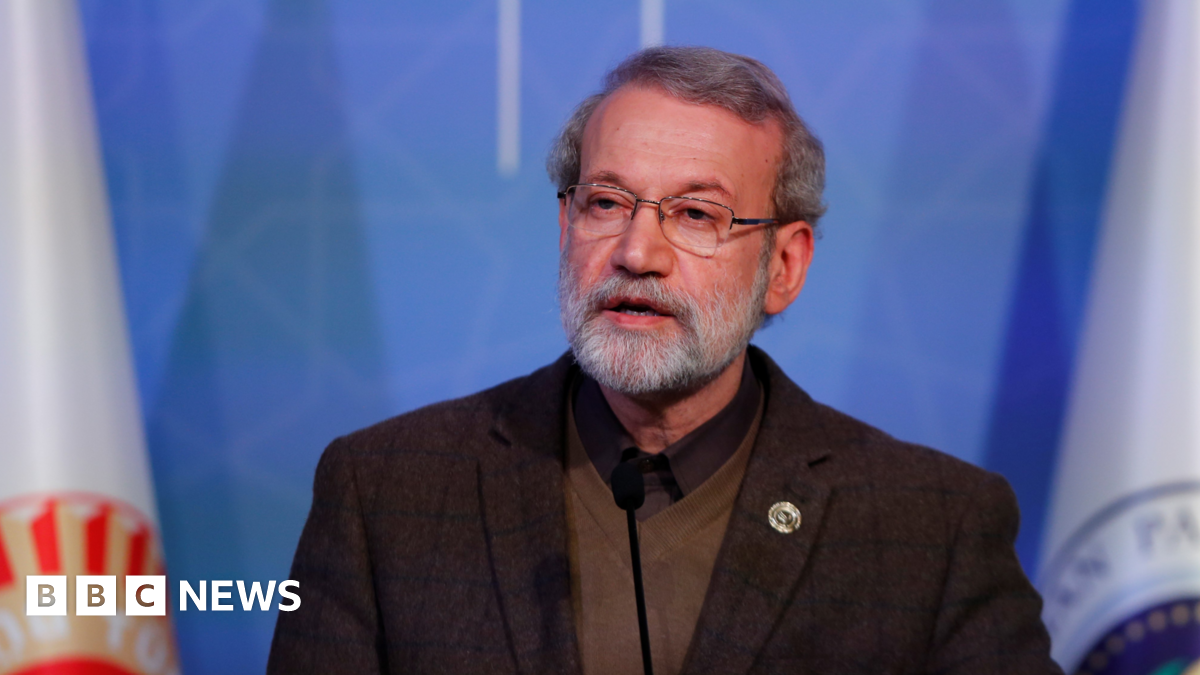
Following the assassination of Supreme Leader Khamenei, Ali Larijani became the most senior Iranian figure to be killed in the ongoing conflict.
Larijani was Iran's influential secretary of the Supreme National Security Council.
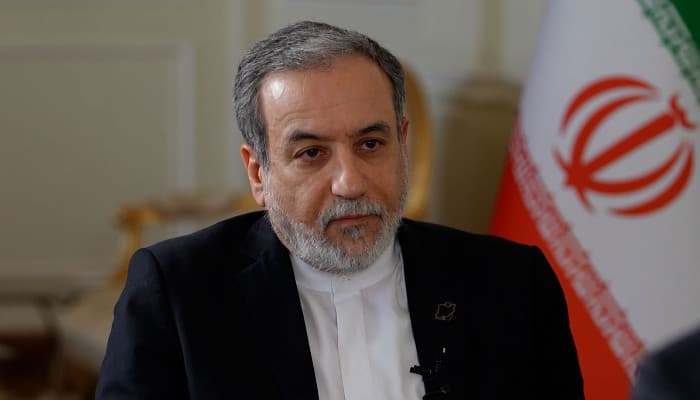
He was described as a 'moderate conservative' who had served as speaker of Iran's parliament for 12 years.
He also served as Iran's chief nuclear negotiator between 2005 and 2007.
Larijani was killed in an Israeli strike that also claimed the life of his son Morteza Larijani.
Multiple sources described his death as a 'devastating body blow' to Iran's political establishment.
Analysts noted that Larijani's ability to 'straddle so many levels of Iranian politics' and his influence with foreign states made him an even more significant loss than Khamenei.
Iranian Resilience
Iranian officials have consistently disputed Western narratives about the effectiveness of the assassinations.
“Ali Larijani, believed to be running Iran since the beginning of the war, is killed in a strike Ali Larijani, believed to be running Iran since the beginning of the war, is killed in a strike DUBAI, United Arab Emirates (AP) — Ali Larijani, a top Iranian security official and a conservative force within Iran’s theocracy, was killed in an Israeli strike, Iranian authorities confirmed Tuesday”
They emphasize the resilience of Iran's political system despite leadership losses.
Iranian Foreign Minister Abbas Araghchi stated that Larijani's killing 'will not deal a fatal blow to the nation's leadership.'
Araghchi argued that 'Iran's government does not rely on a single individual' and possesses 'a strong political structure with established political, economic, and social institutions.'
The new Supreme Leader, Ayatollah Mojtaba Khamenei, issued a strong warning following Larijani's death.
Khamenei stated that 'the bloodshed would only strengthen Iran' and vowed that 'those responsible will pay a heavy price soon.'
He described the assassinations as evidence of 'the enemy's inability to confront Iran through other means.'
Regional Impact
The conflict has triggered significant regional instability and international condemnation.
United Nations officials warned that Israel's repeated evacuation orders 'may amount to forced displacement, prohibited under international humanitarian law.'
In Lebanon alone, Israel's assault has killed at least 912 people including 111 children.
More than one million people in Lebanon - nearly one in five of the population - have been displaced.
International responses have been mixed to the ongoing conflict.
German Foreign Minister Johann Wadephul stated that 'there will be no military solution' and that 'controlled regime change' in Iran is 'not realistic.'
US intelligence assessments suggest the Iranian regime 'is not in danger' of collapse despite leadership losses.
Economic Fallout
The economic consequences of the widening conflict have been severe.
Iran initiated disruptions in the strategically vital Strait of Hormuz, shutting down this critical chokepoint for global energy supplies.

The war has produced over 2,000 reported deaths across Iran, Israel, and Lebanon.
There have been sharp increases in oil prices and interruptions to international shipping.
These economic disruptions have prompted releases from strategic petroleum reserves to stabilize markets.
Concerns about prolonged energy crisis continue despite these measures.
The conflict has expanded to include attacks on Saudi Arabian territory, with explosions heard in Riyadh.
More on Iran

Israel strikes Iran's Pars gas field as Tehran vows revenge
14 sources compared
Trump threatens to blow up South Pars gas field if Iran attacks Qatar again
10 sources compared
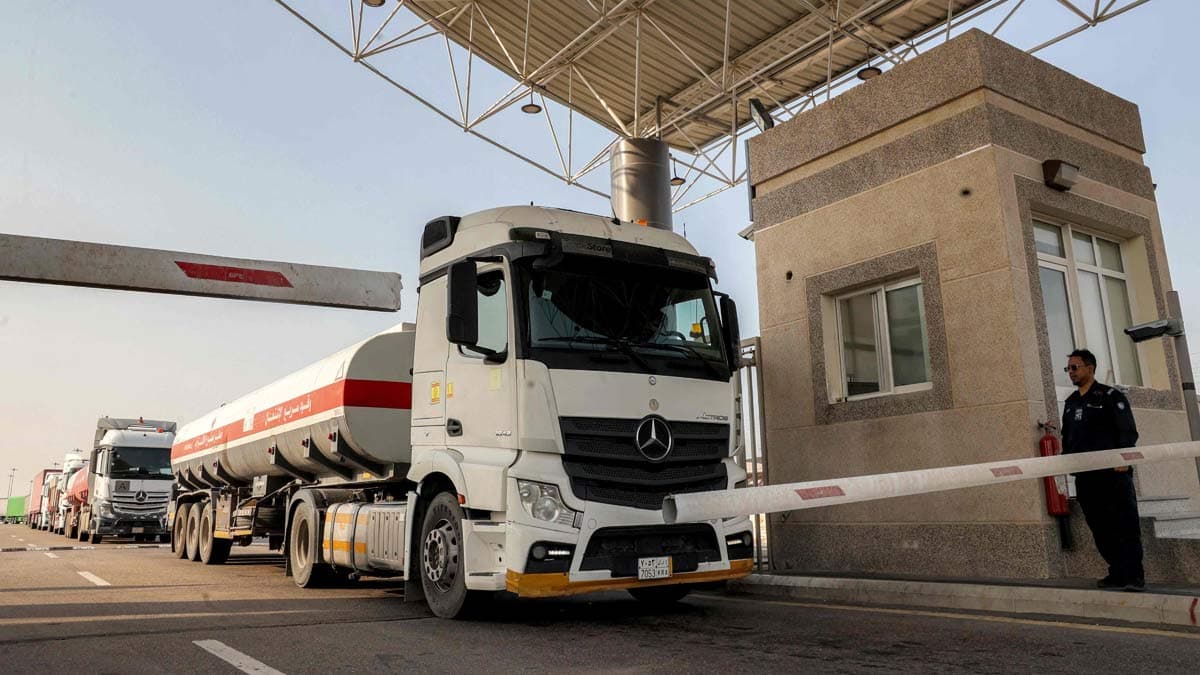
UAE Halts Habshan Gas Facility Operations After Debris From Intercepted Missiles
10 sources compared

Iran Threatens Gulf Energy Facilities After Israel Strikes South Pars Gas Field
11 sources compared