
US, Israel Strike Over 15,000 Iranian Targets, Defense Secretary Pete Hegseth Says
Key Takeaways
- U.S. and Israeli strikes hit over 15,000 Iranian targets since operations began
- Hegseth said Iran’s air defenses, air force, and navy have been eliminated
- Hegseth claimed Iran’s new supreme leader is likely disfigured and hiding underground
Scale of strikes
U.S. Defense Secretary Pete Hegseth announced that U.S. and Israeli forces have struck over 15,000 Iranian targets since the start of the war, describing the campaign as averaging “well over 1,000 a day” and calling this the heaviest volume of strikes to date.
Hegseth framed the operations as a joint air campaign that has been intensifying, with him repeating the figure at a Pentagon news conference and in statements widely reported by international outlets.
Damage to Iran's forces
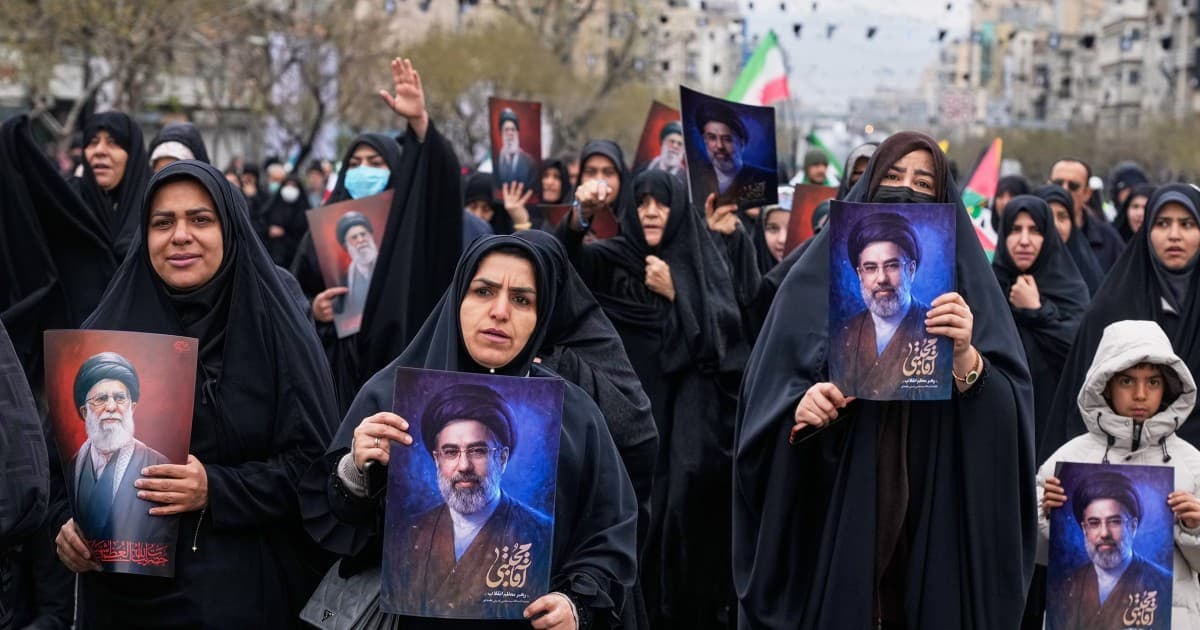
Hegseth and other U.S. officials portrayed the strikes as severely degrading Iran’s military capabilities, claiming dramatic reductions in missile and drone capacity and asserting Tehran “has no air defenses” and little remaining combat power.
Officials at the Pentagon said missile volume was down about 90% and drones down about 95%, and they described ongoing efforts to target Iran’s missile launchers, industrial sites and mine-laying capabilities in the Strait of Hormuz.

Civilian and U.S. casualties
The campaign has produced deadly incidents on multiple fronts: the U.S. acknowledged a missile or airstrike that hit an Iranian elementary school in the opening hours of the war and said more than 165 people, many of them children, were killed;
“Associated PressAssociated Press Leave your feedback Defense Secretary Pete Hegseth said Friday that Iran's missile volume is down 90%, while their drones are down 95%”
separately, a KC-135 refueling aircraft supporting operations crashed in Iraq, killing six U.S. airmen and bringing U.S. military fatalities in the conflict to 13, officials said.
U.S. leaders said investigations are underway and that not all losses were due to hostile fire.
Leadership reports and uncertainty
Hegseth and some U.S. outlets publicly asserted that Iran’s new Supreme Leader, Mojtaba Khamenei, has been wounded and “likely disfigured,” but reporting also shows ongoing uncertainty and contradictory signs about the leadership’s visibility.
Hegseth repeated the claim about the leader’s condition at the Pentagon, while other reporting noted that Iran's leadership—senior officials including the president and foreign minister—appeared at a mass gathering and the new leader issued a written statement, with Iranian officials confirming he is wounded but providing limited detail.

Objectives and messaging
U.S. officials framed the strikes as part of broader goals—denying Iran nuclear weapons, degrading industrial capacity, and protecting maritime routes—while promising investigations into civilian deaths;
“Hegseth says 15,000 Iranian targets hit as US campaign intensifies (TNND) — Defense Secretary Pete Hegseth said Friday that U”
at the same time, outside reporting highlights the political messaging around the campaign, including claims that the U.S. is "decimating" the regime and statements from U.S. leaders about limiting prolonged ground involvement.
Sources differ on tone and emphasis, with government spokespeople stressing operational achievements and some outlets noting continuing hazards to shipping and remaining Iranian capabilities.
More on Iran
Oil Prices Climb as Iran Proposes Reopening Strait of Hormuz With U.S. Nuclear Talks Deferred
13 sources compared

Sir Christian Turner Says U.S. Only Special Relationship Is Probably Israel
14 sources compared

U.S. Intelligence Agencies Assess How Iran Would Respond If Trump Declares Victory
13 sources compared
Trump Administration Rejects Iran Proposal To End War, Reopen Strait of Hormuz Without Nuclear Program
11 sources compared