Iran-Israel09 March, 20263 min read
US, Israel Weigh Special Forces Raid to Seize Iran's Enriched Uranium Stockpile
This article is an automated aggregation of coverage from news outlets. Our editorials offer in-depth analysis curated by the NewsCord team.
U.S. and Israel have discussed deploying special forces into Iran to seize nuclear material Iran's roughly 450 kg of 60%-enriched uranium could be weaponized within weeks

Plans to seize Iran uranium
Multiple media reports say U.S. and Israeli officials have discussed a high-risk special-operations option to seize or secure Iran's stockpile of highly enriched uranium, estimated at roughly 450 kg of material enriched to about 60%. Axios frames the discussions as part of a menu of contingency plans to prevent Tehran from obtaining a nuclear weapon, noting the material "could be refined to weapons grade within weeks."
“U.S. and Israeli officials have discussed sending special forces into Iran to seize or secure its stockpile of highly enriched uranium, according to multiple sources.”
WION similarly reports Washington and Jerusalem are "weighing a high-risk special forces operation" to seize the stockpile and stresses the reporting is "under consideration, not confirmed." Anadolu Ajansı also relays that the aim would be to stop Iran from getting a bomb and cites the same estimate of "roughly 450 kg of uranium enriched to about 60%."
Options for uranium removal
Reporting describes two main operational approaches under discussion: inserting special-operations teams to physically remove the material, or bringing in technical teams (potentially including IAEA personnel) to neutralize or dilute the uranium on site. News.cgtn summarises Axios’s account that teams would 'either remove the material or host outside experts (possibly including IAEA personnel) to dilute it on site.' Anadolu Ajansı echoes those options, saying planners are weighing 'removing the uranium from Iran entirely or bringing in experts to dilute the material in place.'
Axios adds that missions would likely pair 'special operators with nuclear scientists and could involve the IAEA.' Turkey-area coverage also stresses that planners see these as limited raids rather than full invasions.
Risks of raids on Iran
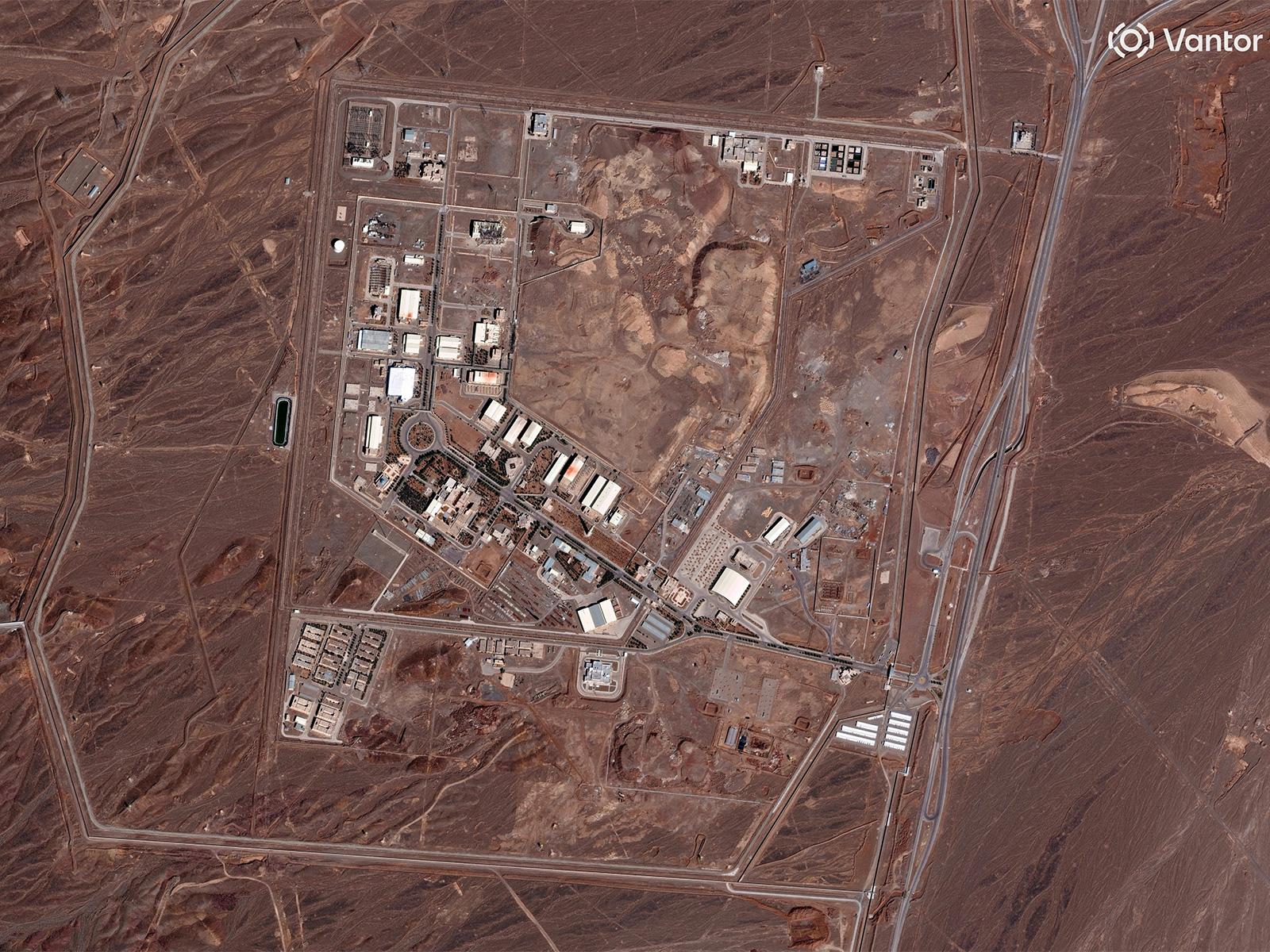
Sources emphasize significant operational risks and constraints for raids on the stockpile. They say the raids would likely require access to heavily fortified, sometimes underground sites. Axios warns such an operation 'would probably occur only after Iran’s military threat had been sufficiently degraded' and lists steep practical hurdles, including 'finding the material, getting to it, securing physical control.'
“Any operation would likely require troops on Iranian soil to access heavily fortified, sometimes underground sites and would probably occur only after Iran’s military threat had been sufficiently degraded.”
Caliber.Az echoes the caution, saying the plan 'would only be practical if Iranian armed forces no longer posed a significant threat.' Fortune notes concerns that the stockpile’s whereabouts are uncertain because it has been 'nearly nine months since U.N. atomic inspectors last verified the material’s location.'
HEU stockpile reports
Several pieces cite Isfahan as the main stockpile site, with smaller quantities at Fordow and Natanz, and estimate that about 450 kg of roughly 60% HEU could be refined to weapons grade within weeks. Türkiye Today summarises estimates that 'The Isfahan stockpile is estimated at ~450 kg of roughly 60% enriched uranium' and that 'If further enriched to 90%, that amount could yield fissile material for about 11 nuclear bombs'.
WION and Anadolu Ajansı both repeat the roughly 450 kg/60% figure and note that much of the HEU is reportedly stored underground or in tunnels, complicating access and raising the stakes for any operation. Türkiye Today also reports earlier strikes 'reportedly sealed entrances at Natanz and Isfahan and destroyed most centrifuges,' though officials say there is no evidence enrichment has resumed.

Reports on contingency planning
Reporters and officials emphasise that the planning is preliminary and politically sensitive. News.cgtn quotes a White House spokesperson saying the president keeps "all options open." Türkiye Today records President Trump as saying, "Maybe we will do it later," with press secretary Karoline Leavitt adding he "wisely keeps all options available."
“Trump said, ‘Maybe we will do it later,’ and press secretary Karoline Leavitt said he ‘wisely keeps all options available.’”
Anadolu Ajansı notes Senator Marco Rubio told a briefing "people are going to have to go and get it." Axios cautions the ultimate decision would rest with the president and relevant agencies and that the discussions were part of contingency planning rather than a confirmed mission. WION underlines the uncertainty by stressing the plan is "under consideration, not confirmed."
