US Issues 30-Day Waiver Letting Countries Buy Sanctioned Russian Oil At Sea, Aiding Putin
Key Takeaways
- US issued a 30-day waiver letting countries buy sanctioned Russian oil already at sea
- US said the waiver aims to stabilise global energy markets amid the Iran war
- European leaders and Ukraine criticised the waiver as undermining sanctions and peace efforts
Waiver mechanics
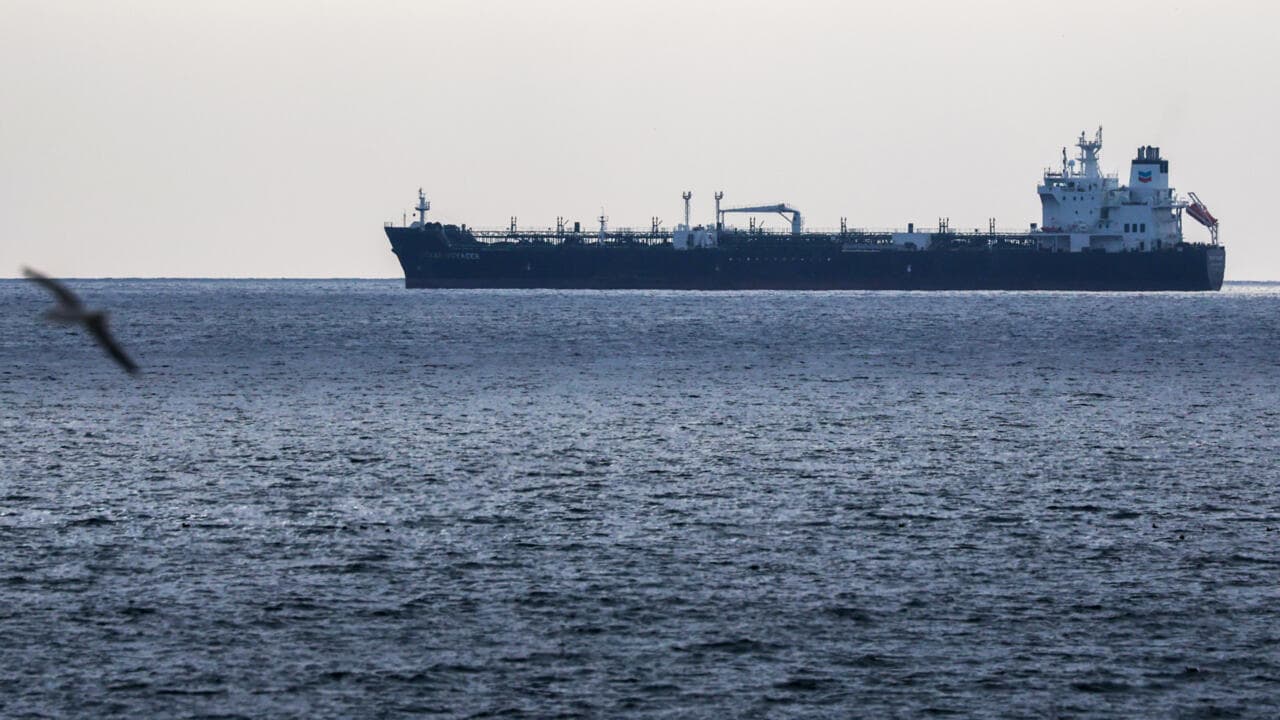
The United States on March 13 issued a 30-day waiver allowing countries to buy sanctioned Russian oil and petroleum products that are currently stranded at sea, a measure that authorises delivery and sale of cargos loaded on or before March 12 and valid through April 11.
“US easing of Russia oil sanctions draws criticism The US has loosened sanctions preventing other countries buying Russian oil and petroleum already loaded on vessels at sea to try to ease the energy supply crunch sparked by the US-Israel war with Iran”
The waiver was described as a temporary licence covering shipments already at sea rather than a reopening of Russia’s export channels.

US officials framed the move as limited in time and scope, explicitly targeting vessels already loaded before the cutoff date.
Stated rationale
Washington presented the waiver as a market-stabilising step aimed at calming global energy markets disrupted by the war in the Middle East and Iran’s blockage of the Strait of Hormuz, and Treasury Secretary Scott Bessent said the move was intended to stabilise markets rather than hand a windfall to Moscow.
US officials also cited concern that surging oil prices would harm American businesses and consumers ahead of domestic elections, framing the action in part as a response to near-term economic and political pressures.
Allied criticism
European leaders, Ukraine and opposition figures criticised the waiver as undermining pressure on Russia and sending the wrong signal to allies, with German officials saying easing sanctions was the wrong move and multiple G7 members expressing dissent.
“Published by Global Banking & Finance Review® Posted on March 13, 2026 4 min readLast updated: March 13, 2026 Published by Global Banking & Finance Review® Posted on March 13, 2026 4 min readLast updated: March 13, 2026 The US issued a 30-day waiver (generally through April 4–11) allowing India to buy Russian oil already stranded at sea to ease supply pressures stemming from the Iran war, drawing sharp criticism from Germany and other European allies”
British and European voices urged continued pressure on Russia’s finances, warning that even a short-term concession could weaken collective leverage and harm broader peace and sanctions efforts.
Scale and impact
Analysts and Russian officials gave differing estimates of how many barrels were affected and what that would mean for Moscow’s revenues: Russia’s presidential envoy Kirill Dmitriev suggested about 100 million barrels would be covered, while Kpler estimated as much as 120 million barrels at sea — figures that commentators said represent a meaningful but time-limited pool of crude.
At the same time, market analysts warned the waiver was unlikely to create significant new demand since many cargos were reportedly already earmarked for Asian buyers, particularly India, meaning the measure mainly allows existing shipments to discharge.
Politics and optics
Beyond market effects, critics pointed to political optics and timing: reporting tied the sanctions relief to recent contacts between US and Russian figures, including a call between Trump and Putin and a visit to the US by Dmitriev, and some opponents argued the waiver risked being perceived as a concession to Moscow even if US officials insisted financial gains for Russia would be limited.
“US easing of Russia oil sanctions draws criticism The US has loosened sanctions preventing other countries buying Russian oil and petroleum already loaded on vessels at sea to try to ease the energy supply crunch sparked by the US-Israel war with Iran”
The administration emphasised the waiver’s short, technical nature and Treasury characterised it as unlikely to provide a significant financial benefit to Russia, but sceptics in Europe and Ukraine remained unconvinced.
More on Russia

U.S. Lifts Russian Oil Sanctions; Antonio Costa Says Move Fuels Putin’s War
87 sources compared
UK Government Boycotts Opening Ceremony After IPC Allows Russian, Belarusian Flags
13 sources compared
Ukrainian Forces Halt Russian Advance Toward Zaporizhzhia; HUR Claims 300 Russian Casualties
12 sources compared

Russia Kills at Least 10 in Kharkiv Apartment Missile Strike, Including Two Children
19 sources compared