USA31 October, 20252 min read
US Judges Force Trump Administration to Continue Food Aid Amid Government Shutdown
Two federal judges ordered the Trump administration to continue SNAP benefits during shutdown. The shutdown threatens food aid for 42 million low-income Americans starting November 1.

49 outlets told this the same way.
Outlets did split on Trump Interrupted by Protesters at San Antonio Rally for Ken Paxton →
US Food Aid Court Rulings
Two US federal judges moved to protect food aid during the shutdown by blocking the Trump administration’s attempt to suspend the Supplemental Nutrition Assistance Program (SNAP). They ordered continued payments that reach roughly 42 million low-income Americans. An Asian news outlet reported that the courts directed the government to use contingency resources to avoid "irreparable harm."
“Two US federal judges have ruled that the Trump administration cannot suspend the Supplemental Nutrition Assistance Program (SNAP) during the ongoing government shutdown, ensuring continued food aid for about 42 million low-income Americans.”
Some Western mainstream outlets described the legal action as pending or partial. Lawsuits filed by states and advocacy groups prompted the emergency court fight as the shutdown, which began on October 1, continued without a funding agreement.

Court Orders on SNAP Funding
The court directives focus on using emergency funds to maintain SNAP benefits. An Asian source reports that judges ordered the use of a $6 billion reserve and a $23 billion Agricultural Adjustment Act fund. Western Mainstream coverage emphasizes the USDA's claim that it lacks sufficient money and warned that benefits would stop on November 1.
West Asian coverage notes that states and nonprofits filed lawsuits to compel the use of contingency funds. Another outlet cites a nonprofit lawsuit advocating for a separate $5 billion emergency fund, highlighting disputes over which funds are legally accessible.

Political Dispute Over Shutdown
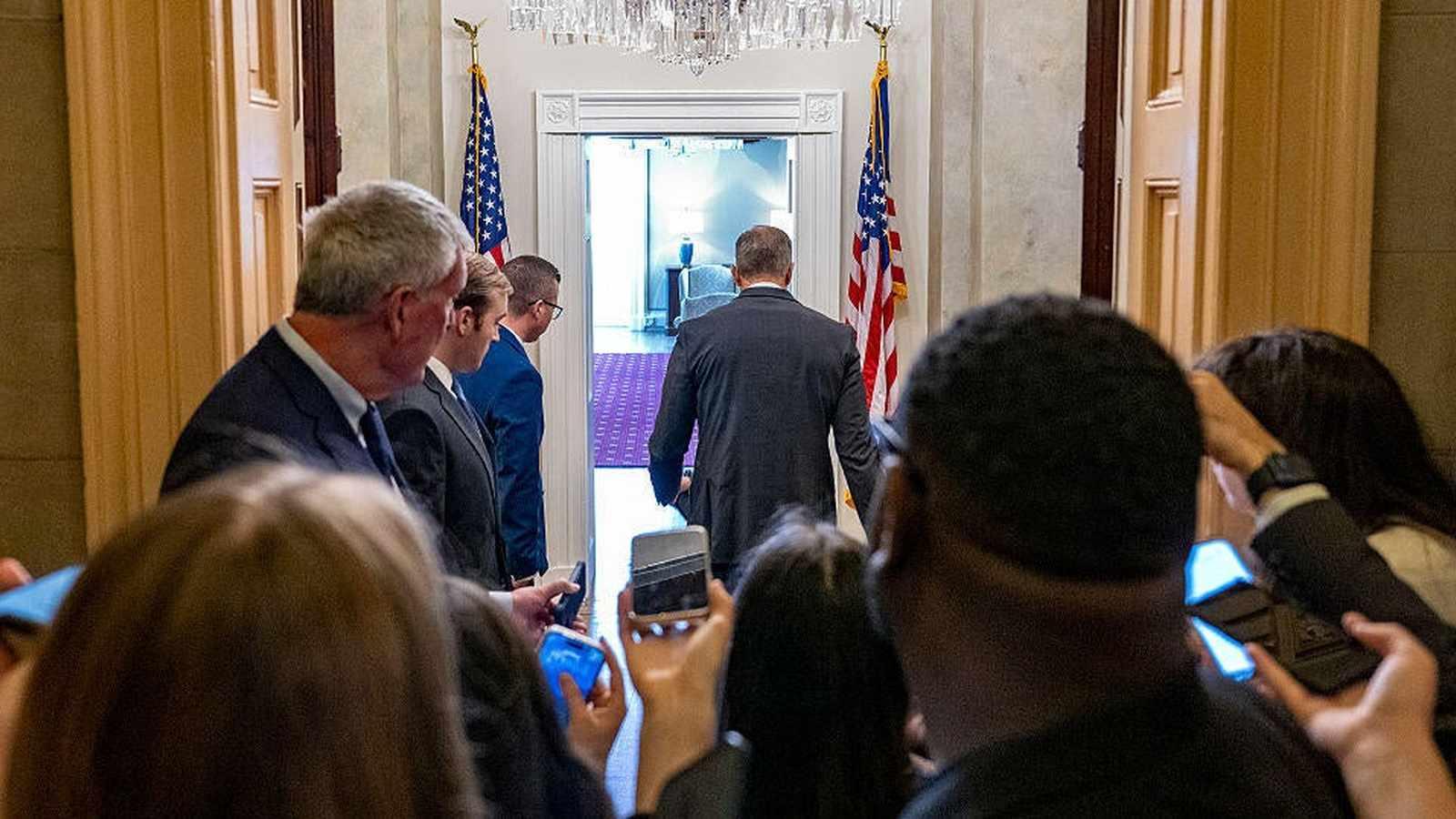
Politics around the shutdown intensified as Trump urged Senate Republicans to use the 'nuclear option' to end the stalemate, while GOP leaders resisted. West Asian and Western mainstream outlets agree on Trump’s push, but diverge on who is to blame and what is prioritized.
“Former President Donald Trump urged Senate Republicans to eliminate the filibuster using the ‘Nuclear Option’ to end the ongoing federal government shutdown.”
Several reports say the White House guaranteed military pay while refusing or withholding food-aid funding. Some Western mainstream coverage highlights Democrats’ use of the filibuster and nationwide disruptions including SNAP cuts.
Impact of SNAP Benefit Disruptions
The stakes are high for households and the broader economy. Western mainstream and alternative outlets warned of a potential shock to grocers and workers if SNAP stopped.
Multiple reports flagged flight delays, missed paychecks, and rising health insurance costs. Coverage also emphasized the scale—about 42 million people rely on SNAP—and the risk of escalating hunger if benefits lapse during the shutdown.
SNAP Benefits Legal Updates
Reporting diverges on the timing and certainty of SNAP continuation. One Asian source says judges have already ordered SNAP to continue. Western mainstream accounts describe an imminent or partial ruling.
“Two US federal judges have ruled that the Trump administration cannot suspend the Supplemental Nutrition Assistance Program (SNAP) during the ongoing government shutdown... [and] ordered the government to use emergency contingency funds... to continue SNAP payments.”
They warn that benefits could stop on November 1 without action. This ambiguity reflects fast-moving litigation.
Some outlets stress the court-ordered lifeline. Others highlight USDA shortfalls and the risk of benefit lapses until a final order is issued or funds are released.