Crime05 February, 20262 min read
U.S. Justice Department Withdraws Epstein Files After Unredacted Release Exposes Nude Photos and SSNs of Nearly 100 Victims
This article is an automated aggregation of coverage from news outlets. Our editorials offer in-depth analysis curated by the NewsCord team.
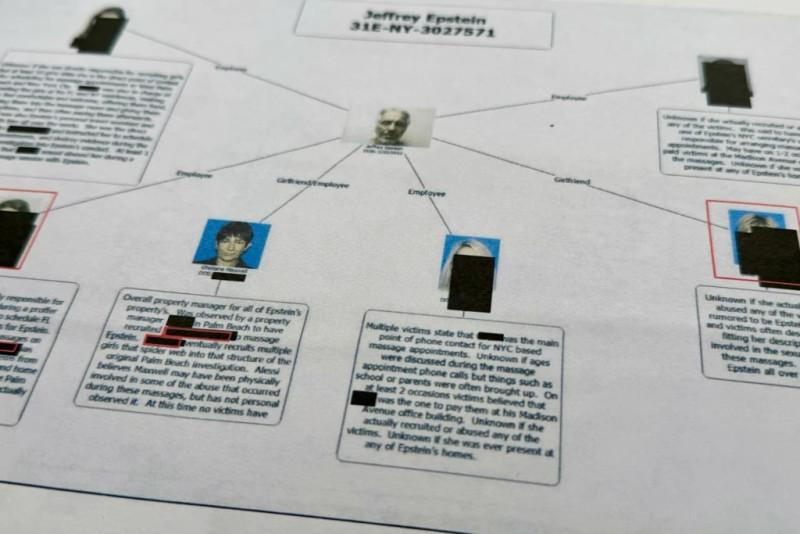
Unredacted Justice Department files included victims’ nude photos and names visible to the public Documents exposed victims’ sensitive personal data, including bank account details and full Social Security numbers
7 outlets told this the same way.
DOJ redaction failure
The U.S. Department of Justice withdrew thousands of Jeffrey Epstein–related documents after a redaction failure left sensitive material exposed online for hours.
“The US Department of Justice withdrew thousands of Jeffrey Epstein–related documents after a redaction error left nude images and personal details of nearly 100 victims exposed.”
Exposed material included nude photos, names, Social Security numbers and other personal details, officials say.

The agency pulled a "substantial number" of files and reissued properly redacted versions.
The disclosure was part of a large, court-mandated release of records tied to Epstein and Ghislaine Maxwell’s cases.
Reporters, including the Associated Press, found multiple instances of victims' names, explicit images and other identifiers in the publicly accessible files.
Critics say the errors exposed nearly 100 victims and constituted a severe breach of survivors' privacy and safety.
Confidential records disclosure fallout
Victims, survivors and their attorneys expressed alarm and called for immediate remedies, saying the disclosure endangered people and violated promises of confidentiality. Lawyers called the disclosure life-threatening, and at least one survivor reported receiving death threats in court filings.
Accusers such as Annie Farmer described the release as beyond careless, saying the documents revealed her date of birth and phone number. Attorneys and advocates demanded removal of the online database and an independent monitor to oversee a new review, and some lawyers signaled possible further legal action over harm described as permanent and irreparable.

Justice Department redactions
The Justice Department attributed the redaction failures to a combination of technical and human errors, tight timelines imposed by a November 19 presidential mandate, and the logistical strain of reviewing millions of pages. Officials said hundreds of lawyers were reassigned from other matters to meet the court-ordered deadline, and the compressed schedule contributed to missed redactions and disrupted other cases. The Justice Department has removed many problematic files and said it will reissue properly redacted documents, while courts and reporters continue to scrutinize the scope of the errors.
“The disclosures stem from a mandate signed by President Trump on November 19 that gave DOJ 30 days to publish records; reviewers faced a compressed timeline and hundreds of lawyers were pulled from other duties to complete redactions, which DOJ missed and which judges said disrupted other cases.”
Epstein materials release coverage
Even after the initial withdrawal, some problematic material reportedly remained accessible, and advocates urged broader oversight including appointing an independent monitor. The Associated Press and other outlets documented uncensored images showing full faces and bodies that persisted in the online cache, and lawyers won a temporary pause to a planned hearing after officials reported progress. Some coverage also notes the scale of the public release as the largest in the long-running Epstein investigations, while other provided materials (like a separate site's contributor list) were noticeably off-topic or unavailable for summary, underscoring variation in reporting and editorial focus across outlets.