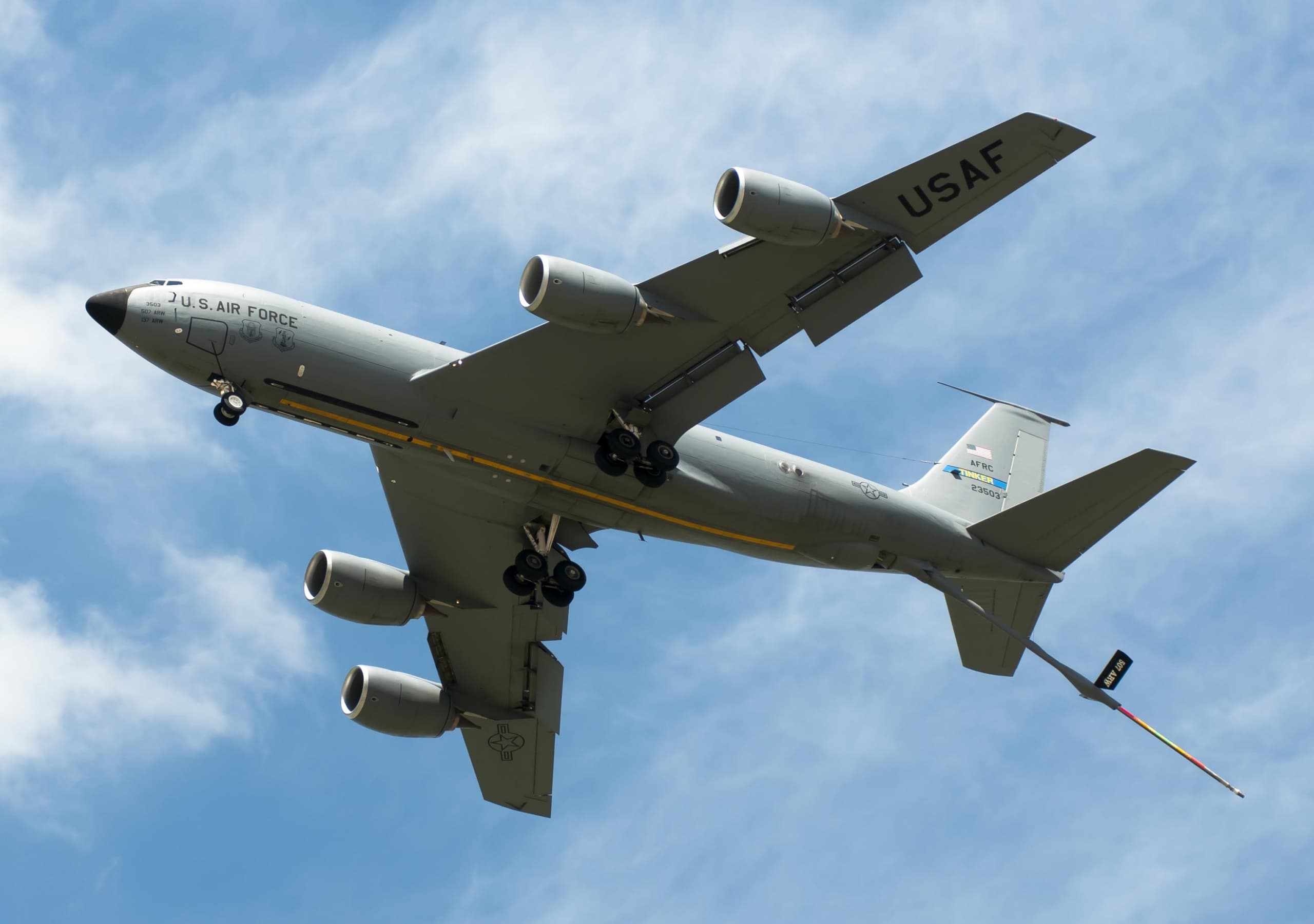
U.S. KC-135 Refueling Plane Crashes in Iraq, Killing Six Crew
Key Takeaways
- Initial reports varied, with some outlets reporting four dead and others confirming six
- Crash involved two KC-135 tankers; the second aircraft landed safely
- CENTCOM said the crash was not caused by hostile or friendly fire; investigation ongoing
Crash and casualties
U.S. Central Command (CENTCOM) announced that a U.S. Air Force KC-135 Stratotanker crashed in western Iraq on March 12 while supporting Operation Epic Fury, and that all six crew members aboard the downed aircraft have been confirmed dead.
“Even so, the KC-135 remains the backbone of US aerial refuelling operations and is expected to remain in service for many years”
CENTCOM said the incident followed an unspecified event involving two aircraft and that a second tanker involved in the incident landed safely.
Multiple outlets reported the deaths and the CENTCOM statements as the military carried out rescue and investigative efforts.
Investigation and signs
CENTCOM and U.S. officials said the loss of the aircraft was under investigation and repeatedly stated it was “not due to hostile or friendly fire.”
Open-source tracking, imagery and initial analyst assessments raised the possibility of a mid-air collision.
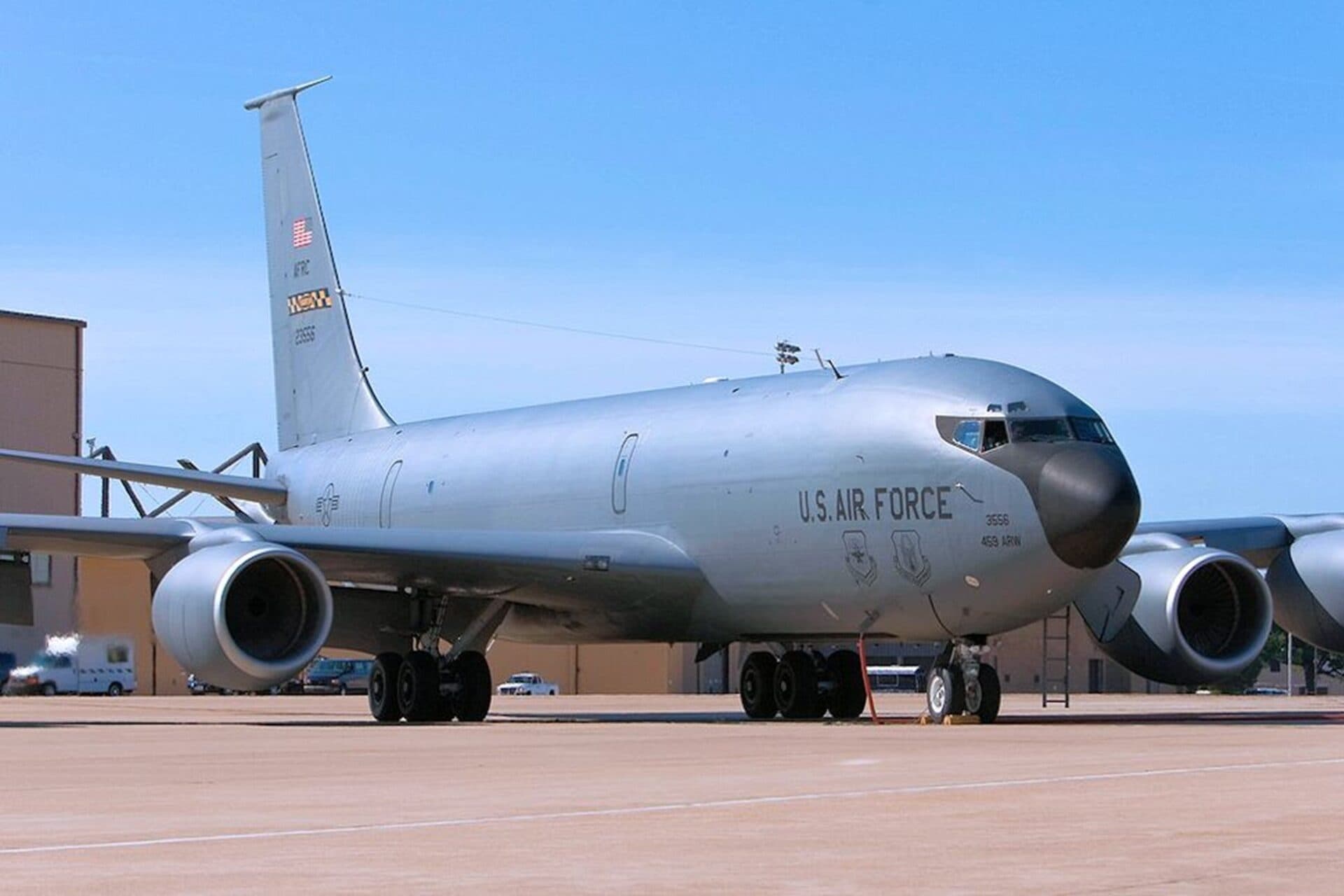
Flight-tracking data showed an emergency squawk code (7700) from a tanker that later landed, images circulated showing heavy damage to a landed tanker’s vertical stabiliser, and aviation analysts have described damage consistent with close‑proximity contact during refueling operations.
Operational context
The crash occurred amid a string of recent U.S. aircraft losses tied to Operation Epic Fury and related regional operations, and it raised questions about operational strain.
“officials told Air & Space Forces Magazine that rescue efforts were ongoing and the situation was still unclear”
CENTCOM and multiple outlets placed this loss among several recent incidents — including three F-15E fighters downed in a friendly-fire episode and numerous remotely piloted aircraft losses — and noted the cumulative impact on U.S. forces and equipment operating at high tempo across the region.
Tanker role and age
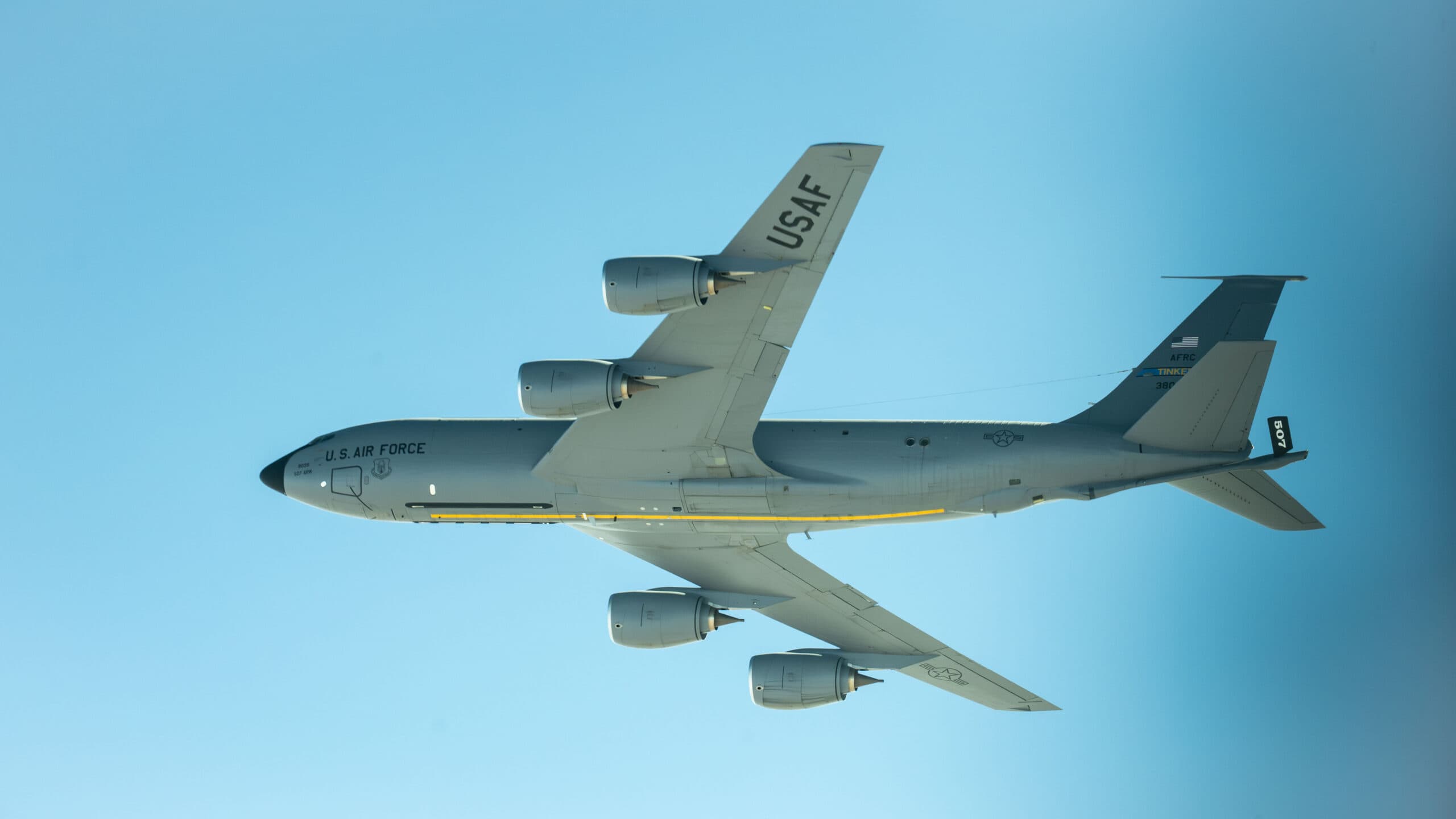
Reporting across outlets emphasised the KC-135’s role and the age and demand on the tanker fleet: the Stratotanker is a decades-old workhorse used to extend the range and endurance of fighters, bombers and support aircraft,
Analysts and officials have repeatedly noted concerns about the airframes’ age and the slow transition to newer KC-46A tankers amid heavy operational use.
Claims and contradictions
There were conflicting claims and reporting about responsibility: CENTCOM and U.S. officials maintained publicly that the loss was not caused by hostile or friendly fire and that the cause was under investigation,
“There have now been 13 U”
Iran-aligned groups and some Iranian statements asserted that allied militia forces had shot down the tanker.
Those competing claims underscore the investigative uncertainty and the politically charged environment in which the crash occurred.
More on Iran
FBI Warns of Iranian Drone Plot Based on Unverified Tip; California Says No Credible Threat
10 sources compared

White House Demands ABC Retract Report Claiming Iran Sought To Launch Drone Attacks On California
11 sources compared

Supreme Leader Mojtaba Khamenei Vows to Close Strait of Hormuz; Iran's UN Ambassador Denies It
98 sources compared

Iranian Proxy Claims It Shot Down US KC-135 in Iraq; US Denies Hostile Fire
25 sources compared