Full story
New strikes, Hormuz focus
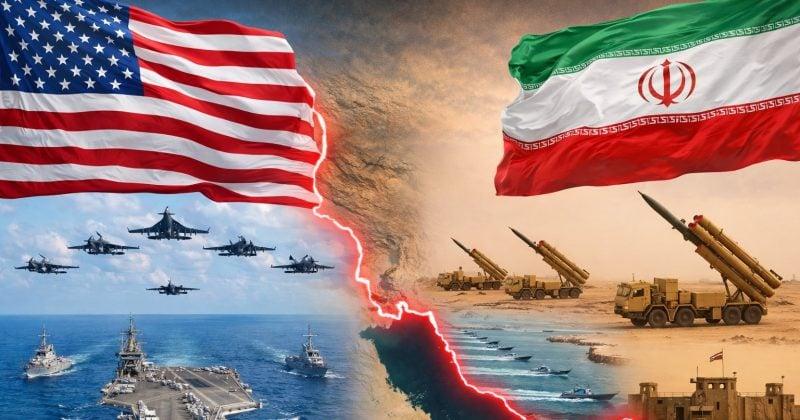
The United States launched a new round of strikes against Iran on Monday at President Donald Trump’s direction, with U.S. Central Command saying “Today at 4 p.m. ET, U.S. forces began a new round of strikes against Iran.”
CENTCOM said the strikes were designed “to further degrade Iranian military capabilities used to attack commercial shipping in the Strait of Hormuz,” as Monday marked the 10th day of U.S. military strikes in the region.

The conflict’s widening impact was reflected in the Pentagon’s injury tally, with CNN reporting “Nearly 100 US service members have suffered some level of injury, mostly minor, since July 7.”
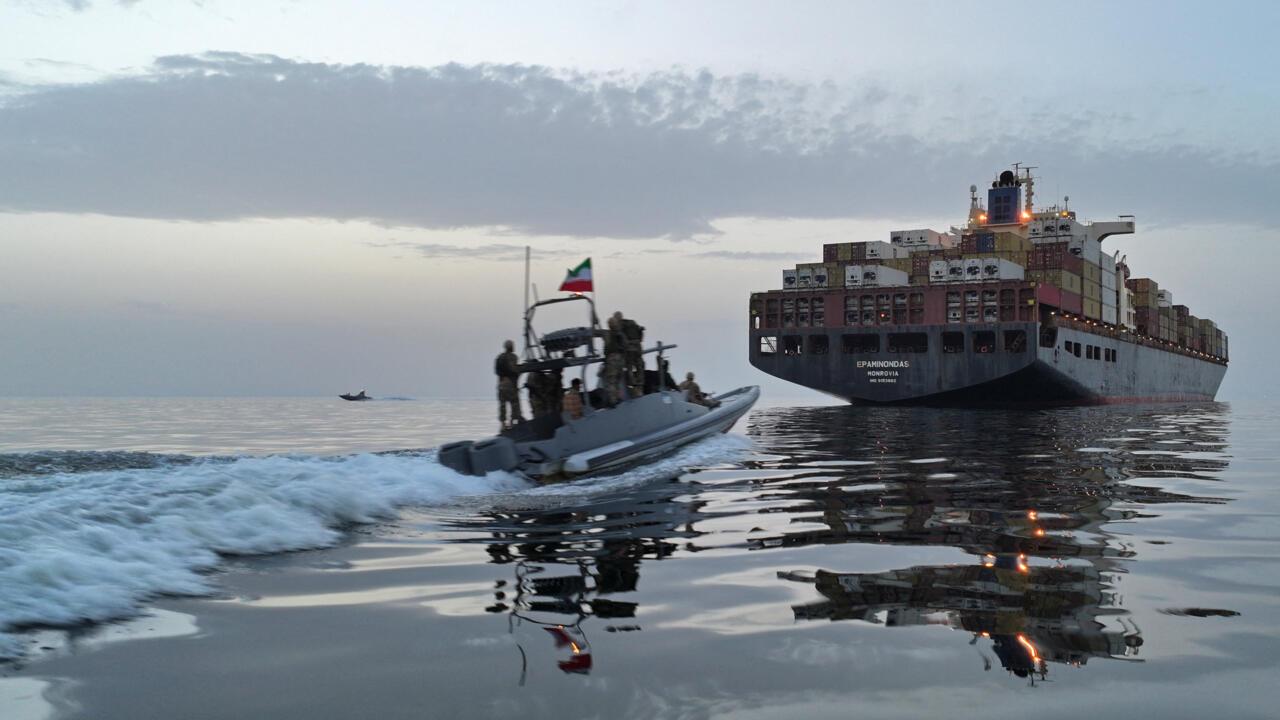
In the same reporting cycle, CNN said a tanker was hit by a projectile in the Strait of Hormuz, with the incident “eight nautical miles northeast of Limah, Oman,” reported around 4:10 p.m. ET on Monday.
Iran’s response and the escalation narrative were echoed by the Guardian, which said the U.S. launched its 10th consecutive round of strikes “to force the reopening of the strait of Hormuz.”
Retaliation vows and disputes
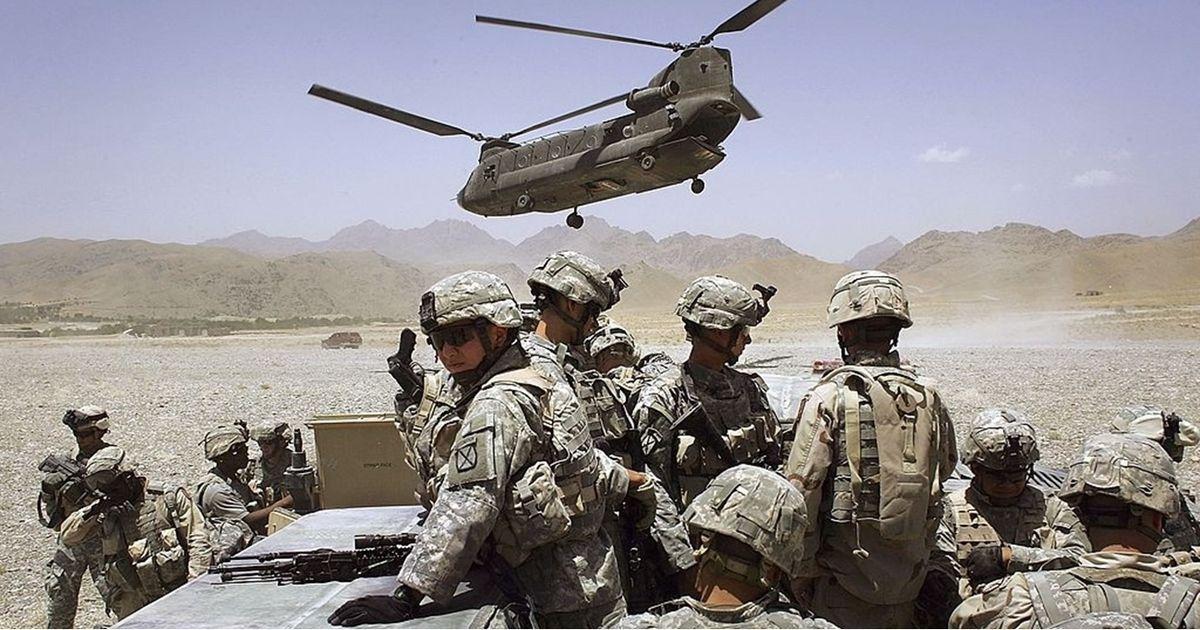
After U.S. troop deaths, Trump vowed retaliation, writing on Truth Social: “Every time Iran kills an American Soldier they will pay for that killing many times over!”
CNN reported that the strikes came hours after Trump warned that Tehran would pay for the deaths of three service members over the past few days, and it said Iranian state media reported explosions in several locations.

NBC News framed the situation as a spiraling exchange, saying experts warned Monday that “the conflict between the United States and Iran is spiraling” as the weekend exchange appeared to decimate an interim deal.
In the same period, the Washington Post described an intelligence assessment that “Iran’s government is unlikely to feel significant impact or soften its negotiating position” from new rounds of U.S. strikes.
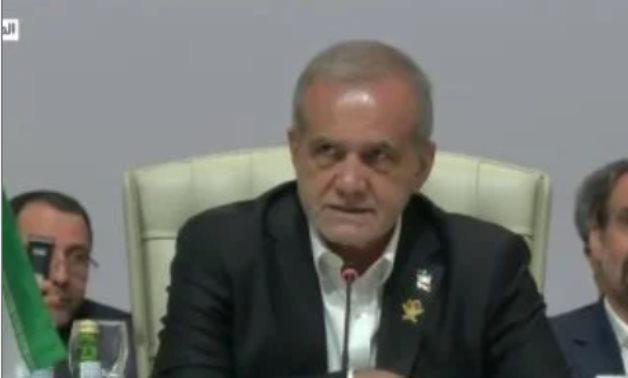
The Guardian added that Iran’s president, Masoud Pezeshkian, said the country is in a “full-scale war,” warning it might have to endure more strikes even as diplomats said talks to de-escalate were continuing.
Casualties, diplomacy, and risk
As the strikes continued, NPR reported that the U.S. says the weekend deaths make 17 military personnel now killed in the conflict with Iran, while Iran says “at least 3,000 Iranians, many of them civilians, have been killed” since Feb. 28.
NPR also said the dead include “168 children and 14 adults killed in a strike on a girls school,” and it noted the U.S. military says it still has not conducted a full review of that attack.
The Guardian tied the immediate stakes to shipping and energy, saying shipping in the strait has slowed to a trickle and “the price of oil reached its highest in a month, passing $90 (£67) a barrel.”
Reuters reporting cited by Al-Monitor described the interim ceasefire as having unraveled, saying the U.S. and Iran have intensified attacks as an interim ceasefire agreement signed a month ago has “unravelled” and control of the Strait of Hormuz has deepened.
Even amid escalation, the Guardian said an Iranian official told Reuters that mediators gave Iran a proposal for a 10-day-ceasefire to find ways to revive the MoU, while the U.S. secretary of state, Marco Rubio, said the U.S. was still open to negotiations with Iran but “it has to be real.”