U.S. Launches New Strikes On Iran After Trump Says Ceasefire Is Over
Key Takeaways
- U.S. launches new strikes on Iran after Trump says ceasefire ended.
- CENTCOM says strikes aim to degrade Iran's ability to threaten Hormuz navigation.
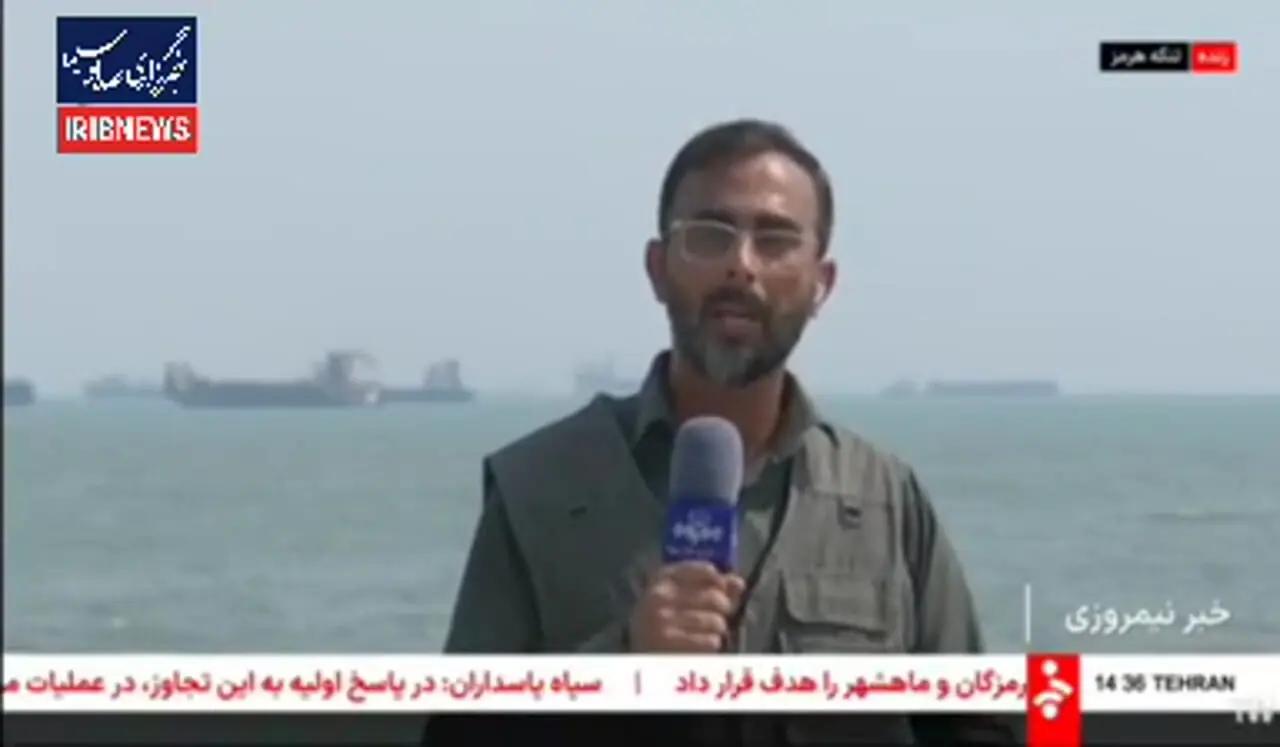
- Strikes followed Iranian attacks on ships in the Strait of Hormuz.
Ceasefire declared over
The United States carried out another round of strikes against Iran on Wednesday after President Donald Trump said the recent Iranian attacks on ships in the Strait of Hormuz signaled the end of the fragile ceasefire.
ABC7 New York reported that the U.S. launched strikes on Iran after new Iranian attacks on vessels, and that the latest strikes were intended to "further degrade" Iran's ability "to threaten freedom of navigation" in the strait.

AP said the action raised fears that the war in Iran could reignite, coming just a day after the U.S. military hit a variety of military sites and port facilities following Iran’s targeting of several merchant vessels off the coast of Oman.
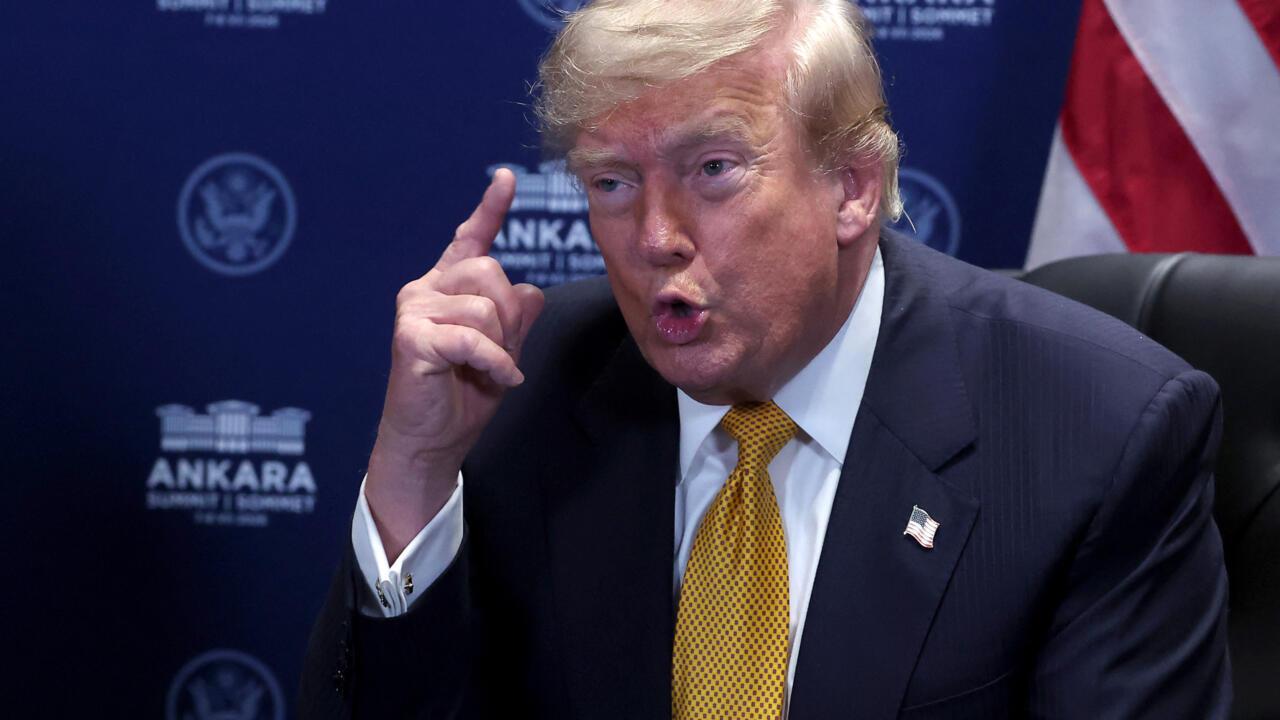
Trump posted videos on his social media site after leaving a NATO summit in Ankara, Turkey, and warned: "This is in retribution for yesterday's bombing of ships by Iran. If it happens again, it will get much worse!"
Threats and counter-threats
CNN reported that Trump warned on social media that strikes would "get much worse" if Tehran attacked more ships in the strait, and it also said Iran’s deputy foreign minister called Trump a “criminal” after the U.S. president had warned about new strikes.
In a separate response, AP quoted Parliament Speaker Mohammad Bagher Qalibaf as saying on X: "The era of bullying and extortion is over. It leads nowhere. We don't fold."

CNN also reported that Iran’s ambassador to the UN, Amir Saeid Iravani, condemned the latest spate of US strikes in a letter to the UN Security Council and secretary-general.
ABC7 New York said Iranian Deputy Foreign Minister Kazem Gharibabadi, also a top negotiator, retorted on X that Trump's remarks "are not a sign of power but an admission of the failure" of U.S. policy toward Iran.
What’s at stake next
Multiple outlets tied the renewed strikes to the Strait of Hormuz’s role in energy flows, with ABC7 New York saying the strait is where "a fifth of the world's traded oil and natural gas passed" before the war began with U.S. and Israeli attacks on Feb. 28.
AP said Iran has asserted that the interim ceasefire deal gives it the right to manage traffic through the strait, while negotiations to reach a final deal had been due to start after the dayslong funeral for Iran’s Supreme Leader Ayatollah Ali Khamenei, who was killed Feb. 28.
The Guardian reported that UN chief Antonio Guterres called “on all parties to exercise maximum restraint,” and it also said Pakistan was a key mediator in the U.S.-Iran talks.
NBC News said the U.S. military strikes were carried out for a second day to "to further degrade their ability to threaten freedom of navigation in the Strait of Hormuz," while it also reported that a firefighter was killed in a U.S. attack on Iranshahr Airport in southeastern Iran.
More on USA

Ronaldo Salgado Demands Independent Investigation After ICE Officer Kills Lorenzo Salgado Araujo in Houston
14 sources compared

Midtown Manhattan High-Rise Stabilized After Buckling Columns at 235 E. 42nd St
10 sources compared

Andy Beshear Demands Mitch McConnell Health Update After June 14 Hospital Admission
10 sources compared
Trump Says Ceasefire Over as U.S. Forces Launch Second Consecutive Strikes on Iran
12 sources compared