USA27 June, 20263 min read
U.S. Launches Strikes Against Iran After Drone Attack on Panama-Flagged Tanker M/T Kiku
U.S. launched airstrikes on Iran in retaliation for drone attack on Panama-flagged tanker. CENTCOM said it struck Iranian missile and drone storage facilities and coastal radar positions.

Al Jazeera was read line by line by the Watchdog: 4.0. See the score →
Strikes after tanker drone
The U.S. military launched another round of strikes against targets in Iran on June 27 after Tehran allegedly carried out a new drone attack on a commercial oil tanker in the Strait of Hormuz, according to U.S. Central Command.
CENTCOM said the latest operation came after Iranian forces struck the Panama-flagged tanker M/T Kiku with an attack drone around 4:30 a.m. ET Saturday, and the tanker was carrying more than 2 million barrels of crude oil near the Strait of Hormuz.

The U.S. military said it struck multiple military targets, including surveillance infrastructure, communication systems, air defense sites, drone storage facilities and minelayer capabilities, and CENTCOM said the operation was conducted "at the Commander in Chief's direction".
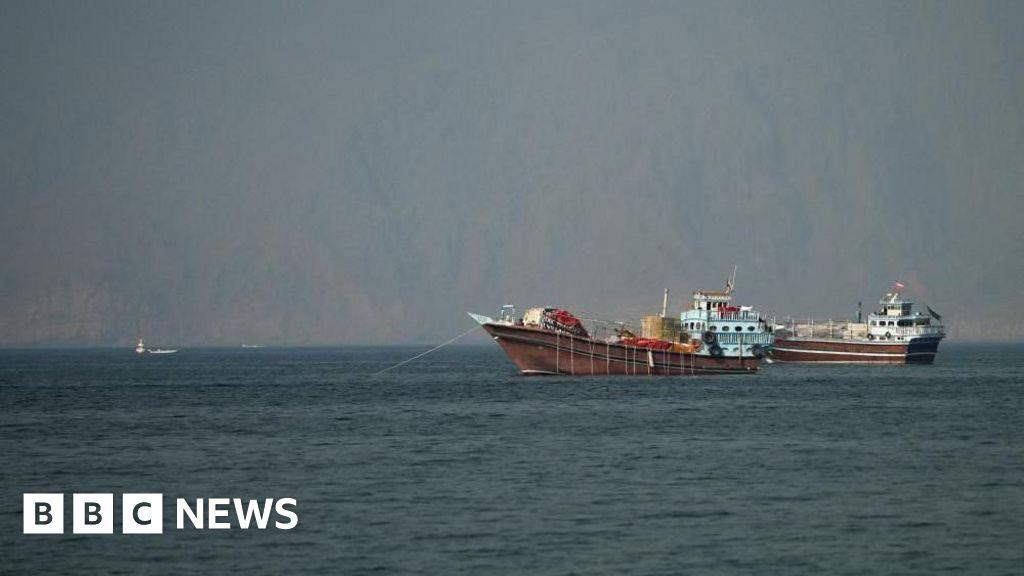
The BBC reported that the U.S. conducted strikes on Iranian targets after President Donald Trump accused Iran of a "foolish violation" of its truce following an attack on a cargo ship in the Strait of Hormuz.
The BBC also said Tehran blamed the cargo ship for using an unauthorised route to transit through the Gulf waterway, while U.S. Central Command described the American strikes as "a powerful response" to the drone attack a day earlier.
Ceasefire claims clash
CENTCOM said Iran had been given "given a chance to honor the ceasefire agreement" after U.S. retaliatory strikes a day earlier, but instead "elected not to" after the latest attack on commercial shipping. Vice President JD Vance reiterated that the United States had honored the agreement, warning that "violence will be met with violence," while the BBC reported that Ebrahim Azizi said the U.S. had "attacked Iran in the middle of negotiations once again." The Washington Post said the clashes marked "the latest threat to a ceasefire and ongoing talks toward a broader peace," after Central Command said its forces targeted Iranian military infrastructure in response to "continued Iranian aggression against commercial shipping."
CNN reported that the additional strikes came "in direct response to continued Iranian aggression," and it said the U.S. and Iran exchanged strikes after Iran launched a one-way attack drone that hit M/T Kiku. Al Jazeera framed the renewed attacks as a sign that a Middle East ceasefire might be at breaking point, saying the June 17 memorandum of understanding between the US and Iran could be "at breaking point" as the U.S. launched a second night of strikes.
What’s at stake next
The dispute over the Strait of Hormuz and how the memorandum is enforced remained central, with Al Jazeera saying the June 17 memorandum called for the US, Iran and their allies to "declare the immediate and permanent termination of military operations on all fronts, including in Lebanon." Al Jazeera also said the memorandum outlined a 60-day period during which time Iran was to make its "best efforts" at allowing commercial traffic to transit through the Strait of Hormuz at no charge, and it noted that continued fighting in Lebanon had prompted Iran to threaten the strait’s closure once more. CNN reported that the back-and-forth developments in the key waterway were casting further strain on the initial US-Iran agreement, which outlined plans to restore normal marine traffic in the strait.
In the BBC account of the earlier phase, the UKMTO said a tanker was struck by an unidentified projectile in the Strait of Hormuz, sustaining damage to its bridge but with all crew safe, while the BBC said Tehran effectively closed the strait after U.S. and Israeli attacks against Iran began at the end of February. The BBC further said the shutdown of the critical waterway for oil and gas shipments caused a spike in global oil prices and choked off shipments of other crucial commodities such as fertiliser, as the U.S. said it would continue to provide safe passage coordination and support to commercial vessels transiting the strait.