U.S. Marines Board Iranian-Flagged Tanker, Redirect 91 Ships Under Blockade
Key Takeaways
- The United States began imposing a naval blockade on maritime traffic to Iranian ports.
- U.S. Marines boarded the M/T Celestial Sea to enforce the blockade.
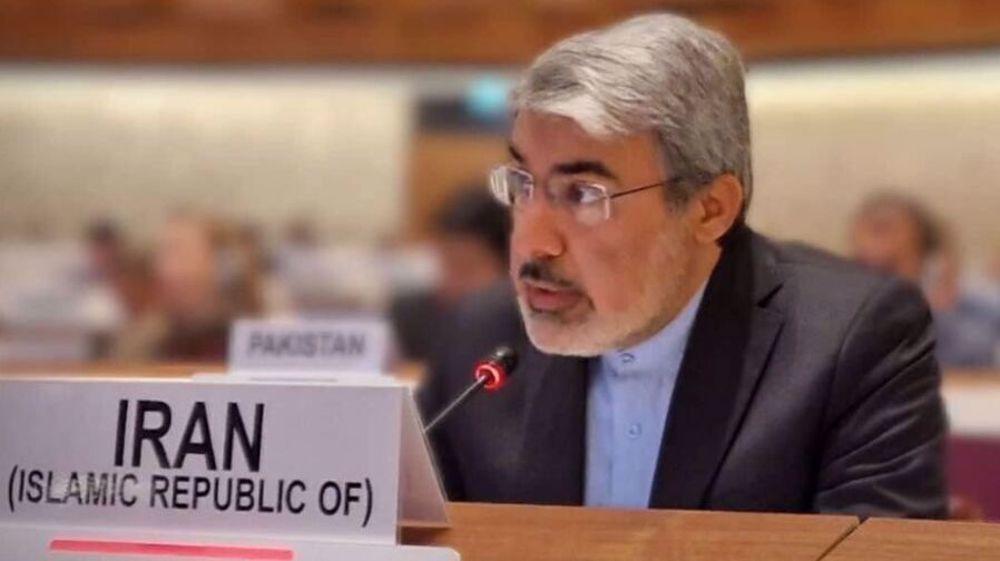
- Iran's UN ambassador Ali Bahraini calls blockade illegal and a war crime.
Blockade enforcement at sea
U.S. Marines intercepted and redirected an Iranian-flagged commercial oil tanker they suspected of evading the U.S. Navy blockade on Wednesday, boarding the M/T Celestial Sea as it traveled in the Gulf of Oman and forcing it to alter its course in adherence with the blockade, according to U.S. Central Command.
“What is a naval blockade”
The Navy Times said Marines from the 31st Marine Expeditionary Unit boarded the ship as it traveled in the Gulf of Oman potentially toward an Iranian port, and CENTCOM stated, “U.S. forces continue to fully enforce the blockade and have now redirected 91 commercial ships to ensure compliance.”
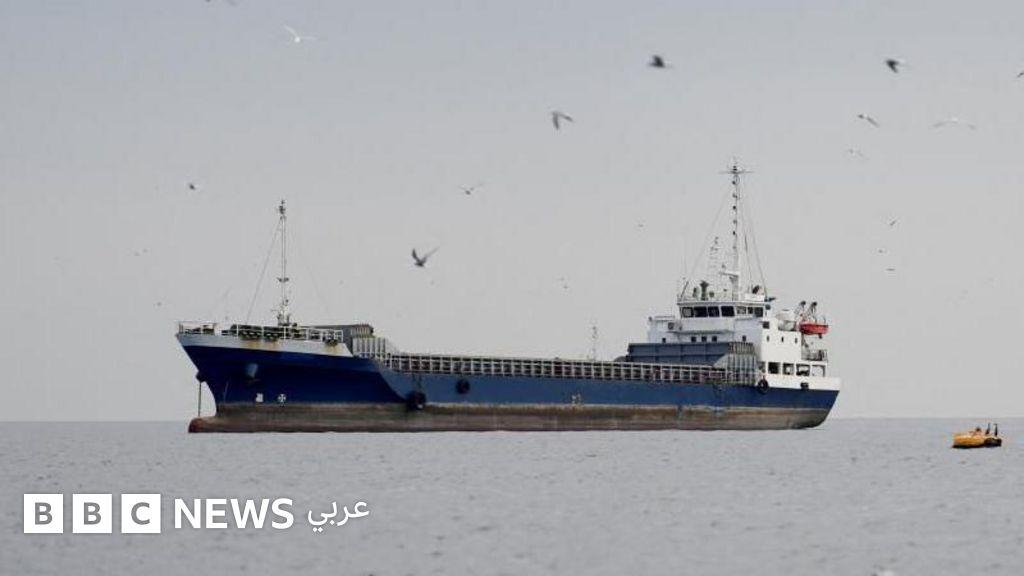
The same Navy Times account said U.S. military forces disabled four vessels since the U.S. Navy blockade began on April 12, and it described an F/A-18 Super Hornet from USS Abraham Lincoln firing on the Iranian-flagged unladen oil tanker M/T Hasna in the Strait of Hormuz on May 6.
BBC reported that the United States began, on Monday at 14:00 GMT, imposing a military blockade on maritime traffic headed to Iranian ports or departing from them, after negotiators from both sides failed to reach an agreement to end the war that began on February 28 but is currently under a two-week truce.
Trump’s threats and legal debate
BBC said President Donald Trump posted on Truth Social that the United States would begin “imposing a blockade on any and all ships attempting to enter or leave the Strait of Hormuz,” and he added that he had directed naval forces to track and intercept every vessel in international waters that pays a fee to Iran.
In the same BBC account, Trump warned, “Any Iranian who fires at us, or at peaceful ships, will be completely destroyed!” while it also noted that three U.S. legal experts told the BBC that imposing the blockade could violate maritime law.

BBC further described CENTCOM’s enforcement timing, saying its forces would begin enforcing the blockade at 10:00 a.m. Eastern Time (15:00 GMT) on Monday and that it would be applied impartially to ships of all countries entering or leaving Iranian ports and coastal areas.
The PressTV account countered that Iran’s ambassador and permanent representative to the UN office in Geneva, Ali Bahraini, warned against the humanitarian impact of the “illegal” US naval blockade and said it constitutes “a war crime,” urging UN High Commissioner for Human Rights Volker Turk to investigate and monitor effects.
Humanitarian stakes and ceasefire
PressTV said Ali Bahraini wrote to UN High Commissioner for Human Rights Volker Turk that the “unilateral naval blockade” has had widespread humanitarian impact, stressing it deprives civilians of food and essential goods and threatens fundamental rights including the right to health and access to medical equipment.
“Iran's ambassador and permanent representative to the UN office in Geneva, Ali Bahraini, has warned against the humanitarian impact of the “illegal” US naval blockade against the Islamic Republic, stressing that it constitutes “a war crime””
The PressTV account also said Bahraini warned that if this blockade continues, it will seriously threaten the fundamental rights of the Iranian people, including the right to development, access to basic goods and services, as well as the right to health and access to medical equipment.
BBC framed the blockade within a broader diplomatic context, saying it came after negotiators from both sides failed to reach an agreement to end the war that began on February 28 and that it is currently under a two-week truce.
PressTV added that Tehran says the measures violate the terms of a Pakistan-brokered ceasefire that took effect on April 8 and was later extended unilaterally by Washington, and it stated that Iran insists it will not reopen the Strait of Hormuz unless the illegal blockade is lifted and the war reaches a permanent end.
More on Iran

Emmanuel Macron Arrives in Damascus for First Post-Assad Western European Visit
29 sources compared

Hundreds Of Thousands Attend Ayatollah Ali Khamenei Funeral Procession In Tehran
16 sources compared
Donald Trump Says U.S. Is Not Seeking Regime Change in Iran
12 sources compared
Pentagon Plans US Ground Troop Deployment to Lebanon to Disarm Hezbollah, PressTV Says
16 sources compared