U.S. Military Carries Out Self-Defense Strikes in Southern Iran as Trump Says Talks Proceed
Key Takeaways
- U.S. self-defense strikes hit southern Iran, targeting missile launch sites and mining boats.
- Trump linked any Iran deal to Abraham Accords, urging additional Arab states to normalize.
- Diplomatic efforts to end the Iran war continue, with mixed signals on deal imminence.
US strikes in Iran
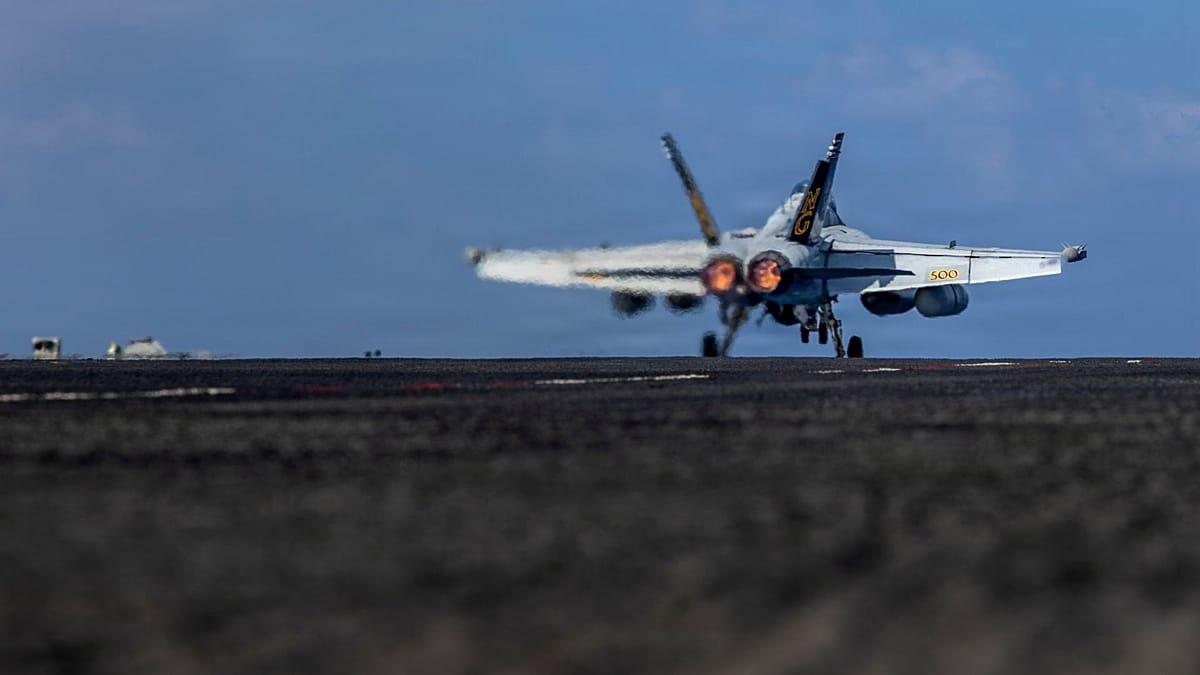
The U.S. military said it carried out “self-defense” strikes in southern Iran, including on missile launch sites and boats placing mines, while President Donald Trump said on social media that negotiations with Tehran were “proceeding nicely.” Capt. Tim Hawkins, the spokesman for the U.S. military’s Central Command, said the strikes were done “to protect our troops from threats posed by Iranian forces,” and that the military was “using restraint during the ongoing ceasefire.” Iranian state television separately reported blasts around Bandar Abbas, a city on the Strait of Hormuz home to a military port and a dual-use airport, as the strikes shook the weekslong ceasefire. The AP report also said there was no official response from Iran, and that Iran had sent its parliament speaker Mohammad Bagher Qalibaf to Qatar for negotiations over a possible deal with the U.S.
Abraham Accords pressure
Trump’s push to expand the Abraham Accords into the Iran-diplomacy track has become a central point of friction, with the AP reporting that he said any agreement to end the Iran war should include Saudi Arabia and Pakistan joining the Abraham Accords. In a Truth Social post, Trump wrote, “It should be mandatory that all of these Countries, at a minimum, simultaneously, sign onto the Abraham Accords,” and he listed Saudi Arabia, the United Arab Emirates, Qatar, Pakistan, Turkey, Egypt, Jordan, and Bahrain. DW reported that some Pakistani officials rejected the demand, while Raza Rumi told DW that “The benefits [of joining the Abraham Accords] are real but politically overstated.” CNN also reported that a Saudi source told CNN that the kingdom’s position “has not changed,” stressing the need for “an irreversible path toward the establishment of a Palestinian state.”
What’s at stake next
The AP said the Strait of Hormuz remains effectively in Iran’s chokehold, disrupting global energy markets, even as U.S. military strikes were framed as restraint during an ongoing ceasefire. Anadolu Ajansı reported that Trump threatened to resume war with Iran unless it meets required conditions regarding the deal, and it quoted U.S. Secretary of State Marco Rubio saying, “We will see in the hours and days ahead whether further progress can be made.” BBC reported that Trump issued an ultimatum on uranium, writing: “Either the enriched uranium (nuclear dust) is handed over immediately to the United States to be transported there and destroyed,” or—his preferred option—destroy it at its site with Atomic Energy Organization witnesses. In parallel, BBC said Iranian President Masoud Beizkian issued a decree to restore Internet service in Iran to its status before January, after it had been cut since the start of the U.S.-Israeli war.
“Trump Threatens to Resume War with Iran if the Deal Is Rejected The American president expressed displeasure at the idea of handing Iran's nuclear stockpile to Russia or China”
More on USA

Chemical Tank Rupture Kills At Least Two at Nippon Dynawave Packaging in Longview, Washington
12 sources compared

Jill Biden Says She Thought Joe Biden Was Having a Stroke During 2024 Debate With Donald Trump
17 sources compared

Ken Paxton Defeats John Cornyn in Texas Senate Runoff, Sets Up Fight With James Talarico
21 sources compared
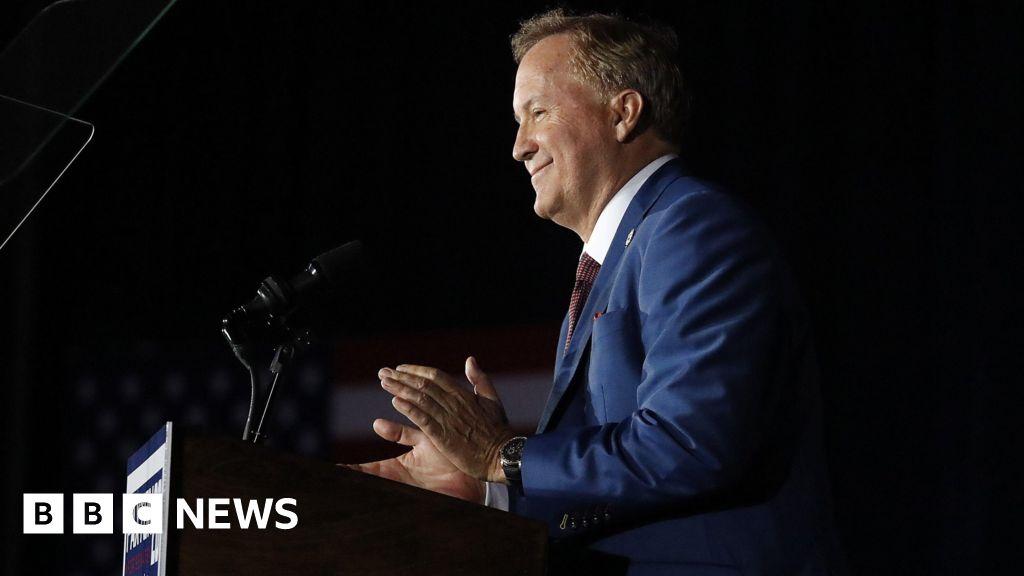
Ken Paxton Defeats John Cornyn, Sets Texas Senate Fight With James Talarico
13 sources compared