
U.S. Military Fires on Iranian Oil Tanker in Gulf of Oman Amid Trump-Tehran Deal Talks
Key Takeaways
- U.S. fired on an Iranian tanker in the Gulf of Oman.
- Washington and Tehran near a deal amid ongoing negotiations.
- Trump pressures Tehran to seal a swift deal ending the war.
Ceasefire under strain
The Iran-U.S. ceasefire was strained as the U.S. military said it thwarted attacks on three Navy ships in the Strait of Hormuz and retaliated against Iranian military facilities, with the United Arab Emirates later saying it intercepted a missile and drone strikes.
“The Iranian foreign minister said on Tuesday, February 17, that Iran and the United States had agreed during their discussions in Switzerland on "a set of guiding principles" that could pave the way for a possible agreement”
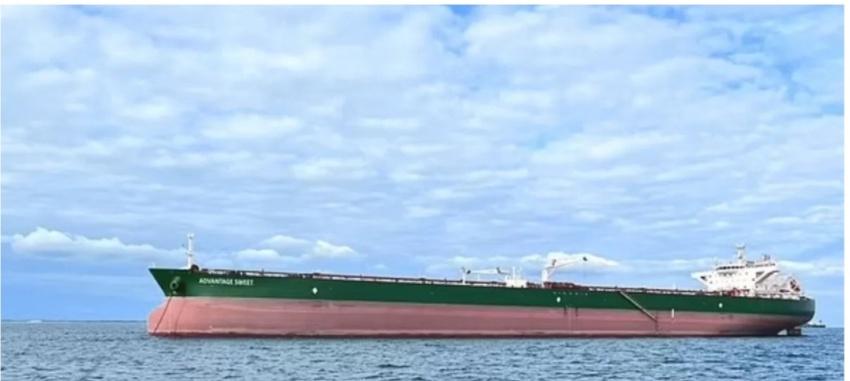
In the Gulf of Oman, the U.S. military fired on an Iranian oil tanker as President Donald Trump sought to pressure Tehran into reaching a deal to end the war, and a fighter jet shot out the rudder of the tanker as it tried to breach the American blockade of Iran’s ports.
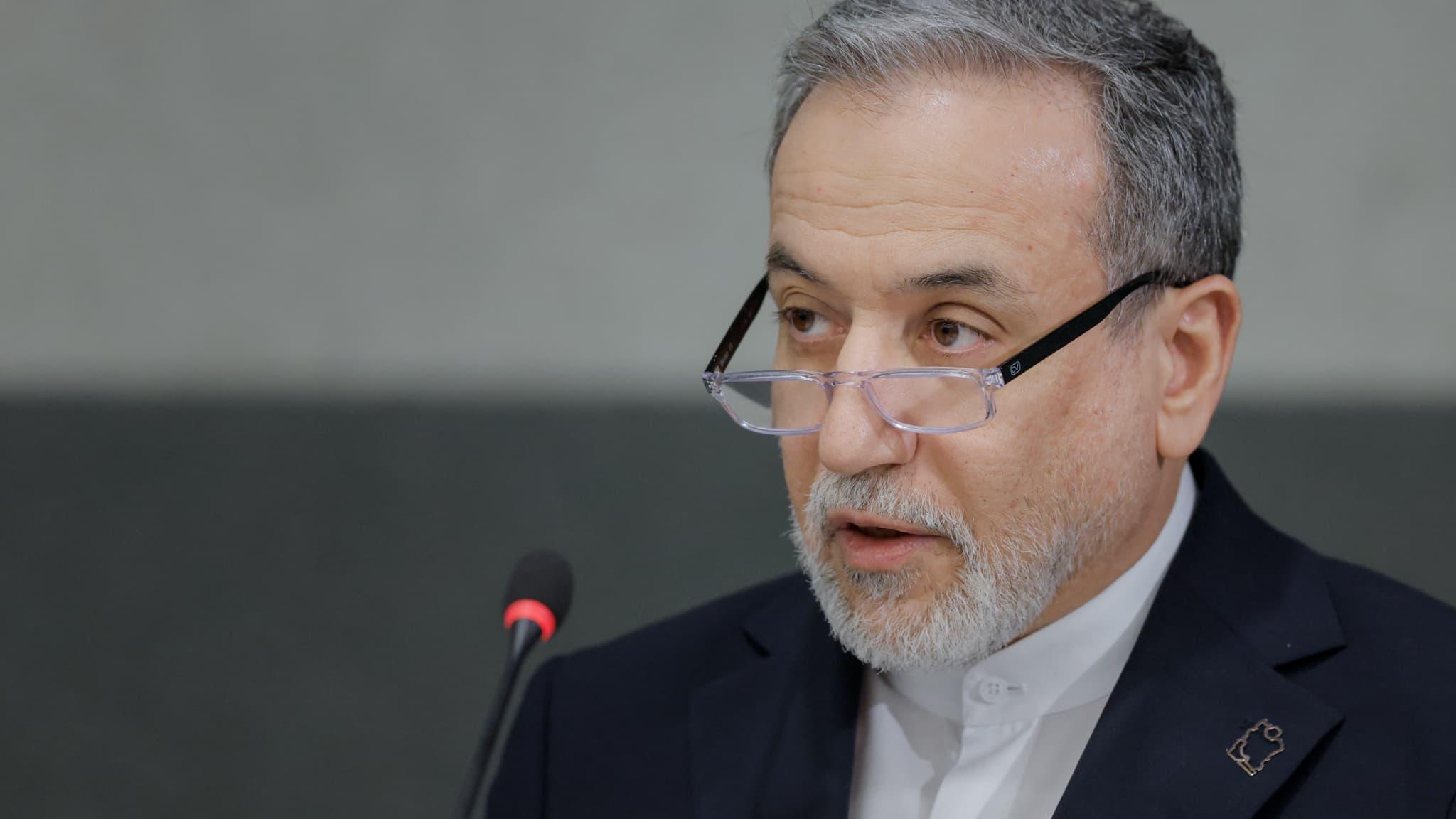
Trump warned that renewed bombing could begin if Iran rejects the proposed deal, while the Islamic Republic said it was reviewing the latest American proposals.
The Washington Post described the ceasefire as “shaky,” and the AP report said the attack occurred as Iran and the U.S. are officially in a ceasefire.
Deal talk and public anger
Renewed talk of a Washington-Tehran deal angered many Iranians, who questioned whether another agreement would reward the Islamic Republic while ordinary people bear the cost.
One person from Arak told Iran International, “Mr. Trump, either fight like a man or leave us alone. You’ve exhausted us,” while another sender asked, “If the fate of the Iranian people is being decided through this agreement, why is it happening behind closed doors?”
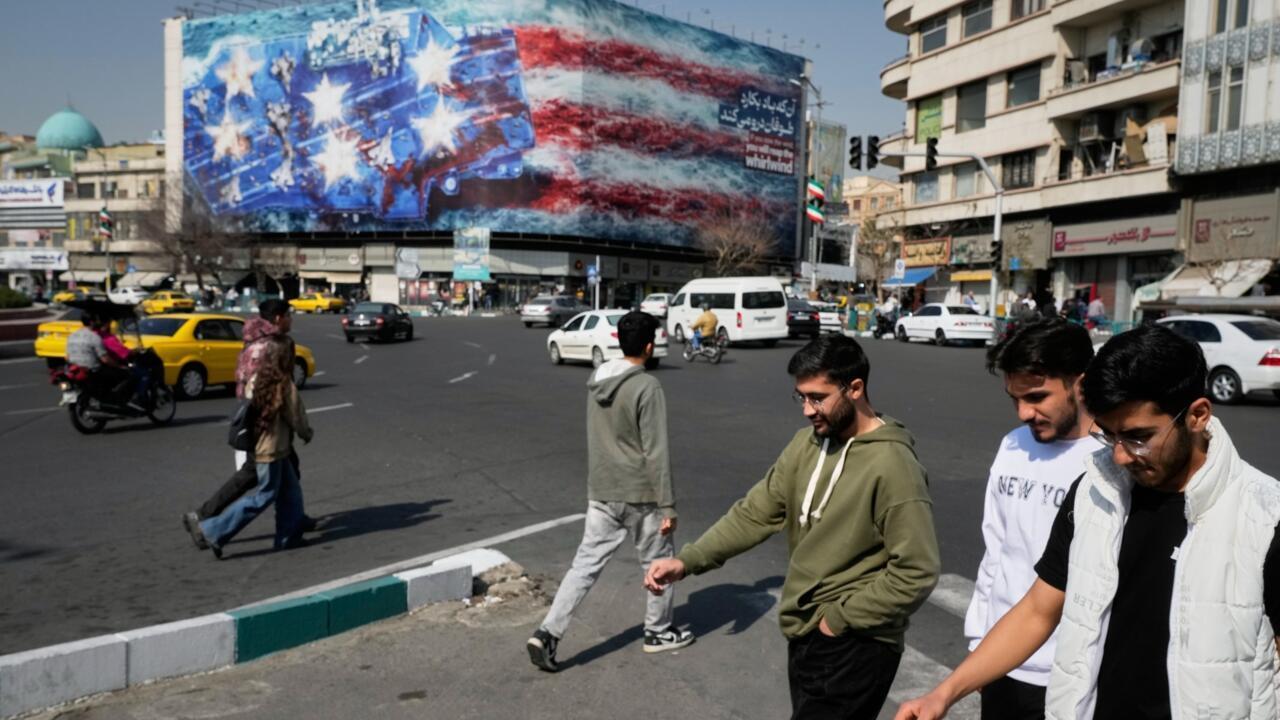
Iran International also reported that Trump said there was “never a deadline” for negotiations and suggested an agreement could still emerge before his planned trip to China next week, while also keeping open the possibility of renewed strikes.
Asieh Amini, a Norway-based social affairs analyst speaking to Iran International, said internet restrictions and censorship narrowed the space for measuring sentiment and argued that “the second conflict, which many believe is the main war inside Iran, has no representative in these negotiations.”
What’s at stake next
The dispute is centered on uranium enrichment and the terms of any transition toward broader nuclear talks, with the draft proposal described as including an Iranian commitment to halt uranium enrichment in exchange for a gradual lifting of U.S. sanctions.
“ANALYSIS Potential Washington-Tehran deal: Echoes of the past under a new formula One major element also stands out from the deal: neither Iran’s ballistic missiles nor its regional influence would be explicitly addressed”
The المنصة reported that Washington expects Iranian responses to a package of key points within the next 48 hours, and it said the MoU is expected to pave the way for broader, more detailed negotiations regarding Iran’s nuclear program and post-war arrangements.
In the same reporting, the MoU is described as consisting of 14 points and aiming to bring an end to the war and initiate a 30-day transitional phase to draft a comprehensive agreement in Islamabad, with shipping restrictions in the Strait of Hormuz expected to be eased alongside a reduction of the U.S. naval blockade.
But the agreement is contingent on a subsequent final deal, and the same source warned that if negotiations fail, the measures would be reinstated and the two potential outcomes are “a gradual de-escalation of the conflict or a return to hostilities should the talks collapse.”
More on Iran
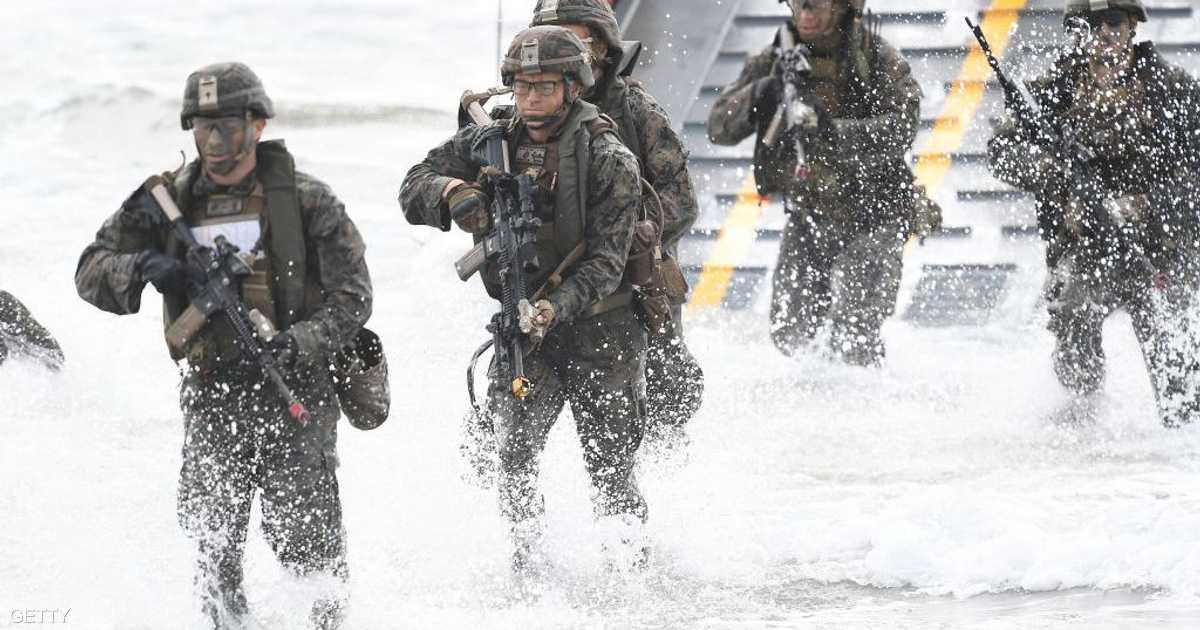
U.S. Fires on Iranian-Flagged Tankers in Strait of Hormuz After Exchanging Fire
11 sources compared
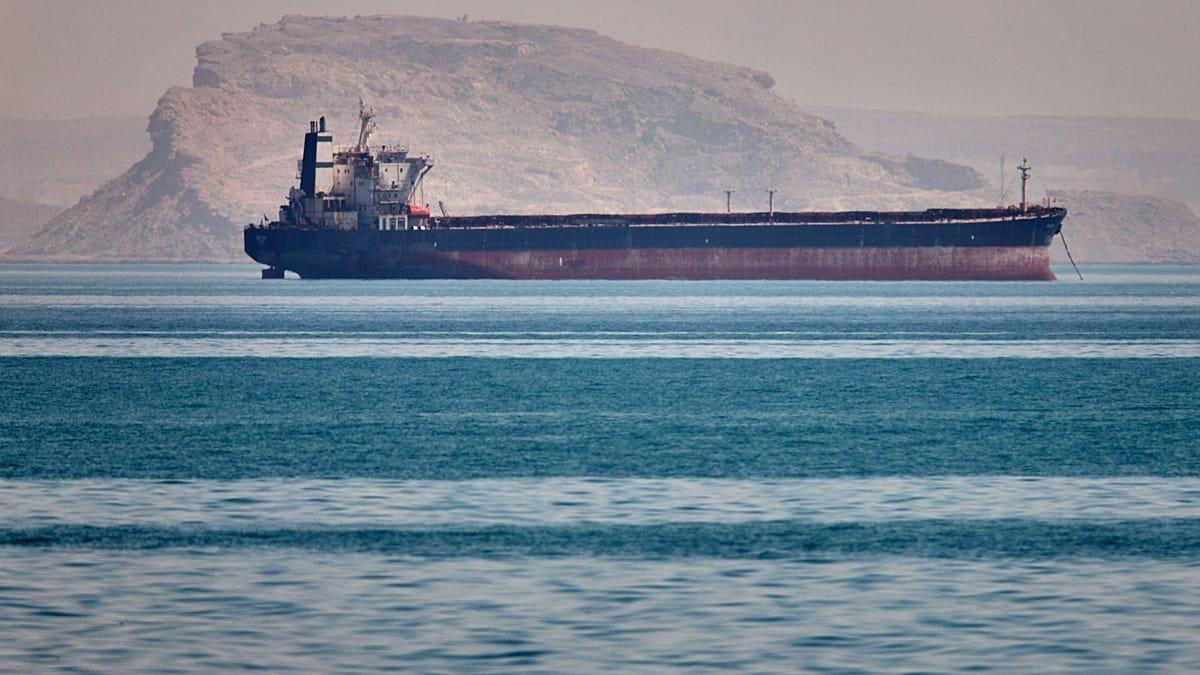
U.S. Fires on Two Iranian-Flagged Tankers Near Strait of Hormuz, Trump Expects Iran Response
17 sources compared
Iran Retaliates After U.S. Attacks Vessels Near Strait of Hormuz, Trump Warns Of More Strikes
18 sources compared
IRGC Navy Seizes Ocean Koi Tanker in Gulf of Oman, U.S. Disables Two Tankers
15 sources compared