South America19 October, 20252 min read
US Military Kills 3 in Strike on Caribbean Drug Trafficking Vessel Linked to Colombian Terrorists
U.S. military struck a Caribbean drug vessel linked to Colombian terrorists, killing three people. Two survivors from the strike are being repatriated to Ecuador and Colombia for prosecution.

70 outlets told this the same way.
Outlets did split on Alexandre de Moraes Orders Eduardo Bolsonaro Arrest, Cancels Passport, Enforces Four-Year Sentence →
U.S. Caribbean Drug Strike
U.S. officials announced a new Caribbean strike that killed three people aboard a drug‑trafficking vessel allegedly linked to a Colombian terrorist group.
“The U.S. conducted a military strike on a boat in the Caribbean linked to a Colombian terrorist group and drug trafficking, killing three men aboard, Defense Secretary Pete Hegseth announced.”
This operation marks an escalation in a months‑long maritime campaign.

Defense Secretary Pete Hegseth said the attack was the seventh such operation and took place in international waters within U.S. Southern Command’s area.
The strike targeted a boat on a known narcotics route.
Multiple outlets describe ties to Colombia’s ELN, which the U.S. treats as a terrorist organization.
Some reports add that the operation seized fentanyl and other narcotics.
Together, these accounts portray a lethal interdiction framed as counter‑terrorism against cartel‑linked actors with Colombian connections.
Recent Anti-Drug Operations
The new strike follows a string of lethal operations since early September, including a widely publicized hit on a semi-submersible allegedly carrying fentanyl. In that operation, two people were killed and two survivors were repatriated to Ecuador and Colombia for prosecution. The Trump administration describes these actions as part of an "armed conflict" against drug cartels, invoking post-9/11 authorities to treat traffickers as enemy combatants.
Casualty counts vary by outlet: several report at least 29 deaths from recent strikes, others cite 27, and some now tally at least 32 with the latest operations. Some sources also note the government has not presented proof linking all those killed to drug smuggling. Additionally, video evidence shared by Trump did not include corroborating details.
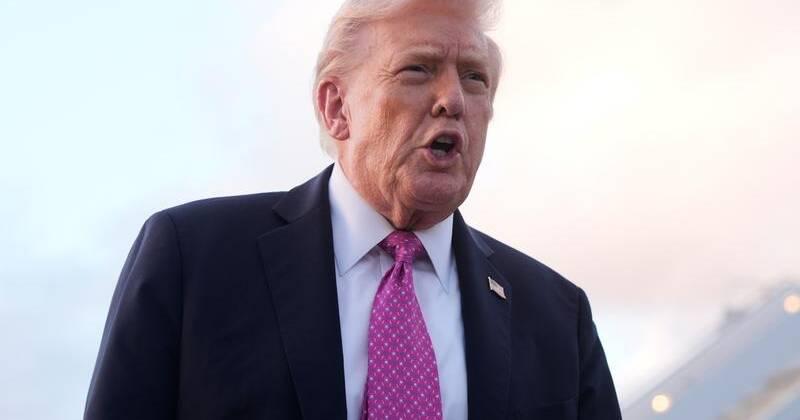
US-Venezuela Tensions Overview
The campaign has increased tensions with Venezuela, whose president Nicolás Maduro denies any involvement in drug trafficking and condemns the strikes as violations of sovereignty and international law. Venezuela has appealed to the UN Security Council to declare the actions illegal.
“Venezuelan President Nicolás Maduro denies drug trafficking involvement and condemns US strikes as violations of sovereignty and international law, appealing to the UN Security Council to declare the actions illegal.”
Meanwhile, U.S. officials have increased military presence in the region and, according to multiple reports, authorized CIA covert operations. Some accounts also describe shows of force, such as bomber deployments near Venezuelan waters, and a broader effort to pressure Maduro’s government.
Colombia's Mixed Response to US Actions
Colombia’s response has been conflicted. President Gustavo Petro confirmed that a Colombian detainee from a recent interdiction was repatriated for prosecution. He has also accused the U.S. of violating Colombia’s sovereignty and killing an innocent fisherman, Alejandro Carranza, during an earlier strike.
Petro called for accountability and even UN criminal proceedings regarding the incident. Some outlets specify the incident occurred in Colombian waters and emphasize the possibility of civilian casualties. Other sources focus on the prosecutorial follow‑through for detainees.
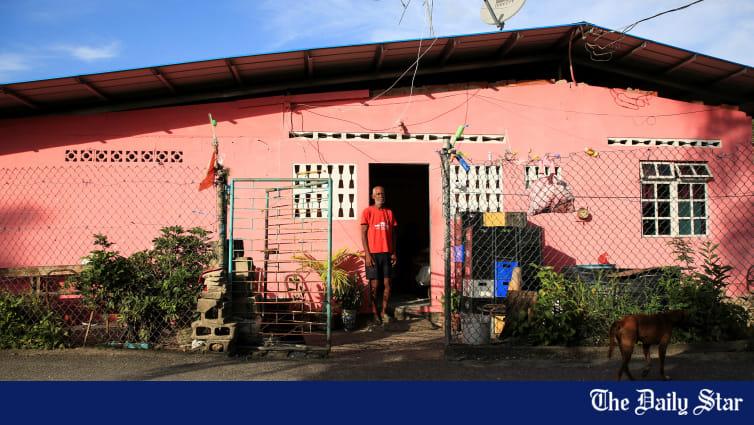
Controversy Over Counter-Narcotics Campaign
The legality and oversight of the campaign remain hotly contested in Washington. The administration describes the operations as a non-international armed conflict against cartels and their alleged terrorist allies, relying on post-9/11-style authorities. Lawmakers are pushing for limits and greater transparency regarding these operations.
“The Pentagon classifies U.S. actions in the region as a ‘non-international armed conflict’... President Trump has authorized CIA covert operations inside Venezuela.”
Reports mention a new counter-narcotics task force, CIA covert operations, and leadership changes. Congressional efforts are underway to require approval for future actions against Venezuela.

Some outlets report ambiguity over detainee handling and due process. This contrasts with official claims that survivors are sent home for prosecution.