Full Analysis Summary
U.S. sanctions on Venezuela
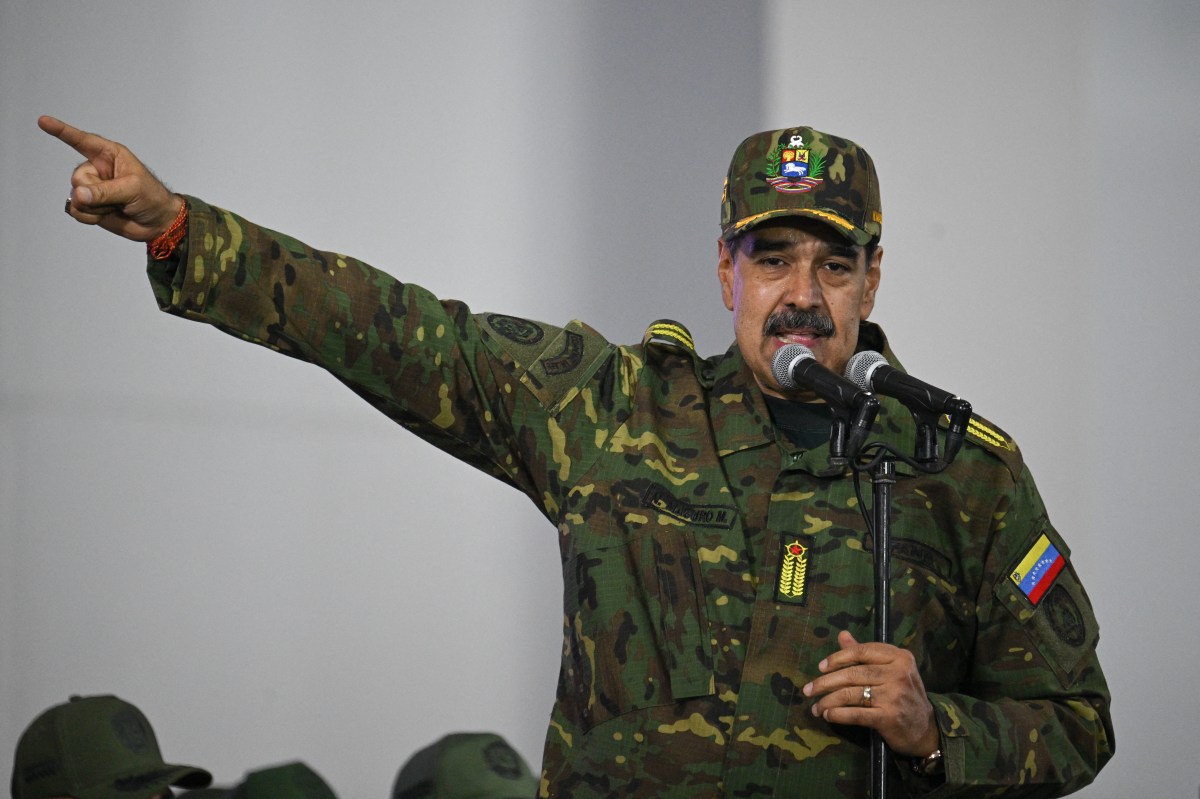
The U.S. Treasury announced new sanctions targeting seven family members and associates of Venezuelan President Nicolás Maduro.
The move expanded an earlier package that had named Maduro’s nephew by marriage, Efraín Antonio Campo Flores, Panamanian businessman Ramón Carretero, six Venezuela-flagged oil tankers and related shipping firms.
Treasury Secretary Scott Bessent characterized Maduro and his allies as a regional threat and said the administration would continue targeting the networks that prop up his illegitimate dictatorship.
The sanctions announcement coincided with an intensified U.S. military campaign in the region that, according to reporting, has included strikes on boats that have killed more than 100 people, the seizure of a Venezuelan oil tanker and a naval blockade affecting vessels to and from sanctioned ports.
Coverage Differences
Tone and emphasis
Al Jazeera (West Asian) emphasizes both the sanctions and the broader U.S. military campaign while quoting Treasury Secretary Scott Bessent’s denunciation of Maduro as an “illegitimate dictatorship,” framing U.S. actions as pressure on Caracas and noting critical views. Newsweek (Western Mainstream) frames the sanctions through OFAC language — calling them aimed at a “narco‑corruption structure” — and reports the military buildup more straightforwardly. mb.ntd (Western Alternative) focuses more on operational details like the seizure and blockade and the lethal strikes, presenting sharper allegations such as President Trump’s warning that strikes on Venezuelan soil are “coming soon.” Each source thus stresses different aspects: legal framing (Newsweek/OFAC), official denunciation (Al Jazeera/Scott Bessent), and operational escalation and warnings (mb.ntd).
Reporting on US strikes
Multiple outlets report lethal U.S. strikes on suspected drug boats in the Caribbean that have killed more than 100 people, though they differ in detail and framing.
mb.ntd states the U.S. military has carried out more than 20 lethal strikes on suspected drug boats in the Caribbean, saying they killed over 100 alleged narco-terrorists and emphasizing the number of strikes.
Newsweek similarly reports operations that have reportedly killed more than 100 people and connects the strikes to a broader military buildup near Venezuela’s borders.
Al Jazeera confirms the strikes, the tanker seizure and the blockade, and notes that some international law experts have called these actions extrajudicial killings, a legal and ethical criticism less prominent in the other reports.
Coverage Differences
Contradiction / emphasis on legality
mb.ntd (Western Alternative) emphasizes operational metrics — "more than 20 lethal strikes" and characterizes the dead as "alleged narco‑terrorists." Newsweek (Western Mainstream) reports the casualty figure more cautiously as "reportedly killed more than 100 people" and frames it within a military buildup. Al Jazeera (West Asian) reiterates the same casualty and operational claims but uniquely reports that "some international law experts call [the actions] extrajudicial killings," introducing a legal critique absent from the other summaries. The sources thus agree on high casualties but diverge on labeling and legal framing.
Venezuela sanctions coverage
The sanctions package itself is presented with differing specifics and legal language.
Al Jazeera and Newsweek both list the seven family members and associates and identify figures tied to Maduro’s inner circle.
Al Jazeera names Efraín Antonio Campo Flores, described as one of the so‑called 'narco‑nephews'.
Newsweek states the move targets figures linked to Maduro’s nephew José Malpica Flores.
Newsweek also highlights OFAC’s description that the measures target a 'narco‑corruption structure'.
mb.ntd, by contrast, foregrounds operational outcomes by describing the seizure of an oil tanker and a declared blockade of sanctioned tankers, underscoring enforcement at sea.
Coverage Differences
Missed information / naming conventions
Al Jazeera (West Asian) explicitly names Efraín Antonio Campo Flores as the nephew by marriage and lists tankers and shipping firms; Newsweek (Western Mainstream) also references a nephew but uses a different name reference — "José (likely refers to) Malpica Flores" — and emphasizes OFAC’s legal term "narco‑corruption structure." mb.ntd (Western Alternative) focuses less on the list of sanctioned individuals and more on maritime enforcement actions (seizure and blockade). These differences show variation in naming/detail and focus between legal/identity specifics (Al Jazeera/Newsweek) and operational enforcement (mb.ntd).
Venezuela coverage contrast
This set of excerpts compares Venezuelan and U.S. political responses as presented by different news outlets.
mb.ntd reports President Nicolás Maduro denies government links to crime and accuses the U.S. of pursuing regime change to seize the country's oil.
Al Jazeera quotes U.S. Treasury rhetoric describing Maduro's network as "criminal accomplices" who "threaten our hemisphere's peace and stability."
Newsweek notes the U.S. narrative through OFAC and reports military pressure and casualties.
Newsweek also states that it "contacted the Venezuelan foreign ministry for comment," indicating a more neutral reporting posture that seeks comment rather than amplifying accusations.
Coverage Differences
Narrative / source of claims
mb.ntd (Western Alternative) quotes Maduro’s denials and accusations directly, reporting his claim that the U.S. seeks regime change to seize oil. Al Jazeera (West Asian) quotes U.S. Treasury Secretary Scott Bessent’s accusatory language toward Maduro’s network, presenting the U.S. government’s framing. Newsweek (Western Mainstream) highlights OFAC’s legal framing and attempts to obtain comment from Venezuela’s foreign ministry rather than primarily reporting Maduro’s response. This shows a split between government statements (U.S. Treasury), the targeted government's denials (Maduro), and mainstream outlets’ effort to corroborate via contact.
Media framing of U.S. actions
Sources agree on broad facts: sanctions against Maduro-linked figures and a U.S. military campaign that has resulted in more than 100 deaths, but the outlets diverge on interpretation, emphasis, and legal framing.
Al Jazeera foregrounds critical voices and notes that some international law experts call the actions extrajudicial killings.
Newsweek uses OFAC's term 'narco-corruption structure' and seeks official comment.
mb.ntd emphasizes the scale and immediacy of kinetic enforcement, reporting 'more than 20 lethal strikes' and the blockade, and it notes both Democratic concerns and President Trump's warning that strikes on Venezuelan soil are 'coming soon.'
Taken together, the snippets show consistent factual claims but important differences in tone—legal critique versus administrative framing versus operational detail—that shape how readers understand the deaths and the stated U.S. objectives.
Coverage Differences
Tone / narrative emphasis
Al Jazeera (West Asian) highlights legal critique and critic perspectives by reporting that "some international law experts call [the actions] extrajudicial killings," which raises questions about legality. Newsweek (Western Mainstream) centers OFAC’s official rationale that the sanctions target a "narco‑corruption structure" and presents a conventional journalistic step of seeking comment from the targeted government. mb.ntd (Western Alternative) stresses operational details and domestic political cues — "more than 20 lethal strikes," Democratic lawmakers' concerns, and President Trump’s warning — conveying immediacy and domestic political contention. These differences show how source_type affects narrative framing and what aspects each outlet chooses to emphasize.