USA07 November, 20252 min read
US Military Kills Three in Controversial Caribbean Boat Strike Without Evidence of Threat
US military conducted its 17th lethal strike on an alleged drug boat in the Caribbean. The strike killed three people, raising the campaign's death toll to at least 70.
24 outlets told this the same way.
Outlets did split on Trump Interrupted by Protesters at San Antonio Rally for Ken Paxton →
U.S. Maritime Strike Details
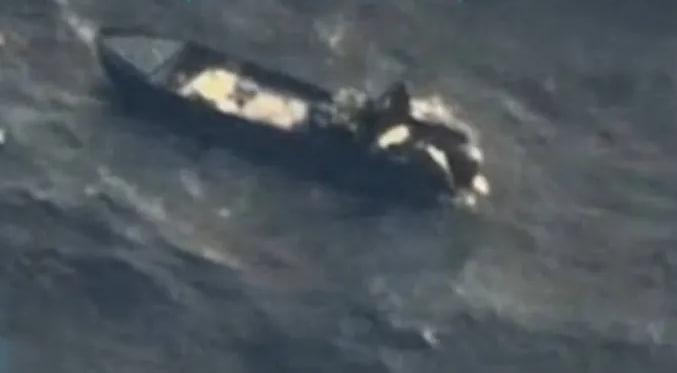
U.S. forces carried out another lethal strike on a small boat in the Caribbean, killing three people. Defense Secretary Pete Hegseth said the target vessel was operated by a “Designated Terrorist Organization” and was hit in international waters. The action is part of a months-long maritime campaign begun in early September under President Donald Trump.
“On November 7, 2025, U.S. forces conducted another strike on an alleged drug trafficking boat in the Caribbean, killing three people, according to Pentagon chief Pete Hegseth.”
Washington has released aerial footage but no public evidence that the boats pose a direct threat or carried narcotics. Multiple outlets report the death toll from the campaign has reached roughly 69–70 people. This latest incident has further inflamed a debate over legality and transparency.
Anti-Narcotics Military Campaign
Reports diverge on the scale and assets of the campaign.
Several outlets say at least 18 vessels have been destroyed, including a semi-submersible or “narco sub.”

Roughly 69–70 people have been killed since September.
The Pentagon has surged military hardware into the region, including Navy ships, F-35 stealth fighters, and the USS Gerald R. Ford carrier strike group.
This underscores how the Trump administration has elevated anti-narcotics operations to a high-visibility military mission.
Controversy Over U.S. Killings
The legality and transparency of the killings are under fierce dispute. Critics—including U.N. officials, human rights experts, and opposition lawmakers—say the U.S. has not produced evidence linking the boats to drug cartels or a direct threat. They warn the strikes may constitute extrajudicial killings or even potential war crimes.
“The strikes have drawn significant criticism. Experts and the United Nations have condemned the attacks as extrajudicial killings lacking legal justification... UN rights chief Volker Turk called the attacks unacceptable.”
Administration officials defend the operations as lawful wartime actions against "narco-terrorists." However, the lack of public proof and congressional skepticism has fueled demands for oversight and legal justification.
Diplomatic Tensions Over Drug Strikes
Regionally, the strikes are intensifying diplomatic tensions and competing narratives. Venezuela’s Nicolás Maduro accuses Washington of using anti‑drug operations as a pretext for regime change and control of oil. The Trump administration declares an “armed conflict” with cartels and warns “narco‑terrorists” to stop or face lethal force.
Neighboring Colombia highlights major drug seizures conducted without fatalities, underscoring an alternative enforcement approach. U.S. domestic politics also intrude, with reports mentioning briefings by senior officials and a narrowly defeated Senate move to limit Trump’s actions on Venezuela. There are even allegations of covert CIA operations, illustrating how the campaign intertwines with broader geopolitical and partisan battles.
Contested Reports on Killings
Who is being killed is also contested. An Associated Press investigation in Venezuela’s Paria Peninsula reports that while many of the men on the boats were involved in smuggling, they were not cartel leaders and often included inexperienced crew—fishermen and local laborers—complicating U.S. claims of killing “narco‑terrorists.”
“Critics argue the strikes lack legal justification and evidence, accusing the US of extrajudicial killings and causing civilian casualties, as many of the dead are reportedly fishermen.”
West Asian Mehr News similarly reports critics’ allegations that many of the dead are fishermen. Several outlets stress that Washington still has not provided public evidence the targets posed a direct threat, even as some media adopt the government’s “narco‑terrorist” label.
