USA14 February, 20262 min read
US military kills three in strike on alleged drug boat in Caribbean
This article is an automated aggregation of coverage from news outlets. Our editorials offer in-depth analysis curated by the NewsCord team.
US military struck a Caribbean vessel, killing three people SOUTHCOM said the boat was engaged in narco‑trafficking on known routes
6 outlets told this the same way.
Caribbean maritime strike
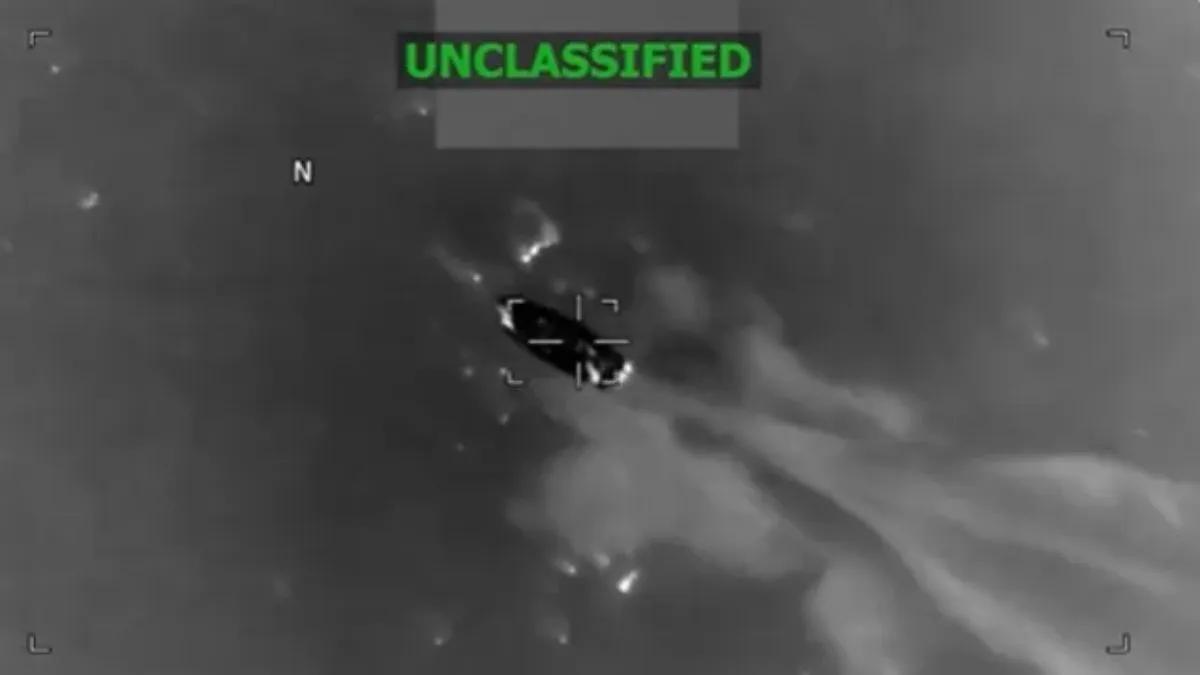
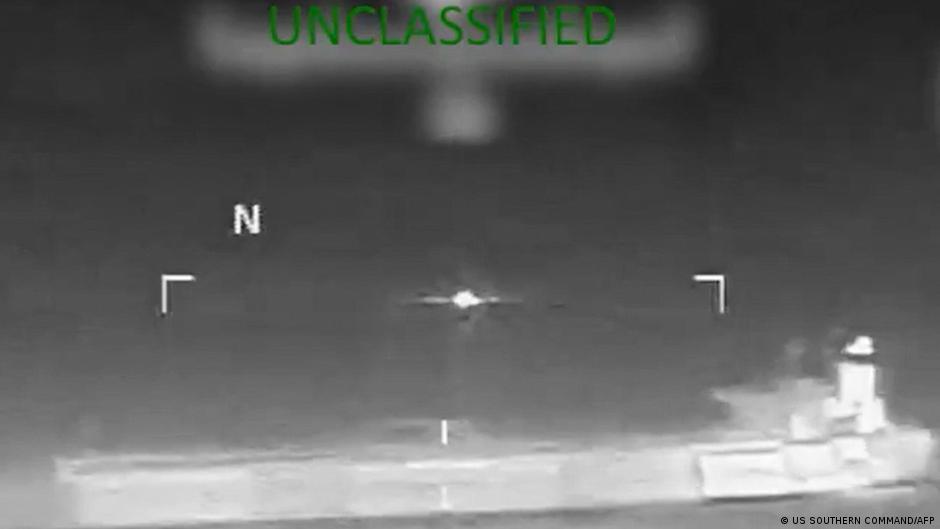
The U.S. military said it struck a vessel suspected of trafficking drugs in the Caribbean, killing three people. Southern Command (SOUTHCOM) posted an 11‑second clip on X showing the boat underway moments before what it called a "lethal kinetic strike" that caused an explosion.
“The US military said it struck a vessel suspected of trafficking drugs in the Caribbean, killing three people.”
SOUTHCOM confirmed the strike and its casualty figure, while some reporting described the military statement as saying 'three narco‑terrorists were killed'. Al Jazeera reports SOUTHCOM released video showing a missile strike that appears to destroy a boat in flames and ties the incident to a wider campaign of maritime interdictions.

Legal concerns over strikes
Human-rights and legal experts and monitors have pushed back, arguing the strikes may amount to extrajudicial killings and warning of possible criminal liability when survivors or shipwrecked people are later struck. Al Jazeera quotes "Human-rights and international-law experts" saying such attacks "amount to extrajudicial executions even when the targets are alleged drug traffickers," and notes earlier incidents and scrutiny of commanders over follow-up strikes that killed survivors.
Independent counts and monitors, reported by Al Jazeera and echoed in other reporting, place the campaign at roughly 38 strikes across the eastern Pacific and Caribbean that have killed dozens more. Commentators point out the military "has not produced conclusive evidence that the targeted vessels were trafficking drugs," prompting debate over legality and justification.
U.S. campaign framing and legality
Officials frame the campaign as a confrontation with organized narcotics networks, but public evidence and legal authority are questioned. SSBCrack News says officials describe the effort as a war against "narco‑terrorists" operating from Venezuela. SSBCrack News reports the campaign includes strikes "from the Caribbean to the Pacific."
“SOUTHCOM said the vessel was transiting known narco‑trafficking routes and engaged in narco‑trafficking operations.”
DW cites SOUTHCOM saying the vessel was "transiting known narco‑trafficking routes and engaged in narco‑trafficking operations," signaling the military justification. Al Jazeera reports that the campaign has been framed by the U.S. — confusingly referencing both administrations in its wording — as part of an "armed conflict" with cartels to curb drug flows. Legal experts argue the U.S. "lacks legal authority to carry out attacks in international waters" and say suspected traffickers are entitled to due process.
Regional strike fallout
Observers warn the strikes have broader geopolitical ripple effects, including accusations of regime‑change motives after high‑profile actions in the region. SSBCrack News ties the latest actions to the recent capture of Venezuelan leader Nicolás Maduro by US special forces and quotes that Maduro "has denounced the operations as a pretext for regime change," complicating the regional picture.
Al Jazeera recalls an earlier September 2025 episode in which a follow-up strike killed survivors clinging to wreckage and says monitors and media counts place the total campaign at about 38 strikes killing "at least 133 people," adding that senior U.S. figures were scrutinized for those decisions. DW echoes the view that this strike is "one of at least 38 similar, controversial operations" carried out since September, underscoring the sustained and contested nature of the campaign.
