USA24 February, 20263 min read
US Military Kills Three in Strike on Alleged Drug-Smuggling Boat in Caribbean
This article is an automated aggregation of coverage from news outlets. Our editorials offer in-depth analysis curated by the NewsCord team.
US military struck an alleged drug-smuggling vessel in the Caribbean Sea. The strike killed three people aboard the vessel.

5 outlets told this the same way.
U.S. strike in Caribbean
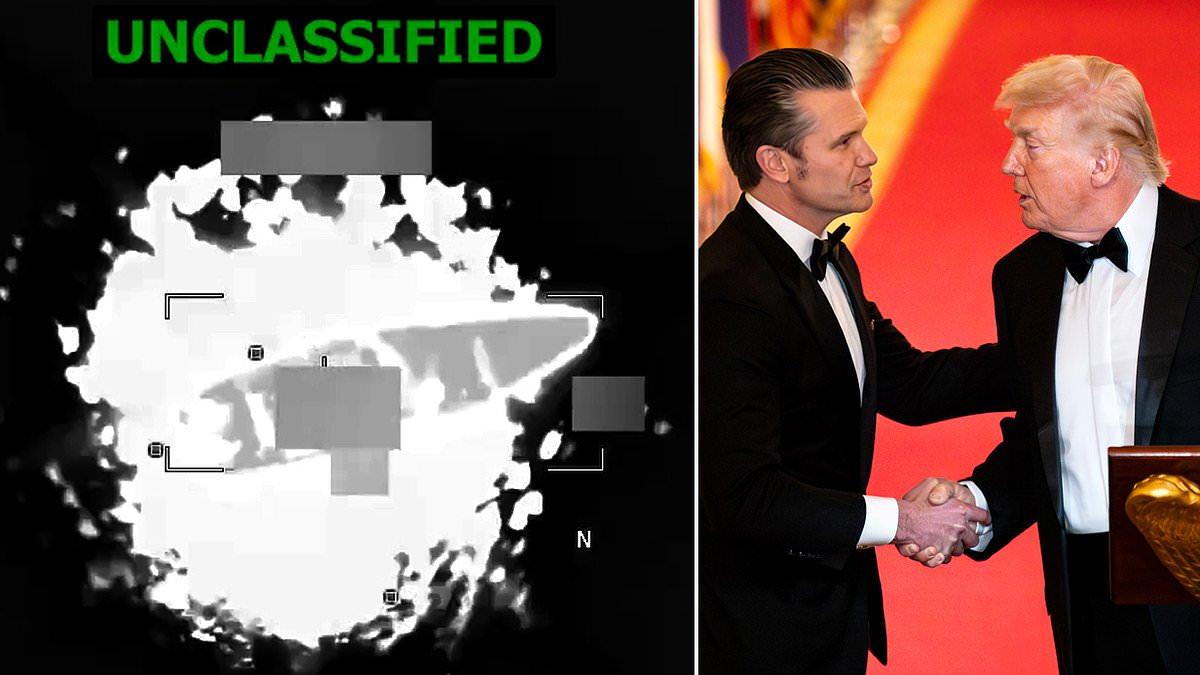
A U.S. military strike on a suspected drug-smuggling vessel in the Caribbean killed three people.
“The U.S. Southern Command said Monday on X that the U.S. military carried out ‘a lethal kinetic strike’ Feb. 23 on a suspected drug-smuggling vessel in the Caribbean, killing three suspected male narco‑terrorists.”
The U.S. Southern Command said the Feb. 23 strike was a "lethal kinetic strike" on a suspected drug-smuggling vessel that killed "three suspected male narco-terrorists."

SOUTHCOM said the action was executed by Joint Task Force Southern Spear under SOUTHCOM commander Gen. Francis L. Donovan and ordered by the Department of Defense.
Al Jazeera likewise reports a recent U.S. strike on an alleged drug-smuggling boat that killed three people and places the action within a broader bombing campaign, noting broader U.S. claims about the strikes' life-saving effects.
Mathrubhumi does not report details of the strike in the provided snippet and instead offers a site comment disclaimer, providing no independent detail for this incident in the material given.
U.S. strike campaign debate
U.S. officials framed the strike as one element of a wider effort against trafficking, while outside analysts and regional reporting raise questions about effectiveness and political motives. The U.S. military and SOUTHCOM presented the action as a deliberate, Department of Defense-authorized operation in a series of strikes.
Daily Express US reports that this action is part of nearly two dozen strikes on alleged trafficking boats in the Caribbean Sea and eastern Pacific since September 2025, with U.S. forces saying the campaign has killed more than 150 people. Al Jazeera records that Trump and other U.S. officials have claimed—without providing evidence—that each strike "saves thousands of overdose deaths," but notes analysts say it is unclear whether the bombing campaign has significantly affected the regional drug trade.
Media coverage of the strike
Al Jazeera situates the strike within broader regional politics that are absent from the U.S.-focused Daily Express US excerpt. Al Jazeera links the campaign to other provocative U.S. actions and to concurrent Mexican efforts to curb cartel violence. It notes the strikes persisted even after U.S. forces abducted Venezuelan President Nicolás Maduro early in 2026.
“The strike was executed by Joint Task Force Southern Spear under SOUTHCOM commander Gen. Francis L. Donovan and ordered by the Department of Defense.”
Al Jazeera says the latest attack coincided with Mexican moves after the killing of Jalisco New Generation leader Nemesio Rubén Oseguera Cervantes ("El Mencho"). The piece records U.S. accusations that some Latin American critics, such as Colombian President Gustavo Petro, have ties to the drug trade. Al Jazeera also mentions the December pardon of former Honduran President Juan Orlando Hernández.
The Daily Express US excerpt focuses narrowly on the strike’s execution and casualty count and does not include these geopolitical linkages. Mathrubhumi’s provided text contains only a comment disclaimer.
Coverage of U.S. strikes
U.S. statements and the Daily Express US excerpt use forceful, technical phrasing and label the deceased as suspects. Daily Express US quotes SOUTHCOM’s announcement, frames the operation as "a lethal kinetic strike", and relays official casualty and campaign tallies. Al Jazeera highlights the lack of evidence for some U.S. public claims and cites analyst skepticism.
Al Jazeera reports that Trump and other U.S. officials have claimed each strike saves thousands of overdose deaths. It notes the absence of evidence and analysts’ doubts about the campaign’s effect on drug flows. Mathrubhumi’s supplied content does not comment on these claims and instead reminds readers of comment rules, illustrating omission of narrative framing in that excerpt.
Strike coverage comparison
Taken together, the sources show agreement that three people were killed but disagreement or omission on context, scale, and effectiveness. The U.S. military and Daily Express US emphasize operational details and campaign tallies. Al Jazeera places the strike in a broader and contested geopolitical narrative and reports that U.S. claims of lives saved lack provided evidence.
“A recent US strike on an alleged drug-smuggling boat on Friday killed three people, part of a broader bombing campaign...Trump and other US officials, without providing evidence, have claimed each strike saves thousands of overdose deaths, but analysts say it’s unclear whether the campaign has significantly affected the regional drug trade.”
Mathrubhumi's provided excerpt offers no substantive reporting on the event. Because the sources disagree on impact and emphasize different facts, the overall effect is that the fatal strike is well attested. Its strategic value and regional political implications remain disputed or unreported in the excerpts available here.