USA01 December, 20253 min read
U.S. Military Kills Two Boat Survivors in Second Strike
This article is an automated aggregation of coverage from news outlets. Our editorials offer in-depth analysis curated by the NewsCord team.
Second strike killed two survivors clinging to debris after the initial attack White House says Adm. Frank Bradley ordered the follow-up strike, not Pete Hegseth
37 outlets told this the same way.
Outlets did split on Trump Interrupted by Protesters at San Antonio Rally for Ken Paxton →
Caribbean naval strike controversy
On Sept. 2, U.S. forces carried out a strike on a suspected drug-smuggling vessel in the Caribbean, and multiple reports say a follow-on attack later hit people who had survived the first strike.
“Initial reporting said the first strike killed nine people and two survivors from that attack reportedly prompted a second strike; other accounts put the death toll from the incident at 11.”
Initial accounts put the first strike's toll at nine dead and said two survivors from that attack reportedly prompted a second strike; other reporting put the death toll from the incident at 11, while broader coverage places the wider campaign's deaths at more than 80.

The contested two-strike episode has become the focal point for intense scrutiny because several news outlets and investigators say the second hit struck shipwrecked survivors visible in the water.
U.S. response to second strike
Senior U.S. officials and the White House have offered defensive public accounts while acknowledging that a second strike occurred.
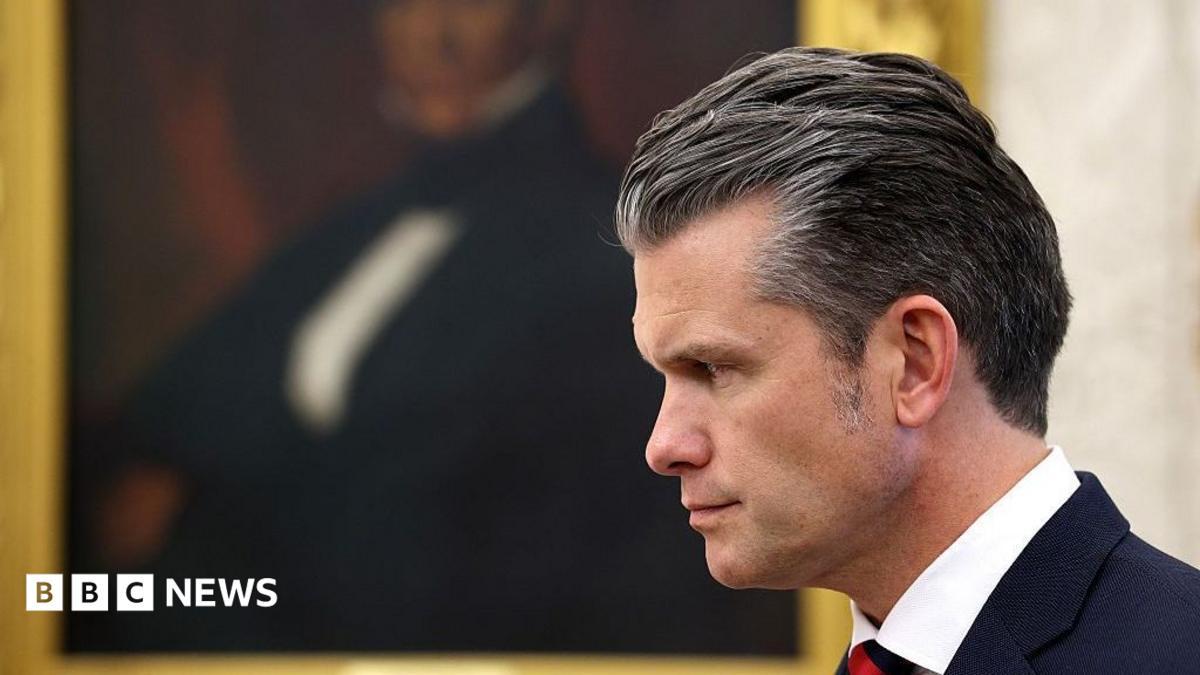
Defense Secretary Pete Hegseth said he 'did not personally see survivors,' defended the operation, and at times called critical reporting 'fake news' while invoking the 'fog of war.'

The White House confirmed there was a second strike, framed the action as lawful 'self-defense,' said Adm. Frank Bradley ordered the follow-on engagement within his authority, and the Pentagon pushed back on some press accounts as false.
Officials emphasized the actions were tied to a campaign the administration describes as necessary to stop lethal drugs and disrupt narcotics networks.
Legal scrutiny of strikes
Legal and military law experts, former JAG officers, and human rights advocates have warned that deliberately targeting shipwrecked or otherwise helpless people could violate the laws of armed conflict and may amount to a war crime. Al Jazeera reports that legal experts dispute the legality of a strike that killed shipwrecked survivors, calling it potentially extrajudicial and a war crime.
“Legal experts dispute the legality of a strike that killed shipwrecked survivors, calling it potentially extrajudicial and a war crime because shipwrecked persons are protected unless they pose an imminent threat.”
ABC News notes critics argue that killing survivors who could be rescued may violate the laws of war and could amount to a war crime. NPR records a former JAG saying Hegseth's actions were highly questionable and that official legal justifications raise hard questions about whether the campaign is being treated as a war without normal congressional oversight.
Lawmakers demand evidence
Congressional oversight and demands for evidence have been swift and bipartisan. House and Senate armed-services committees have opened reviews and requested audio and unedited video to determine who ordered the second strike and whether rules of engagement were followed. Al Jazeera reports lawmakers have demanded 'a full accounting,' including audio recordings and other evidence.
CNN reports Senate panels expect full access to audio and video. Time notes that some senators are skeptical of anonymous reporting even as they seek records.

Investigators flagged missing video as a critical issue. Lawmakers from both parties warned the episode could prompt subpoenas, classified briefings, and broader policy questions about the campaign's legal basis.
Media coverage differences
Reporting diverges by outlet type: West Asian and human-rights-oriented outlets foreground legal and international-law implications and stress the need for full evidence. Western mainstream outlets focus on the domestic political fallout, official denials, and oversight, while alternative or independent outlets emphasize patterns and policy implications and warn about normalization of lethal counter-narcotics tactics.
“News outlets reported that US troops were reportedly ordered to kill everyone aboard suspected drug-running vessels. The Washington Post and CNN say the directive came from Hegseth; the Post adds that on Sept. 2 the US military carried out a follow-up strike after personnel saw two survivors from an earlier attack, and that protocols were subsequently changed to mandate rescuing survivors.”
For example, WION and Fox highlight disputes over whether Hegseth ordered the strike, Swikblog and Substack warn about a trend toward militarizing counter-narcotics and possible extrajudicial killings, and Al Jazeera and TRT World underscore expert legal misgivings and calls for accountability. The net effect is a contested narrative where facts — who fired, who saw survivors, which recordings exist — remain disputed and where source type strongly shapes emphasis and tone.