USA · 19 August, 2026 · 3 min read
US Military Runs Strait of Hormuz Oil Corridor, Moving 10 Million Barrels Daily
U.S. covertly operates a Hormuz oil corridor moving about 10 million barrels daily. Analyses show the U.S. Navy expanding control of Hormuz while Iran loses grip.
17 outlets told this the same way.
2 of 3 outlets skipped it: iraq asks for special status for Hormuz exports.
17outlets compared
US corridor through Hormuz
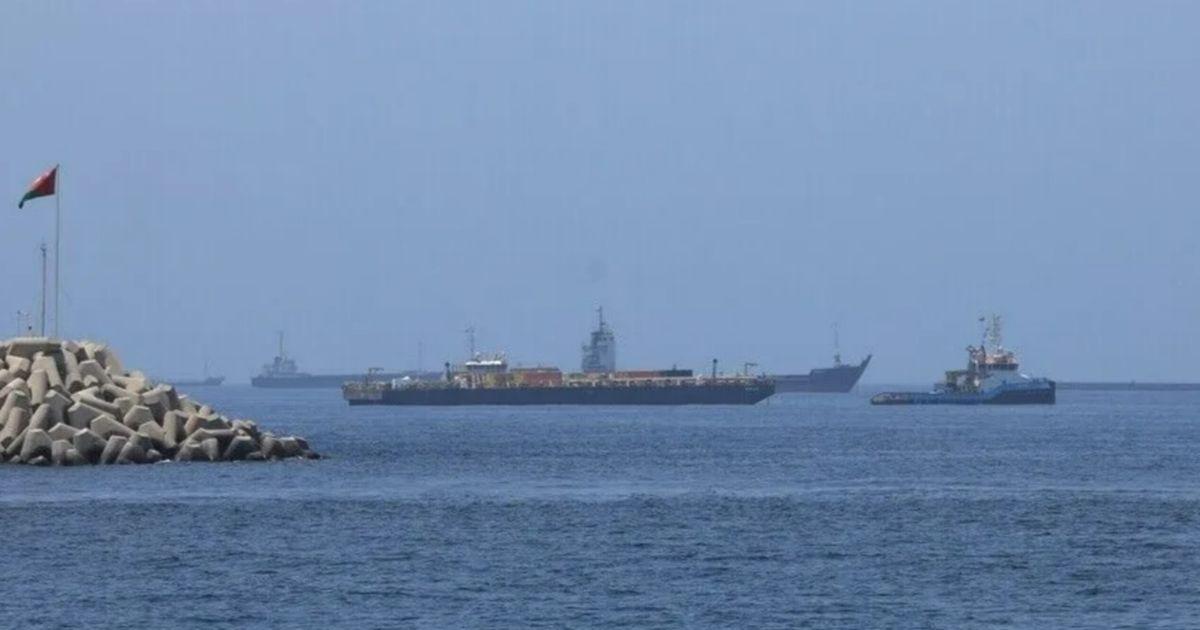
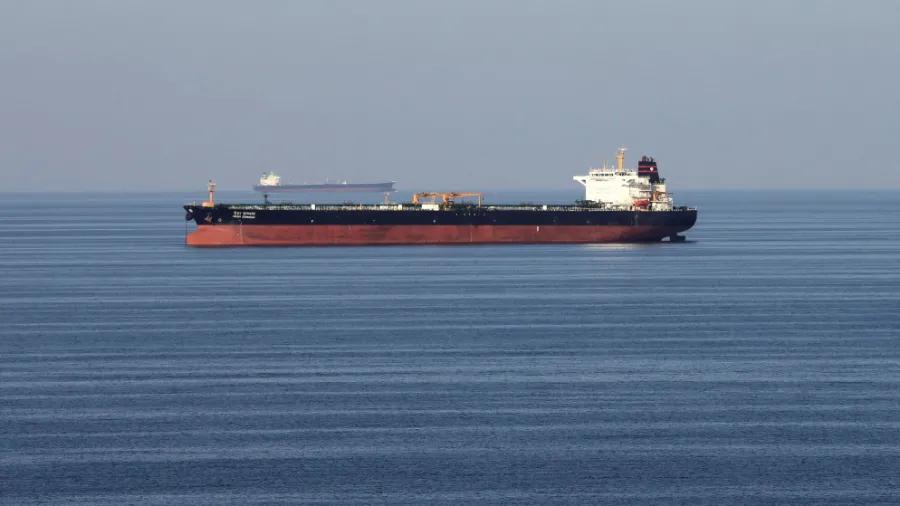
The US military has quietly run a shipping corridor through the Strait of Hormuz for weeks, moving about 10 million barrels of oil a day out of the Gulf via a southern channel off Oman, according to Axios as cited by investingLive. The corridor operates at night with 15 to 20 tankers transiting in coordinated inbound and outbound convoys guided by US military direction, while officials said daily oil exports moving through the channel are now close to 10 million barrels, roughly half of pre-war volumes. The operation also involves escorting loaded outbound tankers and guiding empty tankers into the Gulf so they can load oil from regional producers before exiting through the southern channel.
A task force based at Fort Bragg in North Carolina coordinates nightly convoy scheduling, and a two-week US Central Command campaign degraded Iran's radar and maritime surveillance capability, leaving Tehran with limited means to track shipping in the channel. investingLive also said US Air Force jets intercepted attacks on tankers, including eight drones and two cruise missiles shot down in a single recent incident, as the broader conflict with Iran remains at a stalemate.
Trump, the Army, and ships
The U.S. Army said the United States helped more than 1,000 ships pass through the Strait of Hormuz, as reported by عاجل and attributed to The New York Times.
In the same report, U.S. President Donald Trump announced that many ships crossed the Strait of Hormuz last night, and the article says Trump reiterated that oil prices would fall significantly after the Iran crisis ends.

عاجل also states Trump confirmed that Iran could not be allowed to possess a nuclear weapon, adding that they would use it.
In parallel, Anadolu Ajansı reported that oil prices rose about 1% on Wednesday after Trump called for halting talks with Iran and reiterated the maritime blockade on it in the Strait of Hormuz.
Anadolu Ajansı quoted market levels including Brent crude at $91.90 per barrel and US oil at $81.60, with U.S. crude futures climbing about 1.05% to around $85.80 per barrel by 11:00 UTC.
Control claims and market risk
CNN analysis cited by Euronews and CNN Arabic said more than 80% of liquid cargo shipments through the Strait of Hormuz in the past two weeks used the Oman route, a UN-approved shipping passage that Tehran strongly opposes.
“Iran has ‘lost, at least partially, control of the strait.’”
Euronews also quoted Hooman Flakesheh, head of crude oil analysis at Kpler, saying the indicators increasingly suggest that Iran has "lost, at least partially, control of the strait."
At the same time, CNN Arabic said the evidence shows the United States, which is patrolling the strait with naval patrols, is gaining new ground while Iran is losing a large portion of its hold, and it included the line: "It increasingly appears that Iran has lost control of the strait, even if only partially."
Negocios reported that Trump published a map on Truth Social marking the bottleneck as “NEW U.S. Territory,” and it said Iranian Deputy Foreign Minister Kazem Gharibabadi called the claim a “delirium.”
Negocios added that before the war, in the fourth quarter of 2025, Hormuz carried about 21.6 million barrels per day of oil and liquid products, while in the second quarter of 2026 that volume had fallen to barely 4.9 million, underscoring how the dispute over control feeds into energy risk.