Full story
Strikes and blockade restart
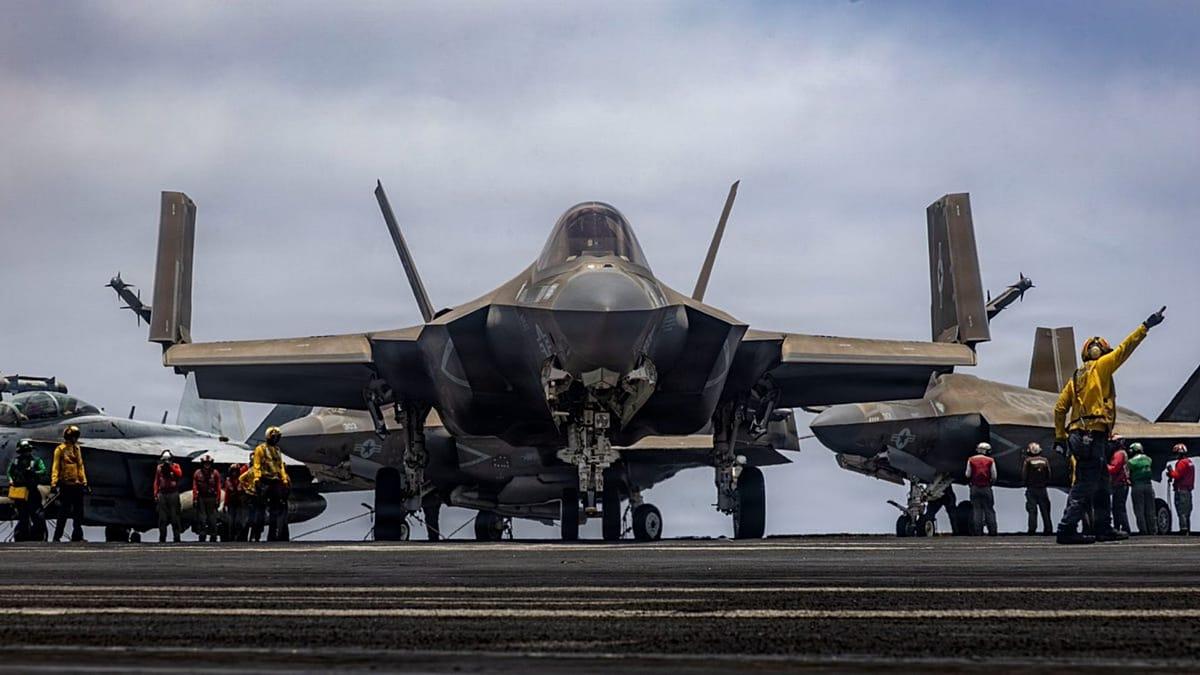
The U.S. military began another round of strikes against Iran on Monday, after U.S. President Donald Trump said the United States was “reinstating” a blockade on Iran in the Strait of Hormuz and would charge other ships for safe passage.
U.S. Central Command said the latest wave of strikes would “continue imposing a heavy cost on Iranian forces and degrade their ability to attack innocent civilians and commercial shipping in the Strait of Hormuz,” and CBS News reported Trump told Fox News the U.S. was “going to keep the Strait” of Hormuz.
U.S. Central Command said the U.S. military will resume its blockade of Iranian ports on Tuesday at 4 p.m. EDT, while ABC News reported the blockade would resume on July 14 at 4 p.m. ET and that CENTCOM would enforce it against vessels transiting to or from Iranian ports and coastal areas.
The exchanges of fire were described as escalating doubt over an interim peace deal reached last month, and AP News said the U.S. lifted a blockade from mid-April as part of that deal that also called for the strait to be fully reopened.
CBS News added that Iran declared the Strait of Hormuz closed until “stability and calm are restored,” as oil prices spiked with Brent crude trading at just over $83 per barrel for September deliveries and West Texas Intermediate trading at $78 per barrel for August deliveries as of 5 p.m. ET.
Fees, rhetoric, and responses
Trump told reporters the U.S. would impose a 20% fee on cargo shipped through the Strait of Hormuz, and CNBC quoted him saying, “We're attacking them tonight, and we're taking out all of their capability for anything having to do with the strait.”
CNBC also reported Trump wrote that the strait is “OPEN, and will remain OPEN, with or without Iran,” and that all countries other than Iran will “have fair and open use of the Strait.”

Iran’s foreign minister Abbas Araghchi responded in an X post that “POTUS is absolutely right. Whoever provides secure and safe passage of commercial vessels through the Strait of Hormuz should be compensated for this service,” while adding “20% is of course too much. We will be fair.”
Al Jazeera quoted former NATO analyst Patrick Bury saying Trump’s push for a naval blockade and a 20% tariff would require a “huge military operation,” framing it as a “massive force problem.”
The International Maritime Organization said after Trump’s post that it “stands firmly against charging fees for passage through straits used for international navigation,” and CNBC reported the organization added there is “no legal basis” for mandatory tolls to transit a strait.
Congress, markets, and next moves
CBS News said Trump formally notified Congress that “military action” against Iran “commenced on July 7,” and the letter dated July 10 added that U.S. Armed Forces “remain postured to take further action, as necessary and appropriate.”
AP News reported Trump announced the U.S. would resume its blockade of Iranian ports on Tuesday at 4 p.m. EDT, and it described the move as escalating a struggle for control over the critical waterway after mutual attacks in recent days.
CBS News reported Trump promised at least two more rounds of strikes, and it said he told Hugh Hewitt the U.S. would “take out” Pickaxe Mountain, a deeply buried site analysts believe could be part of Iran's nuclear program.
AP News also said the U.S. launched several waves of heavy strikes on Iran into Monday morning, hitting some 140 targets, over an Iranian attack on a container ship in the Strait of Hormuz.
In the same reporting stream, CBS News said Iran declared the Strait of Hormuz closed until “stability and calm are restored,” while oil prices climbed and Brent crude was trading at just over $83 per barrel for September deliveries as of 5 p.m. ET and WTI at $78 per barrel for August deliveries.