USA31 December, 20252 min read
U.S. Military Strikes Smuggling Convoy Off South America, Kills At Least Three
This article is an automated aggregation of coverage from news outlets. Our editorials offer in-depth analysis curated by the NewsCord team.
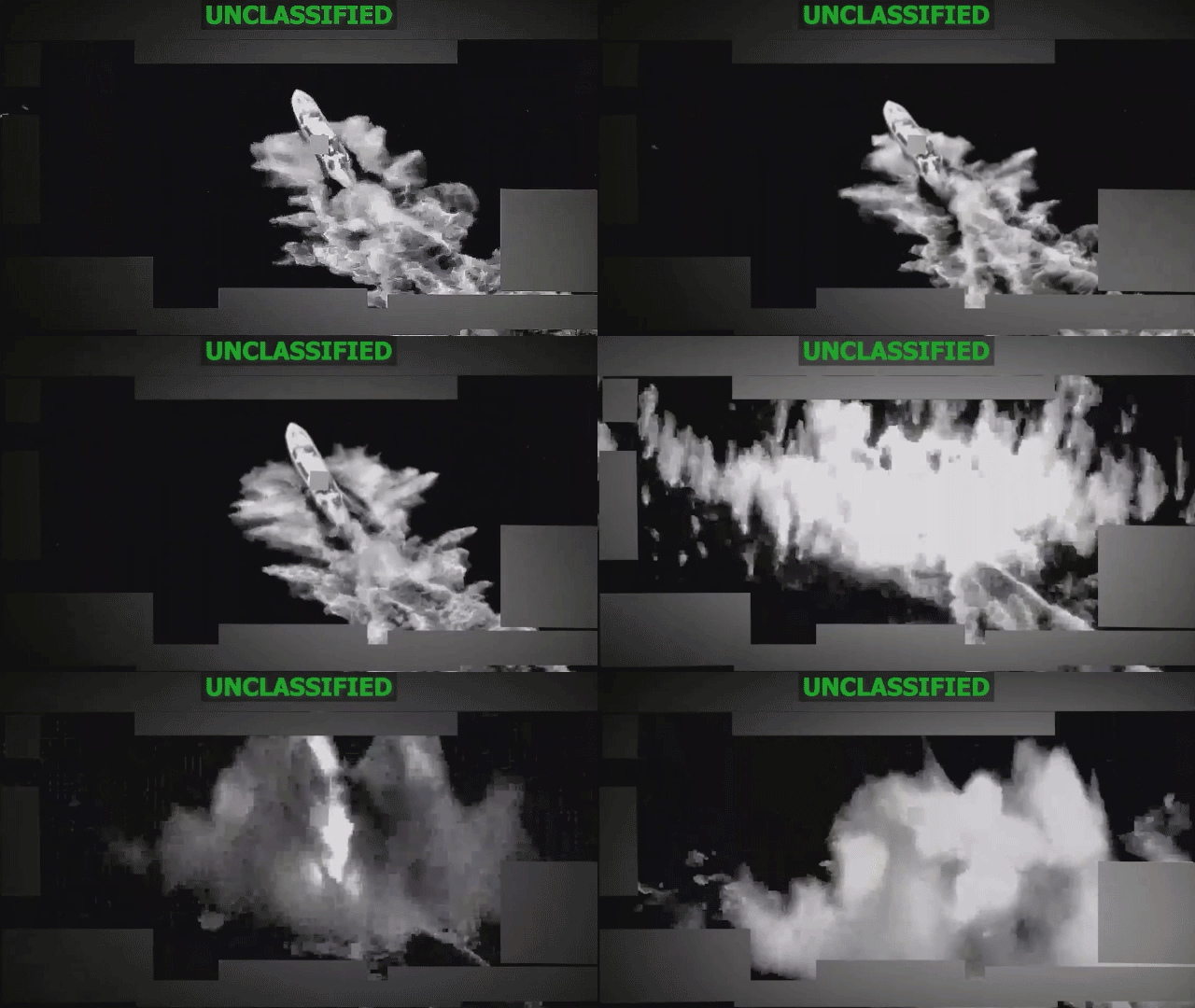
U.S. forces struck three vessels in international waters off South America on December 30, 2025. Three people were killed aboard one of the targeted vessels.

8 outlets told this the same way.
U.S. strikes on drug boats
On December 30, U.S. forces carried out air strikes on three vessels described by U.S. Southern Command as narco-trafficking vessels traveling as a convoy.
“U.S. Southern Command said three ‘narco‑trafficking’ vessels traveling as a convoy were struck in international waters; the first strike killed three people, bringing the estimated death toll in the months‑long U.S. campaign against alleged drug smugglers to at least 110.”
The strikes killed three people — all reportedly aboard a single boat — in international waters as part of a months-long campaign that officials say has targeted more than 30 boats since September and has been blamed for at least 110 deaths.
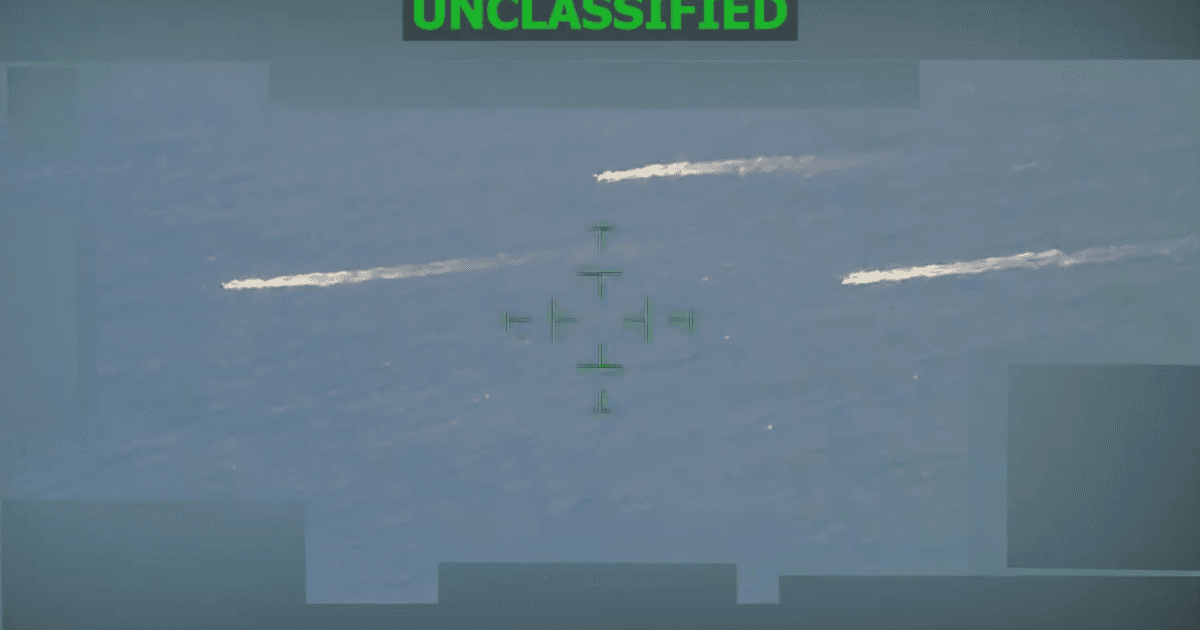
Southern Command and mainstream outlets reported that the strikes occurred in international waters and that the Coast Guard was searching for survivors.
U.S. officials described the actions as part of an effort to curb drug trafficking along known narcotics routes.
The strikes were presented by U.S. authorities as both law-enforcement and pressure operations tied to broader measures against Venezuela.
U.S. maritime strike controversy
The strikes are part of a larger, months‑long U.S. campaign that multiple outlets report has targeted at least 30–34 vessels since September and is blamed for roughly 110 deaths. That campaign has drawn mounting criticism over the handling of survivors, the legality of follow‑on strikes, and calls for accountability. Reporting across CBS, CNN, SSBCrack and Daily Mail highlights a particularly controversial September 2 incident where a follow‑up strike was reported to have killed two survivors.
Later episodes involved some survivors being briefly held on U.S. ships before being repatriated, while others remain missing and are presumed dead. Critics, including congressional Democrats and legal experts, have questioned whether the strikes were properly authorized and whether follow‑on attacks on survivors violated international law.

U.S. campaign against Venezuela
U.S. officials and the Trump administration frame the campaign as an effort to curb drug trafficking and to pressure Venezuelan leader Nicolás Maduro. Measures range from expanded naval deployments and a blockade on sanctioned tankers to sanctions on shipping firms and, by some accounts, covert actions. Officials have pointed to narcotics transit on western routes and said strikes were aimed at known smuggling practices.
“The current U.S. administration frames the operations as efforts to curb drug trafficking and to pressure Venezuelan leader Nicolás Maduro; officials say they will keep up the pressure.”
President Trump publicly described strikes on facilities tied to smuggling. Venezuela's government has pushed back, with Maduro calling the operations "psychological terrorism," and Venezuela's National Assembly passed laws criminalizing support for what it terms piracy or blockades.
Legal and diplomatic concerns
The strikes have prompted legal and international relations concerns that vary across reporting. Several outlets cite legal experts and congressional Democrats questioning whether the strikes were properly authorized by Congress. Outlets also question whether follow‑on attacks on survivors could violate international law.
Some stories explicitly use the language of possible war crimes, while others report the allegations more cautiously. Venezuela’s government has responded politically and legally, with Maduro denouncing the operations and the National Assembly approving laws imposing severe penalties on those seen as supporting blockades or 'piracy'. The incidents have also been linked in reporting to wider U.S. measures — sanctions on shipping firms, a naval buildup in the Caribbean, and disputed reports of CIA activity — which critics say risk heightening regional tensions.