Syria13 February, 20262 min read
US Military Transfers More Than 5,700 Adult Male Islamic State Detainees From Syria to Iraq
This article is an automated aggregation of coverage from news outlets. Our editorials offer in-depth analysis curated by the NewsCord team.
U.S. military began moving IS detainees from Syrian prisons on Jan. 21. Reports conflict on totals: CENTCOM says >5,700; Iraqi ministry says 5,064.
8 outlets told this the same way.
Outlets did split on Asad Al-Shaibani Meets Saddam Haftar in Benghazi Over Syrian Consulate And Missing Syrians →
Islamic State detainee transfers
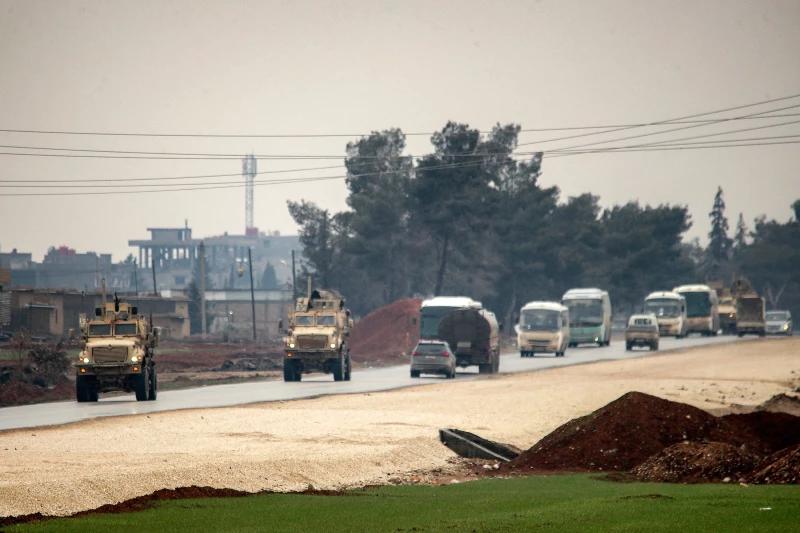
U.S. forces moved a large group of Islamic State suspects from northeastern Syria into Iraqi custody at Baghdad's request, with U.S. military escorts overseeing the relocations.
“U.S. forces recently moved more than 5,700 adult male suspected Islamic State members from detention facilities in northeastern Syria to Iraqi custody at Baghdad's request.”
Arkansas Online reported the move as "more than 5,700 adult male suspected Islamic State members," saying the transfers were carried out over about three weeks with U.S. military escorts and that the action was welcomed by the U.S.-led coalition.

The Northwest Arkansas Democrat-Gazette similarly reported that "U.S. forces transported more than 5,700 adult male Islamic State suspects" and cited Iraq’s National Center for International Judicial Cooperation on the transfers.
Al Jazeera provided a lower official Iraqi figure, saying Iraq "has taken custody of more than 5,000 ISIL-linked detainees — 5,064 according to Justice Ministry spokesman Ahmed Laibi."
Marketscreener reported that Iraq began moving detainees on Jan. 21 and expects to transfer about 7,000 in total.
The sources disagree on the total number transferred, with reported figures of 5,064, more than 5,700, and an expected about 7,000.
Iraq detainee repatriation
Iraq and reporting outlets described the detainees as a multinational population and said Baghdad is negotiating repatriations with other states while seeking funding to hold them safely. The Northwest Arkansas Democrat-Gazette and Arkansas Online said the detainees came from 61 countries and were mostly Syrian or Iraqi but included Europeans, Australians, Canadians and Americans.
Al Jazeera said the Justice Ministry put Syrians at over 3,000 and Iraqis at at least 270 and noted Baghdad is negotiating repatriation with other countries and needs more funding. Marketscreener also said Baghdad is negotiating repatriation and warned that European states are more reluctant because of legal risks.

Detainee transfers in northeast Syria
Reporters describe the transfers as linked to a shifting security and political landscape in northeast Syria.
“The transfers follow U.S.-led relocations out of Kurdish-led SDF facilities as the Syrian government reasserted control of areas in northeast Syria — a process that triggered clashes, some jailbreaks and a later ceasefire.”
Al Jazeera frames the relocations as following U.S.-led relocations out of Kurdish-led SDF facilities and as occurring as the Syrian government reasserted control, a process that triggered clashes, jailbreaks and later ceasefires.
Arkansas Online and Northwest Arkansas focus more narrowly on the mechanics, describing U.S. forces and Kurdish-led SDF-run prisons handing over detainees with U.S. military escorts over roughly a three-week period.
Marketscreener adds a timeline detail, saying transfers began on Jan. 21.
Security and legal concerns
The transfer drew contrasting emphasis on security needs versus legal and human-rights concerns.
CENTCOM commander Adm. Brad Cooper is quoted by Arkansas Online and the Northwest Arkansas Democrat-Gazette calling Iraq’s action "essential to regional security."

Marketscreener relays Iraqi warnings of an uptick in IS activity across the border.
Al Jazeera reports detainees are being held "in a separate section to be investigated and prosecuted under Iraqi law."
Lawyers for some French detainees allege torture in Iraqi custody, highlighting the legal and human-rights concerns that accompany the security rationale.