Full story
Price tag rises in hearing
Defense Secretary Pete Hegseth told lawmakers that the U.S.-Iran war has cost about $37.5 billion so far, as the Trump administration sought tens of billions of dollars in additional Pentagon funding.
Hegseth said the figure represents some costs that will be incurred through the end of the fiscal year on Sept. 30, and CBS News reported that a Pentagon official had testified in mid-May that the war had cost about $29 billion at that point.

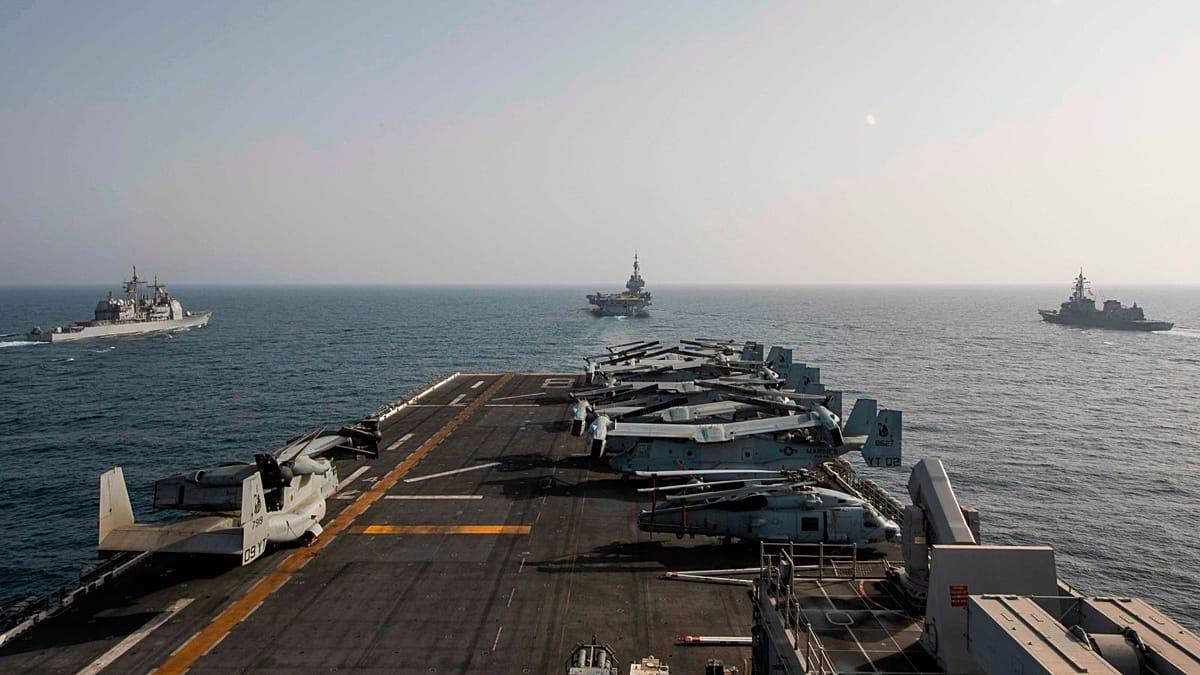
The hearing came as the U.S. and Iran traded nightly strikes for over a week, and CBS News said Iran struck several commercial vessels in the Strait of Hormuz, ending a shaky ceasefire between the two countries.
CBS News also reported that Hegseth and Gen. Dan Caine detailed a supplemental funding request for $67 billion to help cover the cost of the Iran conflict and replenish crucial military supplies, while the administration also asked for $1.5 trillion on top of that for the next fiscal year.
In parallel, Firstpost said the $37.5 billion estimate was nearly $8 billion higher than the Pentagon’s previous assessment in May, and it described Democrats pressing for answers as the conflict escalates.
Democrats press for answers
Senate Democrats used the hearing to challenge the war’s direction and cost, with Patty Murray warning that the conflict could become “another forever war” as she criticized the request for more money.
Murray said, “This war is now spiralling out of control again,” and CBS News reported that Democrats “vehemently criticized the Trump administration's Iran strategy” during the session.

Hegseth defended the funding request as necessary, telling senators, "Without these funds, we face critical shortfalls," and he warned it would threaten the defense department’s ability to “pay our service members, rapidly replenish equipment and munitions, and sustain vital operations without disruption.”
The Guardian reported that Murray also demanded Hegseth explain what the war had actually achieved, saying “We hear a different rationale for this war every few days,” as the justification shifted from pre-empting threats to reopening the Strait of Hormuz.
In the same hearing, Hegseth clashed with senators including Gary Peters, and NewsNation quoted Peters saying, “without a clear winning strategy, we’re at risk of being in another forever war that will put our servicemembers in continued harm’s way.”
Readiness, stockpiles, and risk
Beyond the price tag, lawmakers and officials focused on what the supplemental money is meant to prevent, including cuts to training and maintenance if Congress does not act.
The Hill reported that Hegseth said the first casualty of dwindling Pentagon funding would be training, warning that “There is training — training right now and training in the future — that would have to be curtailed if we do not get our budget needs met and met urgently.”
Anadolu Ajansı said the Pentagon’s funding strain had already forced the military to scale back training and maintenance that support readiness, and it cited a Washington Post report that key military accounts were expected to run dry within weeks.
The Hill also described Gen. Dan Caine arguing that the supplemental request was crucial to maintaining weapons stockpiles, and it quoted Caine saying, “If we don’t, as a team, figure out how to properly fund the department, and you know, we’re not going to get the munitions.”
In the background of the budget fight, DW reported that explosions were heard in Tehran for the first time since the latest escalation, after a 60-day ceasefire fell apart on July 8, while the U.S. began an 11th consecutive night of strikes aimed at further reducing Iran’s ability to threaten commercial shipping in the Strait of Hormuz.