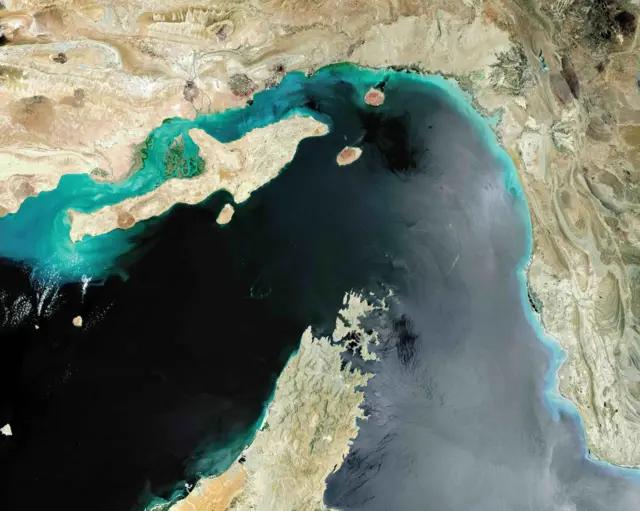
US Navy Begins Clearing Iranian Mines in Strait of Hormuz Amid Iran Threats
Key Takeaways
- Two U.S. destroyers transited the Strait of Hormuz to begin mine-clearing operations.
- CENTCOM says additional forces, including underwater drones, will join the clearance in coming days.
- Iran denied the transit and warned of consequences.
US Warships Transit Hormuz
Two U.S. Navy guided-missile destroyers transited the Strait of Hormuz to begin clearing Iranian-laid mines.
“The United States military command that oversees the Middle East (CENTCOM) has said that two of its ships have travelled through the Strait of Hormuz, a claim swiftly denied by Iran”
CENTCOM commander Admiral Brad Cooper announced a new passage to encourage the free flow of commerce.

Iran's military strongly rejected Washington's claims and warned any attempt by military vessels would be dealt with severely.
The transit came as U.S. and Iranian negotiators held face-to-face talks in Pakistan.
Iran Denies Transit
Iranian military spokesperson said the initiative for passage lies with the armed forces of the Islamic Republic of Iran.
The Revolutionary Guards' Navy Command said passage would only be granted to civilian vessels under specific conditions.

The IRGC challenged the Navy destroyers, issuing a last warning.
Maria Sultan said if Iranians do not give safe passage, it’s impossible for the American military fleet to move freely.
Mine-Clearing Technology
CENTCOM announced that additional U.S. forces, including underwater drones, would join the clearance effort.
“The Navy plans to use underwater drones in the coming days as part of its new effort to clear Iranian mines from the Strait of Hormuz, U”
The Navy plans to use underwater drones such as the Knifefish.
The Navy has replaced its legacy Avenger-class minesweepers with Littoral Combat Ships.
Three LCS had departed the Persian Gulf ahead of the strikes.
Peace Talks and Strategic Stakes
The transit occurred amid U.S.-Iran negotiations in Islamabad.
The talks represented the highest-level meetings since the Islamic revolution in 1979.

The talks collapsed after 21 hours, with Iran rejecting the final offer.
The Strait of Hormuz remained a major point of contention.
More on Iran

US-Iran Talks Fail in Islamabad as Iran Refuses to Renounce Nuclear Weapons
15 sources compared

US-Iran Peace Talks Fail as Iran Rejects Nuclear Weapon Ban in Islamabad
54 sources compared

U.S. And Iran Fail To Reach Peace Deal After 21 Hours Of Talks In Pakistan
11 sources compared

US Navy Clears Mines and Establishes New Route in Strait of Hormuz
26 sources compared