
US-Iran Talks Fail in Islamabad as Iran Refuses to Renounce Nuclear Weapons
Key Takeaways
- U.S. and Iran failed to reach a deal after 21 hours in Islamabad.
- Iran refused to renounce developing a nuclear weapon.
- Disagreements centered on two or three major issues preventing agreement.
Talks End Without Deal
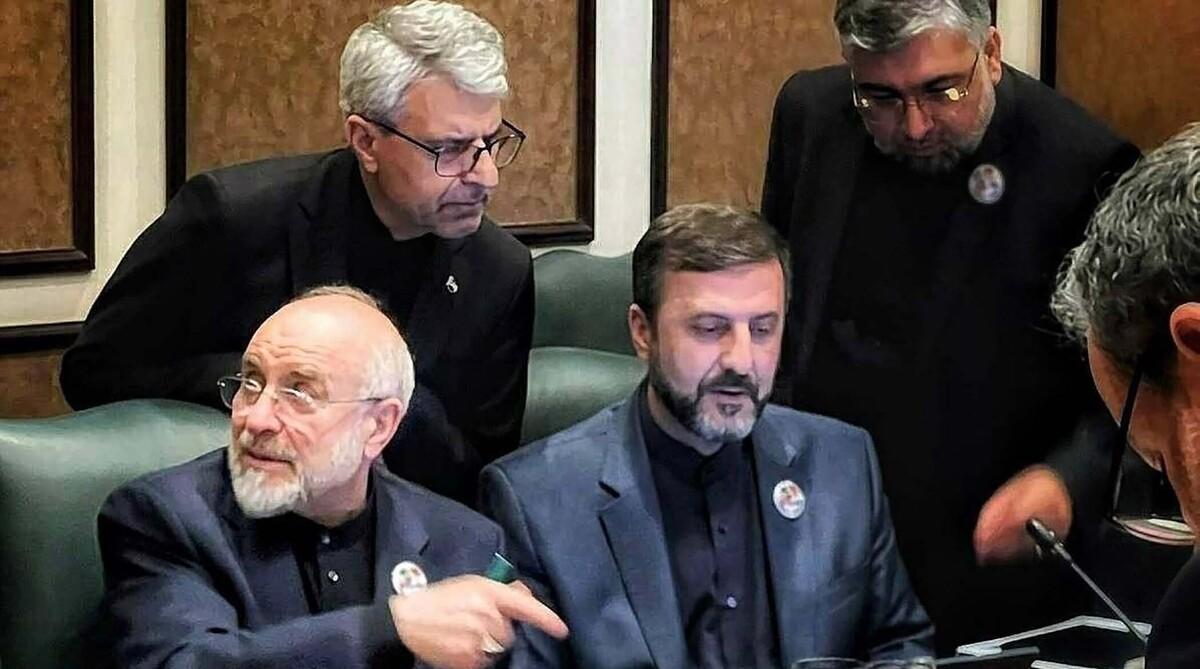
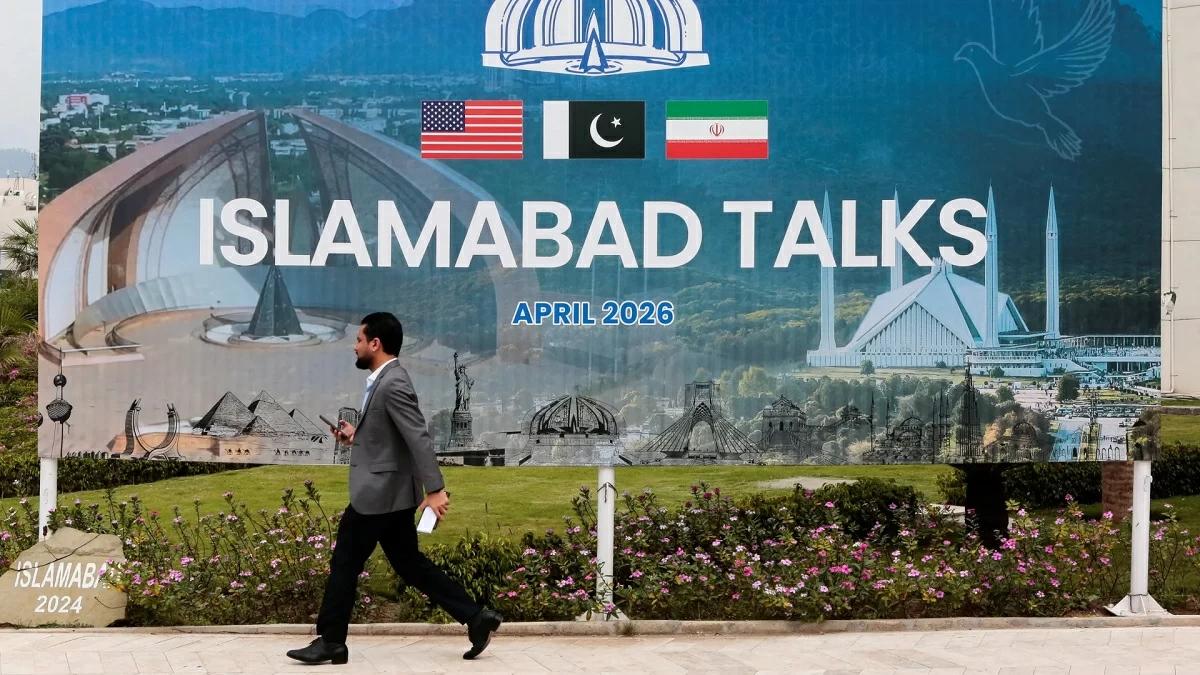
After 21 hours of marathon negotiations in Islamabad, the United States and Iran failed to reach an agreement to end the war.
“Breaking News Click to pause breaking news tickerpause-simpleClose Breaking News Tickerclose-prominent Iranian media say US looking for excuse to leave talksVance says no deal with Iran reached, US has made 'our best and final offer' Click to pause breaking news tickerpause-simpleClose Breaking News Tickerclose-prominent Toggle Play Why did US-Iran talks end without an agreement in Pakistan”
Vice President JD Vance announced that the bad news was that we have not reached an agreement.

The key sticking point was Iran's unwillingness to give up its pursuit of nuclear weapons.
Iran's foreign ministry spokesperson said there was no expectation of a deal in one session.
Pakistan's foreign minister urged both sides to continue to uphold the ceasefire.
Divergent Death Toll Reports
The death toll from the conflict remained a point of contention.
The U.S.-based rights group HRANA put the total number of people killed at almost 3,400.

More than 2,000 people had been killed in Lebanon, and 23 people had died in Israel.
Thirteen U.S. service members had been killed, and two more died of noncombat causes.
The talks took place amid a fragile ceasefire that was made even more shaky by Israel's continued strikes on Lebanon.
Strait of Hormuz and Energy
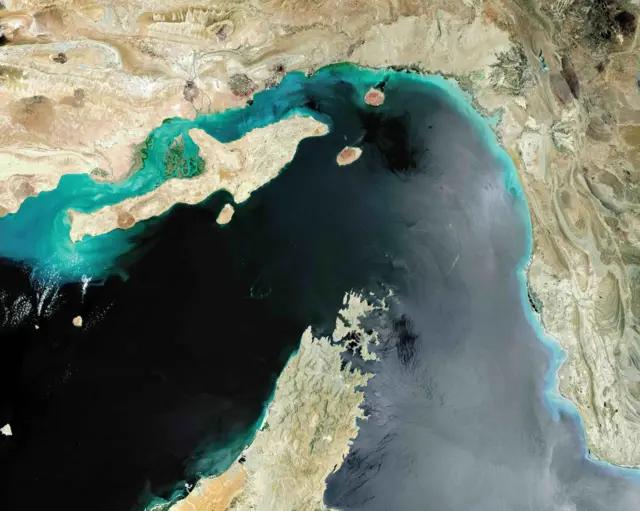
The Strait of Hormuz remained a critical issue.
“Jacob Phillips Live reporter Arrivals allay uncertainty As roads in Islamabad, Pakistan, were cleared and security increased on Friday, there was still uncertainty about whether US-Iran peace talks would go ahead at all”
Iran demanded the right to control the strait.
The U.S. began mine-clearing operations to reopen the key shipping lane.
Saudi Arabia restored its East-West oil pipeline to full capacity.
The economic impact of the war was felt globally.
Pakistan's Mediatory Role
Pakistan played a central mediatory role throughout the process.
Prime Minister Shehbaz Sharif had called for an immediate ceasefire.

The Pakistani foreign minister and military chief greeted the Iranian delegation.
After the talks ended, Ishaq Dar expressed deep gratitude to Iran and the U.S.
Pakistan hopes the two sides continue with a positive spirit.
More on Iran
US Navy Begins Clearing Iranian Mines in Strait of Hormuz Amid Iran Threats
15 sources compared

US-Iran Peace Talks Fail As Iran Rejects US Terms After 21-Hour Islamabad Meeting
47 sources compared
U.S. And Iran Fail To Reach Peace Deal After 21 Hours Of Talks In Pakistan
11 sources compared
US Navy Clears Mines and Establishes New Route in Strait of Hormuz
26 sources compared