
US-Iran Peace Talks Fail as Iran Rejects Nuclear Weapon Ban in Islamabad
Key Takeaways
- 21-hour Islamabad talks ended without a deal between the US and Iran.
- Iran rejected US terms, including bans on developing nuclear weapons.
- Iran's delegation left Pakistan as negotiations collapsed.
Peace Talks Collapse
The US-Iran peace talks in Islamabad ended without an agreement after 21 hours of negotiations.
Vice President JD Vance said the key sticking point was Iran's refusal to agree not to develop a nuclear weapon.
The Iranian delegation said they did not trust the US side due to the experiences of the two previous wars.
Various Iranian state media cited excessive US demands as the reason for the breakdown.
The talks were the first direct US-Iranian meeting in more than a decade.
Pakistani Foreign Minister Ishaq Dar said his country will try to facilitate a new dialogue in the coming days.
Strait of Hormuz Tensions
The Strait of Hormuz remained a central issue throughout the talks.
Three supertankers passed through the strait on April 11, marking the first vessels to exit the Gulf since the ceasefire.
Each tanker carries about 2 million barrels of oil.
After the talks collapsed, two tankers attempted to pass but retreated at the last moment.
The US Central Command said forces began setting conditions for clearing mines in the strait.
Trump warned Iran to end the Strait of Hormuz crisis one way or another.
Divergent Narratives
The US and Iranian sides offered starkly different narratives about the talks.
The Iranian delegation arrived dressed in mourning for the late Supreme Leader Khamenei.
They carried shoes and bags of students killed during a US bombing of a school.
The Guardian reported that the talks were the first direct US-Iranian meeting in more than a decade.
Macron stressed the need for Iran to quickly restore freedom and security of navigation in the Strait of Hormuz.
Bezhkian accused the US of violating previous agreements.
Stakes and Consequences
The failure to reach an agreement leaves the two-week ceasefire hanging in the balance.
The Strait of Hormuz remains effectively closed to most commercial shipping.

Hundreds of tankers are still stuck in the Gulf.
The Guardian noted that European fashion retailers are facing fresh questions over supply chain oversight.
The Dhaka Tribune reported that Rahman was being questioned about allegations that the factory's emergency exits had been welded shut.
More on Iran
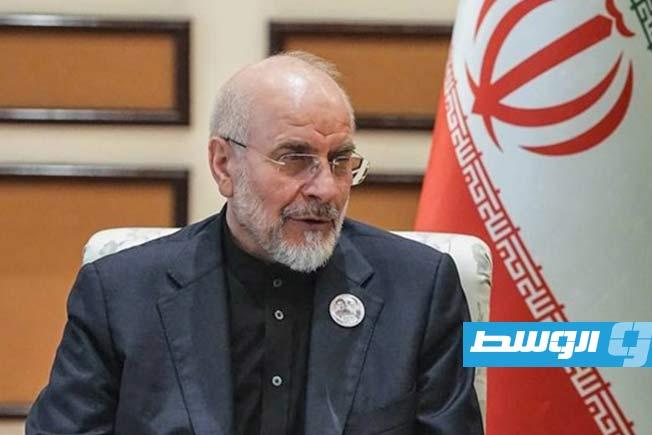
Iran's Ghalibaf Says US Failed to Gain Trust in Islamabad Talks
24 sources compared

US-Iran Talks Fail Over Strait of Hormuz, Uranium, and Frozen Funds
22 sources compared
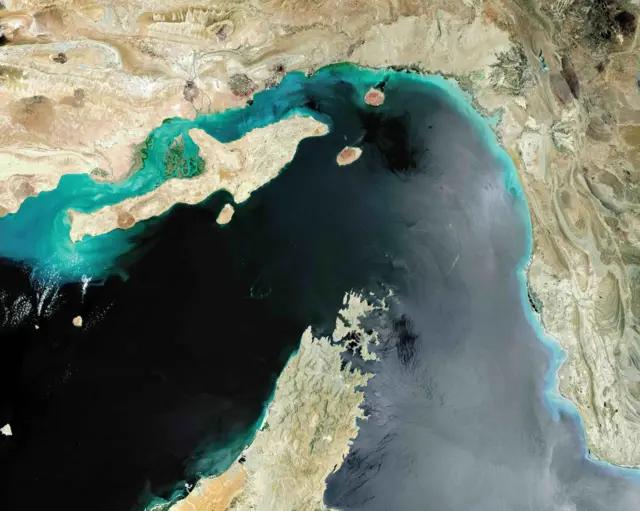
US Navy Begins Clearing Iranian Mines in Strait of Hormuz Amid Iran Threats
15 sources compared

US-Iran Talks Fail in Islamabad as Iran Refuses to Renounce Nuclear Weapons
15 sources compared