
U.S. Navy Destroys Iran’s Shahed-139 Drone Approaching USS Abraham Lincoln in Arabian Sea
Key Takeaways
- An Iranian drone near the USS Abraham Lincoln was shot down by U.S. forces.
- The event occurred amid rising U.S.-Iran tensions and carrier operations in the Arabian Sea.
- Outlets describe the incident as part of broader escalation between the U.S. and Iran.
Drone Downed Near Lincoln
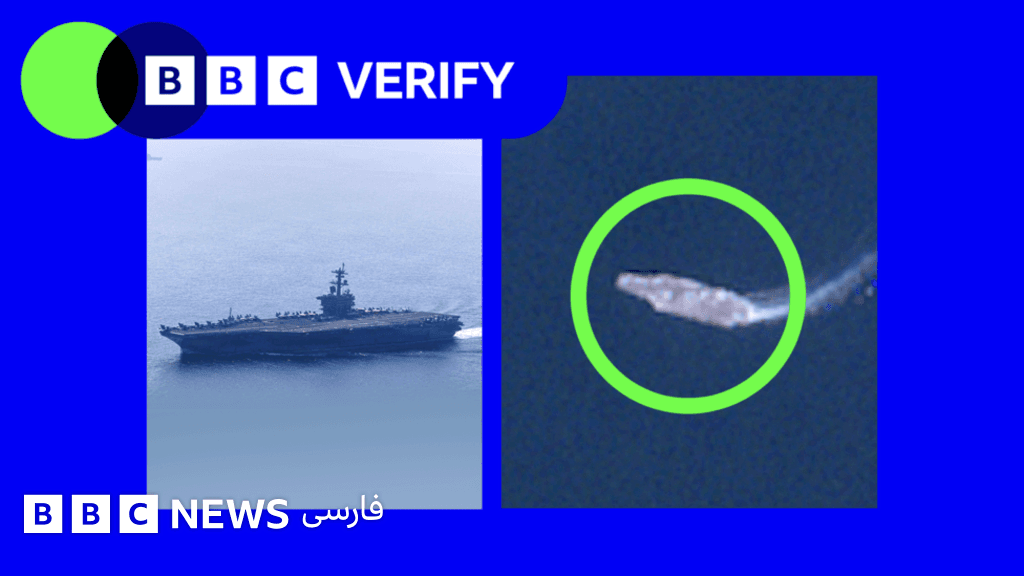
The U.S. Navy says it targeted and destroyed a drone from Iran, a Shahed-139, as it approached the aircraft carrier Abraham Lincoln in the Arabian Sea, and Reuters reported the action was taken in self-defense to protect personnel and equipment on the deck.
“What do we know about the United States' increasing military capabilities near Iran”
East Media Group said an F-35 fighter jet shot down the Iranian drone right as Tehran moved to shift the diplomacy playing field, and Team Hawkins of U.S. Central Command said that in this engagement no U.S. forces were harmed and U.S. equipment sustained no damage.
The confrontation came as Donald Trump warned that if no agreement is reached, the presence of naval forces near Iran’s shores could lead to unfortunate incidents, while separate reporting said Iran demanded an abrupt change of venue and format for nuclear talks scheduled for this Friday in Istanbul.
In that account, Tehran insisted negotiations be moved to Oman and proceed solely bilaterally with the United States rather than with Arab observers and several Muslim countries, including Egypt, Qatar, Turkey, Oman, the United Arab Emirates, Saudi Arabia, and Pakistan.
The same reporting said Iranian Foreign Minister Abbas Araghchi held intensive consultations on Tuesday with his Omani and Turkish counterparts and the Prime Minister of Qatar, while Steve Wittkaf met Benjamin Netanyahu to coordinate steps before negotiations with Tehran.
Ceasefire Ends, Markets React
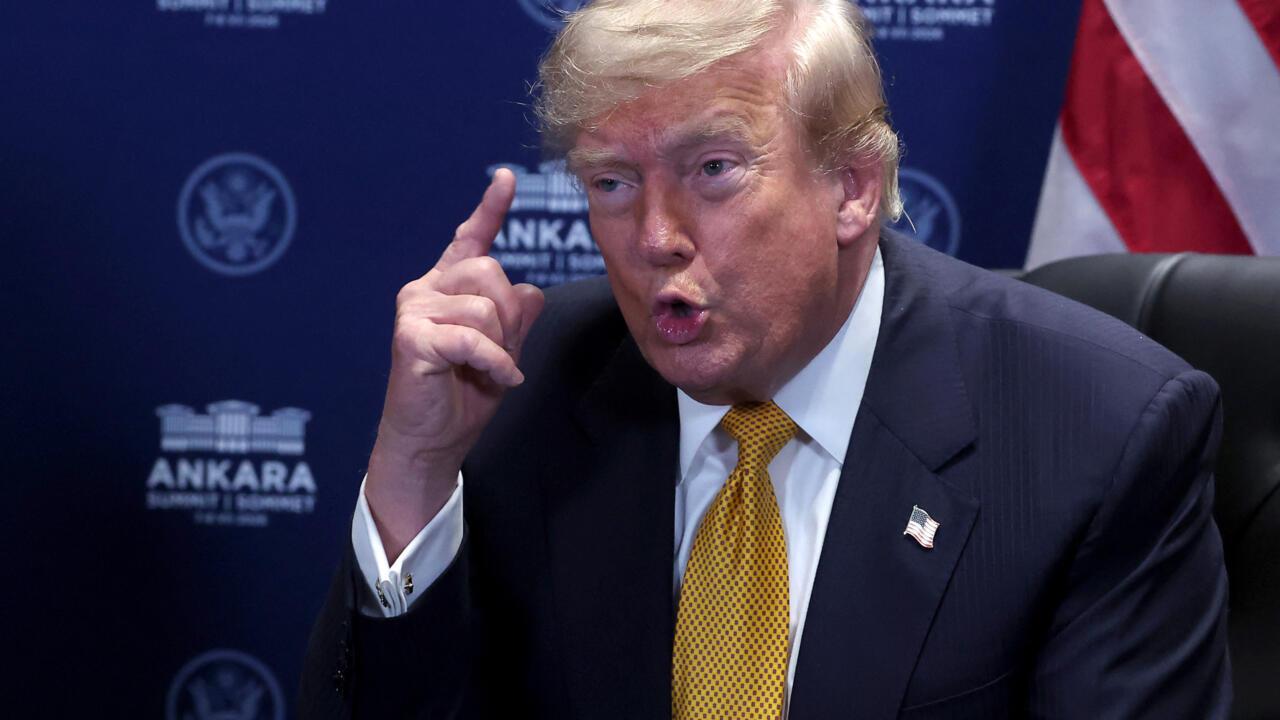
President Trump declared the U.S.-Iran ceasefire “over” at the NATO summit in Turkey, and the U.S. said it was striking Iran in retaliation for attacks on three commercial ships in the Strait of Hormuz.
By Wednesday evening, U.S. benchmark WTI Crude was trading at about $75 per barrel while international benchmark Brent Crude was trading at $79, up from about $69 and $72 respectively on Monday, as markets waited to see what happens next.

NPR said renewed fighting between the U.S. and Iran added uncertainty to the global economy, with crude oil prices jumping and stock prices falling after Trump declared an end to the fragile ceasefire in the Strait of Hormuz.
NPR also reported that the U.S. military attacked dozens of targets along the Iranian coastline overnight, and that the Dow Jones Industrial Average tumbled more than 800 points, or 1.5%, after hitting a record high just two days earlier.
The Hill quoted Robert Weiner of George Washington University saying the market was pricing in “a slightly increased chance of problems in exporting oil,” while Kenneth Medlock of Rice University’s Baker Institute said prices were expected to “continue to creep up.”
Oil Route and New Escalation
Jewish Telegraphic Agency reported Trump told reporters in Ankara, Turkey, “I think it’s over. I don’t want to deal with them anymore,” and later said the U.S. was preparing to launch another series of strikes at Iran.
“CNN's Pamela Brown reports from the USS Abraham Lincoln in the Arabian Sea as the US weighs next steps for Iran after a new round of strikes put the two sides’ interim agreement on the point of collapse, according to a US official”
The same account said U.S. Central Command announced American forces had begun “conducting additional strikes against Iran to further degrade their ability to threaten freedom of navigation in the Strait of Hormuz,” and it described the U.S. as holding Iran accountable for recent unjustified aggression against commercial shipping and civilian crews.
Euronews said Gulf states urged both sides not to abandon negotiations, while Tehran was telegraphing that the Strait of Hormuz is now Iran's, and it reported Qatar summoned Iran’s deputy ambassador to Doha to deliver a protest note.
Euronews quoted Qatar’s foreign ministry saying the note demanded that Iran “immediately cease any practices that compromise the security of the region,” and it said the Ministry of Foreign Affairs stressed the need “to continue on the path of dialogue and diplomacy.”
In the background of the renewed confrontation, NDTV reported Brent jumped 8 percent to $80.12 per barrel around 1520 GMT and WTI for August delivery gained 7.7 percent to $75.83 per barrel, as it linked the market move to the potential reclosure of the Strait of Hormuz.
More on USA

Ronaldo Salgado Demands Independent Investigation After ICE Officer Kills Lorenzo Salgado Araujo in Houston
14 sources compared

Midtown Manhattan High-Rise Stabilized After Buckling Columns at 235 E. 42nd St
10 sources compared

Andy Beshear Demands Mitch McConnell Health Update After June 14 Hospital Admission
10 sources compared
Trump Says Ceasefire Over as U.S. Forces Launch Second Consecutive Strikes on Iran
12 sources compared