
U.S. Negotiates With Senior Iranian Official; Iran Denies Talks
Key Takeaways
- US proposes JD Vance–Mohammad Bagher Ghalibaf talks via intermediaries, with Turkey as go-between.
- Iran denies engaging in talks with the US regarding negotiations.
- Trump claims negotiations with Iran and cites Ghalibaf as a potential partner.
Mediation Efforts
The United States and Iran have engaged in behind-the-scenes mediation efforts through regional intermediaries as both sides explore potential pathways to end their escalating conflict.
“Home News Business Energy Opinion Lifestyle Sports Video Podcast Home News Business Energy Opinion Lifestyle Sports Video Podcast Close the sidebar Home News Middle East US VP JD Vance gestures next as President Donald Trump delivers the State of the Union address, Feb”
Multiple sources confirm that Turkey, Egypt, and Pakistan have been actively facilitating communication between the two nations.

Their foreign ministers have held separate talks with US special envoy Steve Witkoff and Iranian nuclear negotiator Ali Araghchi.
The discussions focus on ending the war and resolving outstanding issues.
Egyptian Foreign Minister Badr Abdelatty emphasized the importance of 'containing the broader effects of the conflict and preventing it from expanding.'
These mediation efforts represent a significant diplomatic shift from recent military tensions.
Both sides are signaling openness to negotiated solutions even as public statements remain cautious.
Ghalibaf as Negotiator
At the center of the potential negotiations is Iran's Parliament Speaker Mohammad Bagher Ghalibaf, who has emerged as a key figure in the diplomatic process.
According to Western and Iranian sources, the Trump administration is quietly considering Ghalibaf as both a potential negotiating partner and even a future leader of Iran.
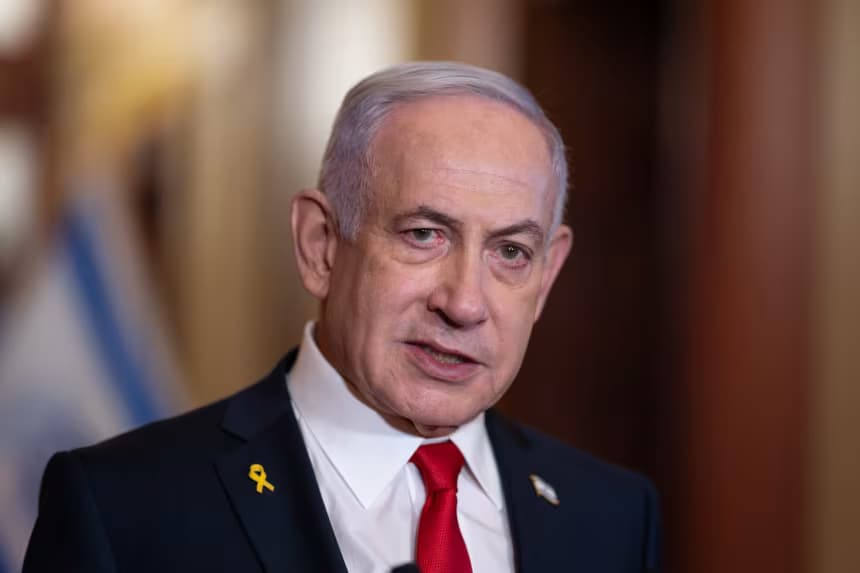
Politico reports that at least some in the White House see him as 'a workable partner who could lead Iran and negotiate with the Trump administration.'
However, the administration is reportedly assessing multiple candidates rather than committing to any single figure.
One official described Ghalibaf as 'a hot option' but cautioned that 'we got to test them, and we can't rush into it.'
Despite these developments, Ghalibaf himself has publicly denied that any talks have taken place.
He has dismissed reports as 'fake news' being used to manipulate financial and oil markets.
Iranian Denials
Iran has consistently denied that any direct negotiations with the United States have occurred, despite signals from American officials suggesting otherwise.
“Skip to main content Updated 7 hours ago - World U”
Iranian media quoted an official named Baghaei stating that 'although some friendly nations had sent messages indicating that the United States had requested talks, Iran did not respond.'
An unidentified Iranian senior official told Reuters that while the US had specifically requested a meeting with Parliament Speaker Ghalibaf, 'Iran's Supreme National Security Council has yet to review the matter.'
These denials come amid significant market reactions to the diplomatic maneuvers.
US stock indexes finished Monday's session up more than 1% as oil prices fell after President Trump announced he had ordered the military to postpone strikes against Iranian power plants following 'productive conversations' with Tehran.
The market movements suggest that financial markets are reacting to the potential of eased tensions between the two nations.
Official diplomatic channels remain technically closed despite these developments.
Military Developments
The diplomatic maneuvering occurs against a backdrop of increasing military tensions and regional security concerns.
CBS News reported that US officials believe Iran has placed underwater naval mines in the Strait of Hormuz.
These include Iranian-made Maham-3 and Maham-7 mines equipped with advanced sensors.
However, Iran's military denied the need for mining the strategic waterway.
A spokesperson stated that the Islamic Republic has 'full control and initiative' in the Persian Gulf and waters.
They are managing the Strait of Hormuz 'intelligently and powerfully.'
Ukraine's President Zelenskyy claimed his military intelligence has 'irrefutable' evidence that Russia continues to provide intelligence to Iran.
He said this could prolong the Middle East conflict.
Bahrain has reportedly put forward a draft UN Security Council resolution authorizing 'all necessary means' to protect commercial shipping in the Strait of Hormuz.
This reflects growing international apprehension about potential disruption to global energy supplies.
Regional Mediation
Pakistan has positioned itself as the lead mediator in the potential US-Iran negotiations.
“Iranian Foreign Ministry Spokesperson Esmaeil Baghaei denied on Monday that any talks with the United States had taken place, contradicting US President Donald Trump's earlier statements that Steve Witkoff and Jared Kushner had met with Iranian officials on Sunday”
Reports indicate that the country is trying to broker a meeting this week between senior American and Iranian officials in Islamabad.
The Financial Times reported that Pakistan is 'positioning itself as the lead mediator trying to broker an end to the US and Israel's war against Iran.'
Pakistani army chief Asim Munir spoke directly with Trump on Sunday.
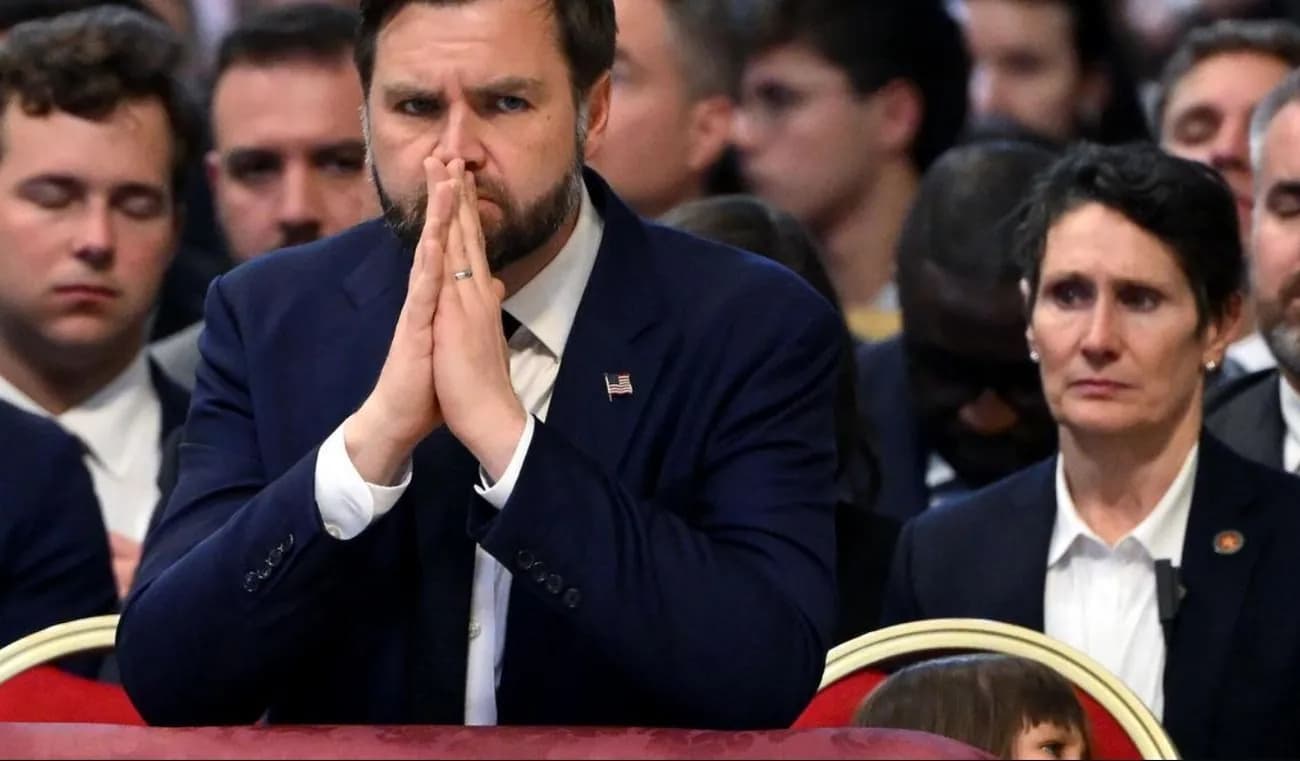
US Vice President JD Vance spoke by phone with Israeli Prime Minister Benjamin Netanyahu about the efforts to open negotiations with Iran.
They discussed 'the components of a possible agreement to end the war.'
Israeli Prime Minister Netanyahu later stated that Trump 'believes the objectives of the war with Iran could be achieved through a deal.'
This suggests a potential convergence between US and Israeli approaches to resolving the conflict.
Despite their historical differences over Iran policy, high-level contacts indicate regional and international actors are actively working to facilitate a diplomatic resolution to the crisis.
More on Iran

President Trump Says Iran Deal Within Reach Amid Talks With Senior Iranian Official
10 sources compared

Trump Approves Iran Operation After Netanyahu Presses for Joint Strike on Khamenei
12 sources compared

President Donald Trump orders ICE officers deployed to airports amid DHS shutdown.
227 sources compared
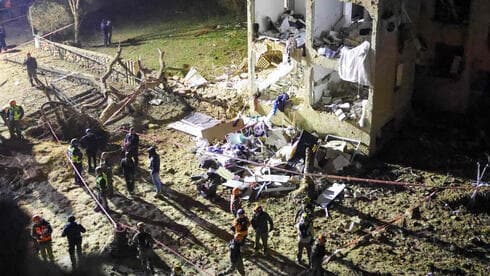
Iranian Missiles Strike Israel; Officials Report 180 Injured Amid Conflicting Casualty Figures.
12 sources compared