Full Analysis Summary
U.S. contacts with Cabello
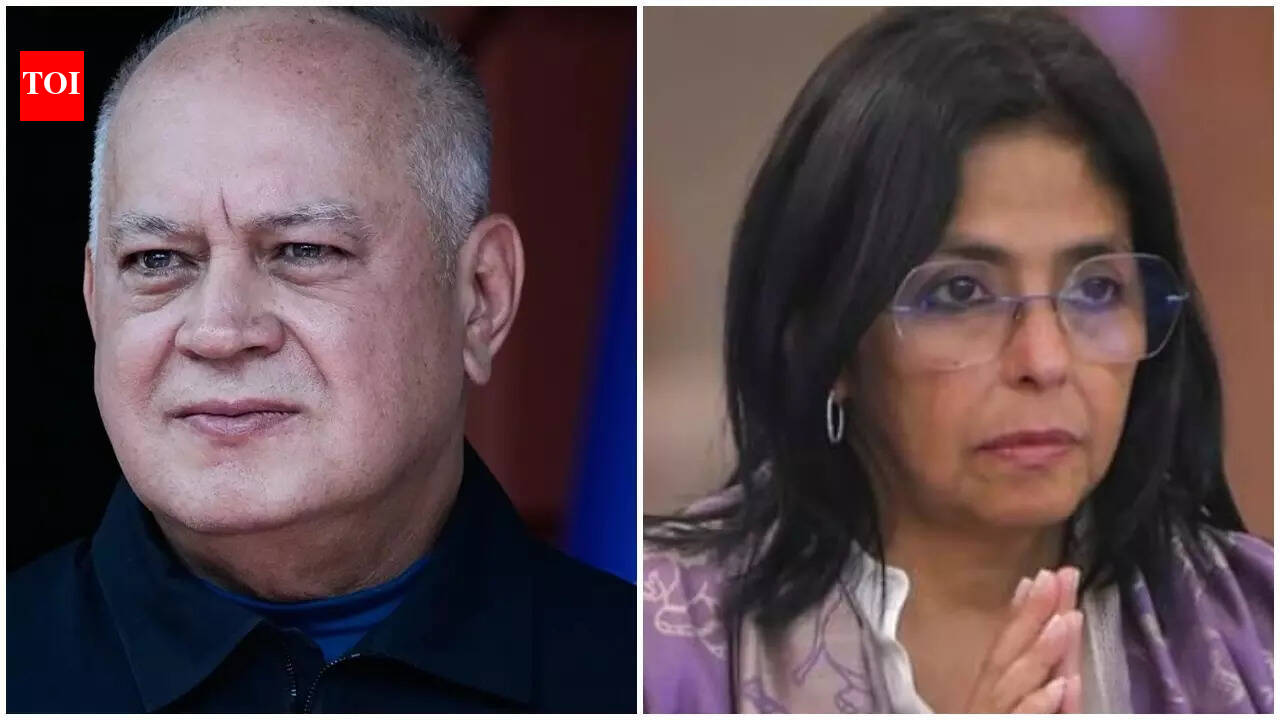
U.S. officials engaged in months of quiet contact with Venezuela's interior minister, Diosdado Cabello, before and after the Trump administration's Jan. 3 operation related to Nicolás Maduro, and they warned him not to use security services or pro-government militias against the opposition.
Multiple outlets reporting on the contacts note that Cabello, 62, is named in the same U.S. drug-trafficking indictment cited to justify the raid but was not detained, and U.S. officials viewed the communications as essential to preventing forces under his influence from sparking chaos that could threaten interim president Delcy Rodríguez's hold on power.
Reporting also emphasizes uncertainty over whether the talks covered Venezuela's future governance or whether Cabello heeded the warnings.
Coverage Differences
Tone and wording
South China Morning Post (Asian) frames the events by saying the Jan. 3 raid “removed Nicolás Maduro” and stresses that Washington viewed contacts as crucial to preventing Cabello from unleashing forces, while The Straits Times (Asian) calls it an “operation to seize President Nicolás Maduro” and emphasizes that contacts continued and Cabello was warned not to use security services. fakti.bg (Western Mainstream) highlights sanctions and a raised arrest reward alongside questions about why Cabello was not detained, giving a different emphasis. Times of India (Asian) mostly lists the headline and flags the question of Delcy Rodríguez’s position, offering less detail.
Cabello's security control
Reporting highlights Cabello's entrenched control over Venezuela's security apparatus.
U.S. sources warned him not to use the intelligence services, police, armed forces or ruling-party militants (colectivos) he oversees to attack the opposition.
Several outlets say those security forces remained largely intact after the operation.
The South China Morning Post and The Straits Times report that U.S. officials view Cabello's cooperation as critical to maintaining stability and protecting interim president Delcy Rodríguez's position.
Coverage Differences
Emphasis on influence vs. operational detail
The Straits Times (Asian) explicitly lists the areas over which Cabello exerts strong influence — "intelligence services, police, military and militias" — and quotes sources saying his cooperation is critical to stability, while the South China Morning Post (Asian) stresses Washington’s warning against unleashing those forces and frames the contacts as aimed at preventing chaos. fakti.bg (Western Mainstream) shifts focus to changes in detentions and prisoner releases, noting security checks and detentions have been reduced and some political detainees set for release, a detail not emphasised by the Asian outlets.
Questions about Cabello's detention
Several sources say U.S. officials and some U.S. politicians questioned why Cabello, who has been sanctioned for years, was not detained after the Jan. 3 operation.
Bulgarian outlet fakti.bg highlighted that the U.S. reward for his arrest was increased.
The coverage highlights legal and political complexity: Cabello is named in U.S. indictments and the reward was raised from $10 million to $25 million.
Despite that, his detention did not occur, prompting questions among reporters and officials.
Coverage Differences
Detail on sanctions and rewards
fakti.bg (Western Mainstream) specifically reports that the U.S. raised its reward for Cabello’s arrest from $10 million to $25 million and highlights that detention did not occur, while South China Morning Post (Asian) notes that some U.S. politicians questioned why he wasn’t detained and that the communications touched on U.S. sanctions and the indictment. The Straits Times (Asian) echoes that Cabello is named in the same indictment used to justify Maduro’s arrest but focuses more on the security‑stability angle than on the monetary reward detail.
US–Venezuela contact reports
Accounts differ on how the contacts were conducted and what they covered.
Reports say communications began early in the Trump administration and continued before and after Maduro’s ouster.
They say contacts were both direct and through intermediaries, and that the White House and Venezuelan authorities did not comment.
Several outlets say it remains unclear whether talks included plans for Venezuela’s governance or whether Cabello complied with U.S. warnings.
Coverage Differences
Clarity and sourcing
South China Morning Post (Asian) reports the communications "began early in the Trump administration and continued before and after Maduro’s ouster" and says it is unclear whether talks included governance plans; The Straits Times (Asian) notes contacts were "both direct and through intermediaries" and that "the White House and Venezuela did not comment." fakti.bg (Western Mainstream) cites News.bg sources claiming the Trump administration held talks with Cabello months before the operation and maintained contact afterward, emphasising sourcing differences and the limits of public confirmation.
Media perspectives on Venezuela
The sources collectively underscore unresolved questions and divergent emphases.
Asian outlets (South China Morning Post, The Straits Times, Times of India) focus on the security-stability dynamic and the uncertainty of governance plans.
Fakti.bg (Western mainstream) foregrounds sanctions, the increased arrest reward, the lack of detention, and reports on detainee-release processes flagged by human-rights groups.
All sources note ambiguity about whether Cabello complied with warnings or what was agreed in talks, leaving the post-operation political trajectory in Venezuela unclear.
Coverage Differences
Narrative emphasis and omissions
South China Morning Post (Asian) and The Straits Times (Asian) place greater weight on the security role Cabello plays and U.S. efforts to prevent violence (SCMP: "U.S. officials view the contacts as crucial to preventing Cabello from unleashing forces"; Straits: "Cabello...exerts strong influence over the intelligence services, police, military and militias"), whereas fakti.bg (Western Mainstream) highlights sanctions, the raised arrest reward and the absence of detention (fakti.bg: "raised its reward for his arrest...but his detention...has not occurred"). Times of India (Asian) provides a briefer headline noting the talks and raising a question about Delcy Rodríguez’s position. These differences reflect source focus and tone rather than directly contradictory factual claims, but they do change the reader’s sense of priority and severity.