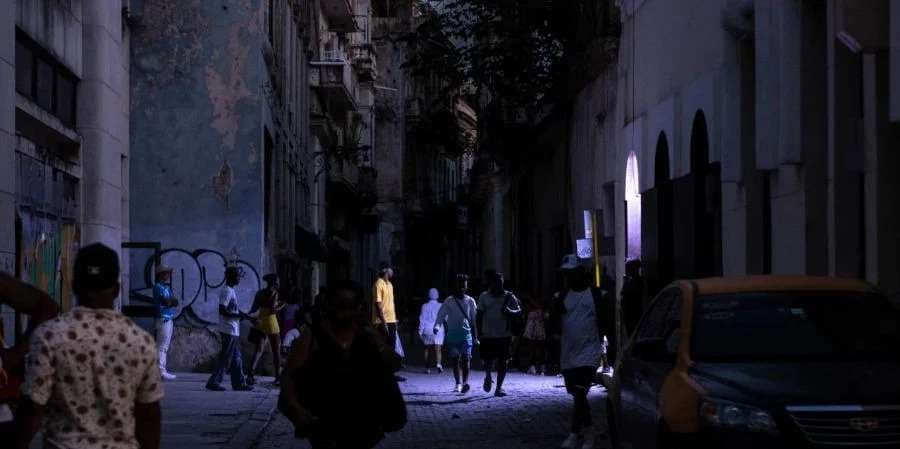
U.S. Oil Embargo Triggers Cuba's Second Nationwide Blackout
Key Takeaways
- U.S. oil embargo tightened fuel shortages, triggering second nationwide blackout in a week.
- More than 10 million people were left without electricity island-wide.
- Authorities activated restoration protocols after a total disconnection of the national grid.
Blackout Crisis
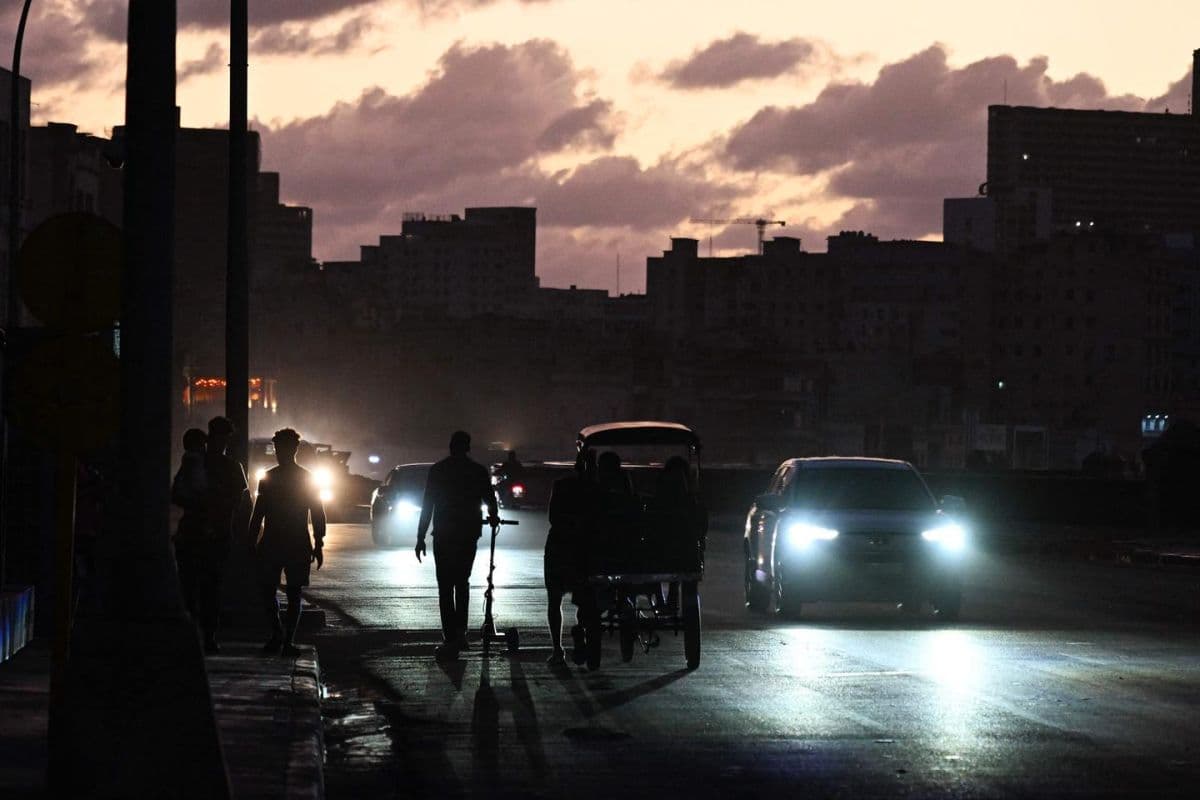
Cuba experienced its second nationwide blackout in less than a week on March 21, 2026, marking the seventh complete grid failure in approximately 18 months.
“Cuba’s electricity grid collapsed on Saturday, plunging the entire island into darkness for the third time in March”
The blackout began at 18:45 local time (22:45 GMT) and affected the entire population of 9.6 million people.

Cuba's Ministry of Energy confirmed the 'total disconnection of the national electric grid' and announced restoration procedures were immediately implemented.
This latest crisis comes just five days after a previous nationwide outage that lasted more than 24 hours on March 16-17.
The extreme frequency of these collapses highlights the unprecedented fragility of Cuba's electrical infrastructure in recent months.
Oil Embargo Impact
The current energy crisis stems directly from the tightening U.S. oil embargo imposed by the Trump administration.
Since January 2026, Cuba has not received any oil from foreign suppliers for three consecutive months.

Cuba is now dependent on domestic production that covers barely 40% of its fuel needs.
President Trump has intensified the blockade by threatening tariffs on any country that sells oil to Cuba.
The removal of Venezuelan President Nicolás Maduro in January 3 was particularly devastating, as Venezuela had been Cuba's main oil supplier.
Infrastructure Crisis
Cuba's power grid collapse is exacerbated by decades of infrastructure neglect and systemic underinvestment.
“Cuba suffered another nationwide blackout on Saturday due to a total disconnection of the National Electrical System (SEN) at 18:38 local time (22:38 GMT), the second in less than a week and the seventh in a year and a half”
The national grid relies on eight aging thermal plants, some over 40 years old and beyond their intended lifespan.
These facilities suffer frequent breakdowns due to lack of spare parts and insufficient maintenance funding.
The recent blackout was triggered by a failure at the Nuevitas thermoelectric plant, causing a 'domino effect' across the grid.
The crisis is compounded by critical shortage of diesel and fuel oil needed to restart the aging plants quickly.
Diplomatic Tensions
The energy crisis has created significant diplomatic tensions between Washington and Havana.
Cuban authorities rejected a U.S. Embassy request to import diesel fuel, calling it 'brazen' and 'shameless'.
The Cuban Foreign Ministry accused Washington of trying to harm Cuban citizens while requesting privileges denied to them.
The Trump administration threatened to reduce embassy staff due to fuel shortages, potentially triggering reciprocal cuts.
President Trump stated his intention to have the 'honor of taking Cuba,' raising concerns about military intervention.
Humanitarian Impact
The nationwide blackouts have devastated daily life and essential services across Cuba.
Hospitals have canceled surgeries and reduced medical services due to power outages.

Educational institutions have cut class hours or suspended operations entirely.
Residents face daily power cuts of up to 15 hours in Havana, with some regions experiencing 48 consecutive hours without electricity.
Prolonged outages have caused food spoilage and disrupted water supply systems, forcing residents to rely on water trucks.
International Response
International solidarity efforts have emerged, with hundreds of politicians and activists gathering in Havana.
An international aid convoy arrived delivering medical supplies, food, water, and solar panels.
Cuba has begun diversifying energy sources using domestic natural gas, solar energy, and local oil production.
The restoration process is complex and slow, requiring gradual restart of fast-start sources before thermal plants.
Long-term solutions will need to address both external political pressures and internal economic reforms.
More on South America
.jpg&w=3840&q=75)
US Embargo Triggers Cuba's Second Nationwide Blackout Amid Fuel Crisis
67 sources compared
Colombia’s Petro Accuses Ecuador of Bombing Near Border
11 sources compared
President Trump Offers Missiles to Latin America to Destroy Cartels
54 sources compared

US Restores Diplomatic Relations With Venezuela Months After Trump-Ordered Raid Captured Maduro
68 sources compared