Gaza Genocide25 February, 20262 min read
US Opens Consular Services Inside Efrat, De Facto Recognizes Israel's Annexation Of Occupied West Bank
US will provide passport services inside Israeli settlement Efrat in occupied West Bank US plans similar consular outreach in Beitar Illit and Ramallah

10 outlets told this the same way.
Outlets did split on Israel Marks Oct. 7 Anniversary With Strikes on Gaza, Netanyahu Faces Election After Nova Tribute →
U.S. consular outreach
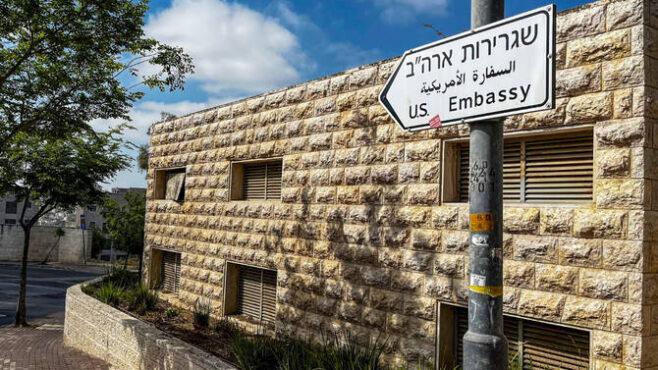
The U.S. embassy in Jerusalem announced it will begin offering passport and consular services in the Israeli settlement of Efrat in the occupied West Bank. The embassy said consular staff will make additional one-day outreach visits to settlements including Beitar Illit. The embassy also said it will continue services in Ramallah and several Israeli cities.
“The US embassy in Jerusalem said it will extend temporary consular services to Efrat, an Israeli settlement in the West Bank (occupied by Israel since 1967 and considered illegal under international law).”
The embassy framed the activity as temporary outreach visits. Multiple reports list Efrat, Beitar Illit, Ramallah, Jerusalem, Haifa, Netanya and Beit Shemesh as locations for these pop-up services. The step is part of a broader "Freedom 250" effort the embassy described as reaching U.S. citizens across the country.

Reactions to embassy move
Palestinian bodies and Hamas sharply condemned the embassy’s move as a dangerous precedent that effectively recognises and legitimises Israel’s settlement enterprise in the occupied West Bank. Hamas called the decision "a dangerous precedent" and said it aided Israel’s "Judaisation" plans, while the PLO’s Colonization and Wall Resistance Commission said the step violated international law and the Fourth Geneva Convention by conferring legitimacy on an illegal occupation. Palestinian officials urged Washington to reverse the decision and warned other states not to legitimise the settlement system.
Reactions to embassy outreach
Israel's government and pro-settlement actors welcomed the embassy's outreach. Israel's foreign ministry praised the decision, and Israeli Foreign Minister Gideon Saar used the biblical term 'Judea and Samaria' in welcoming the move. Independent reporting places the announcement against a backdrop of Israeli policy actions, noting that 'Israel's cabinet approved measures to tighten control over the occupied West Bank and make it easier for settlers to buy land,' steps Palestinians describe as 'de facto annexation'.
“Israeli Foreign Minister Gideon Saar welcomed the move, using the biblical term 'Judea and Samaria' and praising the decision as the US marks 250 years.”
Reports note more than 500,000 Israeli settlers live in the West Bank alongside roughly three million Palestinians. Many settlements are small, fenced towns guarded by Israeli soldiers.
U.S. settlement policy shift
The embassy action sits amid a broader U.S. policy shift that critics say departs from decades of practice. Some reports recall prior U.S. moves that shifted settlement policy, for example Pompeo-era statements.
Reports also point to controversial remarks by the U.S. ambassador to Israel, cited in multiple sources, that Area C is part of Israel. Analysts and critics say the combination of diplomatic practice, comments and on-the-ground steps undermines the two-state premise by effectively equating settlements with Israeli cities and risks formalising de facto annexation.
Media framing of diplomatic visits
Different outlets vary in what they emphasize: some highlight the legal and political fallout and call the visits a 'dangerous precedent' and de facto recognition of annexation. Others treat the visits as a consular convenience for U.S. citizens. Regional reporting links the move to continuing Israeli security operations in the West Bank.
“Critics say the step entrenches Israeli control and amounts to de facto support for annexation at a time when Israel is expanding settlements and faces international accusations over land registration plans in Area C of the West Bank.”
TRT World uniquely reports Israeli forces raiding a refugee camp and detaining a Palestinian. These differences underscore how outlets choose to connect diplomatic steps to on‑the‑ground Israeli actions.