South America28 November, 20252 min read
U.S. Orders Largest Military Mobilization in Latin America to Pressure Venezuelan Dictator Maduro
U.S. will soon expand operations to stop Venezuelan drug shipments by land U.S. designated Cartel de los Soles as a Foreign Terrorist Organization, accusing Maduro of leadership

16 outlets told this the same way.
Outlets did split on Alexandre de Moraes Orders Eduardo Bolsonaro Arrest, Cancels Passport, Enforces Four-Year Sentence →
U.S. actions near Venezuela
The United States has launched its largest recent military mobilization in the Caribbean and off Venezuela under an effort dubbed Operation Southern Spear.
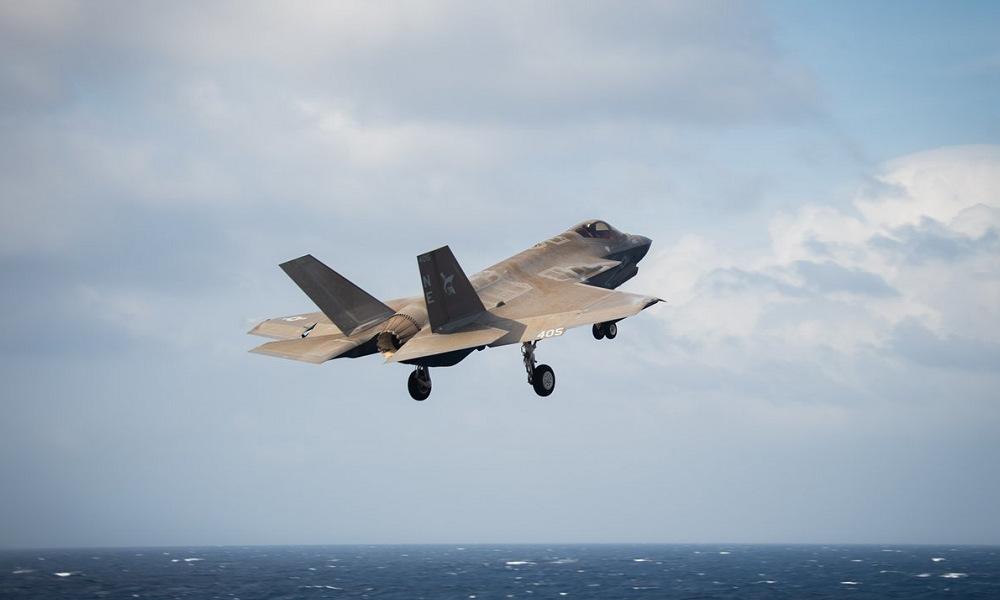
“The Pentagon—calling the campaign Operation Southern Spear—has deployed the carrier USS Gerald R. Ford, about 15,000 troops, warships, F‑35s and strategic bombers to the region.”
The force deployed the aircraft carrier USS Gerald R. Ford, more than a dozen warships and roughly 15,000 service members.
U.S. officials say nearly two dozen maritime strikes since September targeted drug-trafficking vessels and killed more than 80 people.
The administration designated the so-called Cartel de los Soles as a Foreign Terrorist Organization and named Venezuelan President Nicolás Maduro and senior officials.
The move increased pressure on Caracas and raised the possibility of expanded actions on land that President Trump said could occur very soon.
U.S. legal stance on Venezuela
The U.S. move to label the Cartel de los Soles and Maduro as tied to narcotrafficking has legal and political consequences but does not, within most reporting, create an automatic legal basis for invading Venezuelan territory. Multiple outlets cite Justice Department Office of Legal Counsel guidance and closed-door briefings saying that current legal advice permits strikes on suspected trafficking vessels but not strikes on Venezuelan soil. Some U.S. officials have told lawmakers the administration plans to act without new congressional authorization if it maintains its reading of war-powers exceptions.
Concerns over maritime strikes
Questions persist about evidence, target identification and civilian harm. Multiple outlets report U.S. officials have not publicly produced photographic proof of seized drug cargo.
“American forces have attacked more than 20 vessels since September that they say belonged to drug traffickers, causing at least 83 deaths, though the Pentagon has not publicly produced evidence...”
Some reports say strike victims appear to have been impoverished fishermen or people without clear trafficking links, and allies like the U.K. withheld intelligence amid concerns about legality. Former President Trump has claimed maritime measures interrupted about 85% of shipments, a figure cited in several outlets, but independent reporting and some analysts dispute the operation's long-term effectiveness.
Venezuela response and disruptions
Caracas and regional actors have reacted sharply. Venezuela rejected the U.S. accusations as a pretext for intervention. It mobilized forces, with News Ghana reporting roughly 200,000 troops placed on alert.
Maduro vowed to defend the country while denying ties to cartels. Several sources describe disruptions from the campaign. Airlines suspended flights.
The Dominican Republic allowed U.S. use of an air base for counternarcotics missions. Regional leaders and legal experts warned of escalation and migration pressures.
Media reactions to Venezuela
Analysts and reporting offer competing judgments about motivation and likely outcomes. Al Jazeera and UNODC data, cited across multiple pieces, portray Venezuela primarily as a transit state with most cocaine produced elsewhere, implying U.S. maritime strikes may not address root production. News Ghana and other outlets suggest the campaign could be symbolic and that traffickers can shift routes.
“UNODC data indicate Venezuela is primarily a transit route and plays a minor role in cocaine production; Colombia, Peru and Bolivia account for about 99% of global cocaine output...”
Meanwhile, some U.S. officials and Trump allies argue the pressure and designations are needed to disrupt networks and could be paired with talks. Coverage varies by source type: Western mainstream outlets emphasize legal constraints and oversight questions, Latin American outlets stress regional political context and sovereignty concerns, and alternative outlets warn of humanitarian and escalation risks.
