Gaza Genocide15 November, 20252 min read
US Plans to Divide Gaza, Give Israel Occupation of Eastern Gaza and Leave Western Gaza in Ruins
This article is an automated aggregation of coverage from news outlets. Our editorials offer in-depth analysis curated by the NewsCord team.
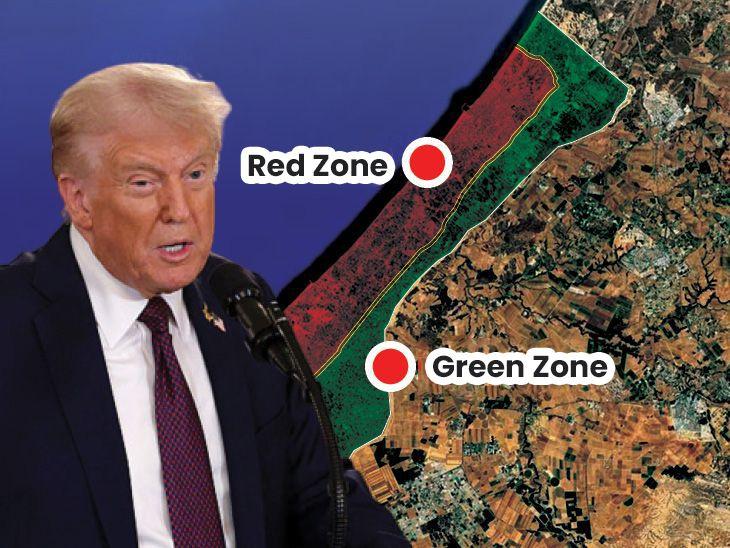
US military planning to split Gaza into ‘green’ and ‘red’ administrative zones Green zone placed under Israeli and international military control, prioritized for reconstruction

11 outlets told this the same way.
Outlets did split on Israel Marks Oct. 7 Anniversary With Strikes on Gaza, Netanyahu Faces Election After Nova Tribute →
Proposed Gaza zoning plan
US military planning documents reported in multiple outlets propose splitting Gaza into an eastern "green zone" under Israeli and international control and a western "red zone" left largely in ruins, separated by an Israeli-controlled "yellow line". The plan centers on an international stabilisation force (ISF) to secure the green zone while Israel retains control over the rest. Reports say hundreds of troops would initially deploy to the green zone and could expand to about 20,000 after a UN Security Council resolution.
“The US is pushing for an international stabilisation force (ISF) as a core element of Trump’s 20-point plan and hopes a UN Security Council resolution will be passed soon to provide a mandate.”
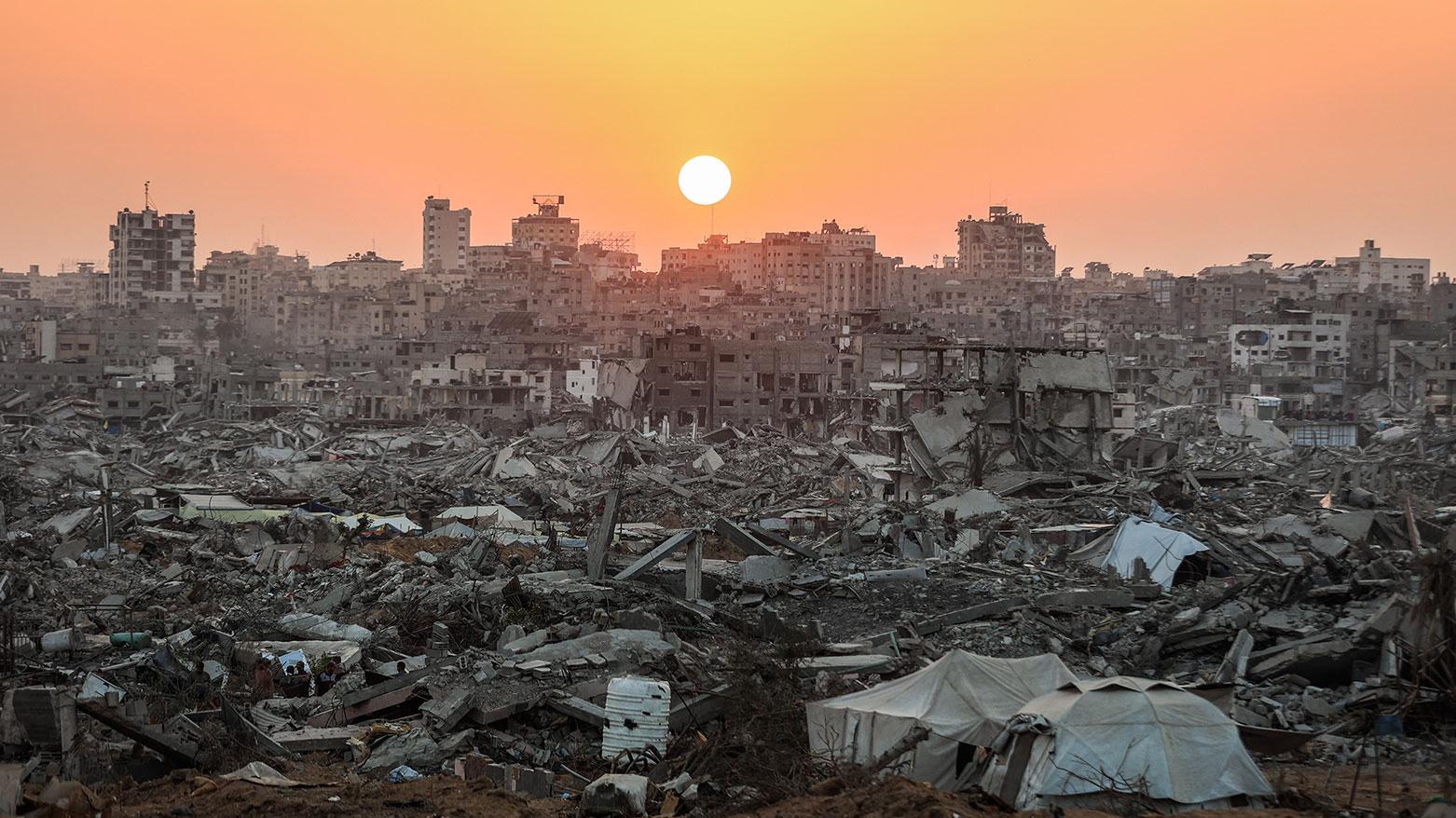
The proposals have prompted sharp concern that the plan would entrench Israeli occupation in eastern Gaza. Critics also say it would leave roughly 2 million displaced Palestinians and heavily damaged western areas without near-term rebuilding.
European troop planning and reluctance
Reported planning documents list potential troop contributions from European countries. They envisage a small initial ISF presence that would expand over time. Multiple sources say few governments are willing to risk forces, and Washington has ruled out US ground troops or financing reconstruction.
Earlier planning papers named hundreds of British, French and German soldiers and even larger European contingents. Outlets report critics called those figures unrealistic, and several governments expressed reluctance or refusal to participate, with Jordan explicitly rejecting involvement.

Concerns over Gaza zoning
Humanitarian and political critics warn the green/red zoning risks cementing Israeli control over eastern Gaza while abandoning civilians in western Gaza to devastated conditions. Several sources describe Gaza as facing catastrophic destruction, widespread displacement, and severe shortages. Aid groups say they were not briefed on earlier fenced "alternative safe communities" proposals, raising concerns about the plan's transparency and feasibility.
“Critics worry the proposal undermines US promises to convert the October 13 ceasefire in Sharm el-Sheikh into a political settlement allowing Palestinian rule in Gaza.”
Critics argue the plan could undermine promises to transfer Palestinian governance over Gaza. Mediators warn the arrangement could leave Gaza in prolonged limbo—"not war but not peace"—with continued Israeli attacks, occupation, and no Palestinian self‑rule.
Concerns over green-zone plans
Campaigners, humanitarian organisations and analysts warn the green-zone model echoes failed approaches in Baghdad and Kabul. They say it risks isolating any reconstructed area from the devastated west. They also warn it could entangle contributing countries in accusations of supporting an occupation.
Sources report earlier US-backed proposals for fenced alternative safe communities were dropped without briefing many humanitarian groups. Governments fear foreign troops stationed along the yellow line would be pulled into crossfire or political controversy.
Gaza plan uncertainties
Key aspects of the plan remain contested and unclear. US officials describe the planning as 'very dynamic' and dismiss some fixed numbers. Leaks and media reports outline detailed scenarios — from initial hundreds to a possible 20,000-strong international security force — but leave open who would fund reconstruction, whether Israel would actually withdraw beyond the green zone, and how Palestinian governance would be restored.
“A US official said the figures were inaccurate and planning remains ‘very dynamic.’”
Several outlets characterise the US plan as aspirational and hard to implement. Mediators warn that without a credible international force, Israeli withdrawal and broad rebuilding, Gaza risks continued Israeli attacks and occupation rather than restoration of Palestinian self-rule.