Ukraine War17 December, 20252 min read
U.S. Prepares New Oil Sanctions to Punish Russia If Putin Rejects Peace Deal
This article is an automated aggregation of coverage from news outlets. Our editorials offer in-depth analysis curated by the NewsCord team.
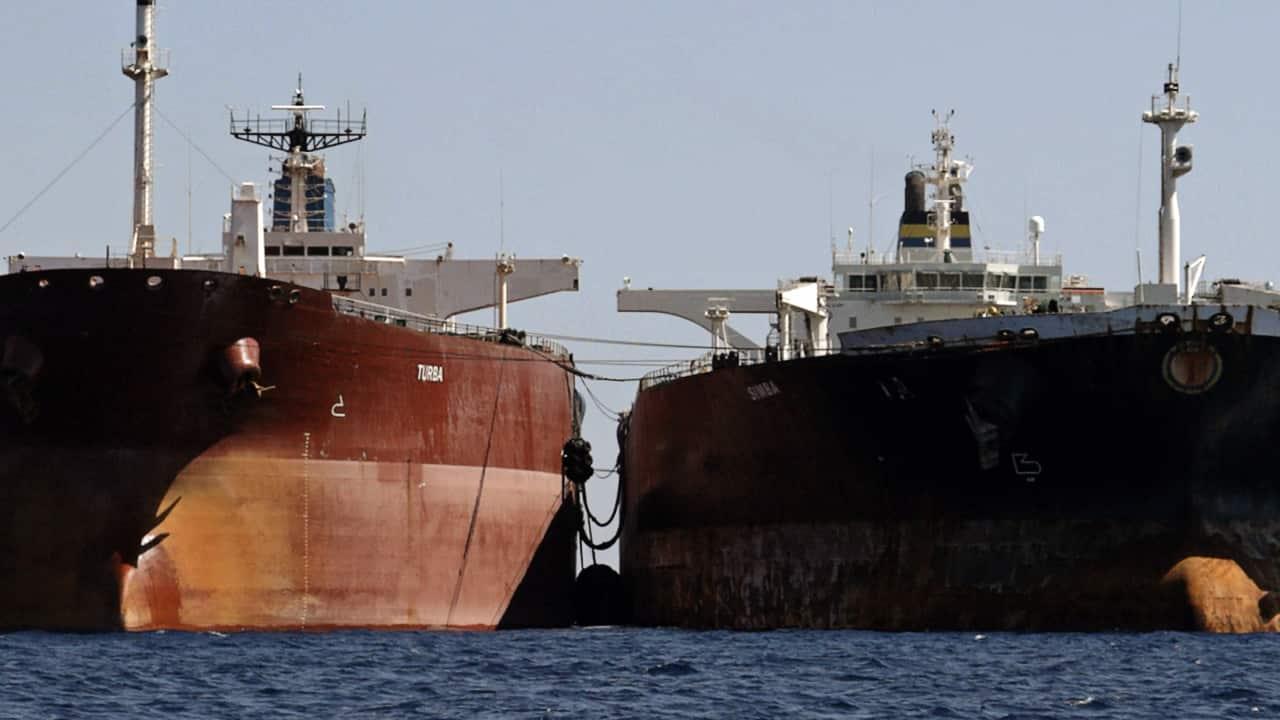
U.S. will impose new sanctions if Putin rejects the proposed Ukraine peace agreement Sanctions will target Russia's 'shadow fleet' tankers and oil traders facilitating crude exports

8 outlets told this the same way.
U.S. sanctions on Russian energy
The United States is reportedly preparing a fresh round of sanctions targeting Russia’s energy sector, explicitly including the so-called "shadow fleet" of oil tankers and the traders who help move crude, to increase pressure if President Vladimir Putin refuses a negotiated peace deal with Ukraine. Bloomberg is cited in reporting that Treasury Secretary Scott Bessent has discussed the plans with European ambassadors, and that any measures would still require final approval from President Donald Trump. Outlets note the move is framed as part of a push to prioritize ending the war.
“The U.S. is preparing a new round of sanctions aimed at Russia’s energy sector — including its ‘shadow fleet’ of oil tankers and the traders who facilitate crude exports — to increase pressure if President Vladimir Putin rejects a peace deal with Ukraine, Bloomberg reports.”
The announcement is said to come amid limited progress in talks on a possible peace framework. Citations include AL24 News, South China Morning Post, Apa.az, Firstpost, and The Economic Times.

Sanctions on oil logistics
Reporting says proposed measures would focus on the oil sector’s logistics — the ships and trading networks that obscure ownership and sales — rather than only on Russian state entities, aiming to constrain Moscow’s ability to monetize energy even if it seeks workarounds.
Bloomberg-sourced accounts indicate the sanctions could target both the physical tanker 'shadow fleet' and intermediary traders who facilitate crude exports.
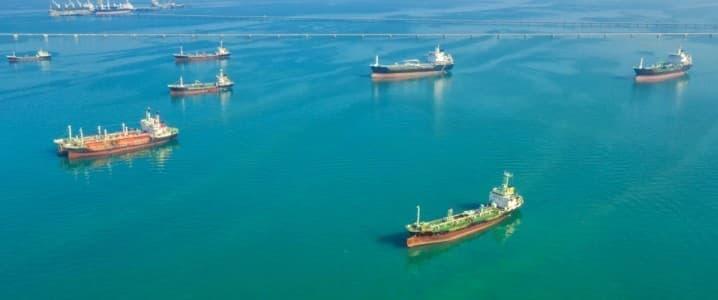
Public discussions between the U.S. Treasury and European diplomats signal coordinated pressure if diplomacy falters.
Several outlets emphasize that key disagreements remain in peace talks, including over territory, frozen assets and security guarantees for Kyiv.
As a result, the sanctions are framed as leverage tied to an uncertain negotiation process.
Cited sources include AL24 News, South China Morning Post, Apa.az and Moneycontrol.
Sanctions' impact on Russia
Observers cited in the reporting say past sanctions since Russia’s 2022 invasion have not decisively changed Vladimir Putin’s calculus. Measures targeting Moscow’s oil sector have had tangible economic effects, driving crude prices to their lowest since the invasion and contributing to growing economic distress inside Russia. One outlet reports that news of possible new sanctions briefly pushed Brent crude toward $60 a barrel.
“News of the potential sanctions briefly pushed Brent crude toward $60 a barrel.”
Those same accounts caution that sanctions alone have limits and are being presented as part of a broader diplomatic and economic strategy tied to the progress or lack thereof in peace talks. Citations: South China Morning Post; AL24 News; Apa.az; The Economic Times.
Sanctions diplomacy and conditions
The political and diplomatic framing in the pieces underscores that any new sanctions would not be unilateral or automatic. U.S. officials have reportedly been consulting European counterparts, and outlets repeatedly note that final implementation would rest with President Trump. Regional summaries add that the Kremlin has warned such steps could damage relations, indicating a likely diplomatic pushback if measures are announced.
Reporting consistently frames the sanctions as conditional, presenting them as threatened leverage tied to negotiations over territory, frozen assets, and security guarantees rather than an unconditional escalation. Citations include AL24 News, South China Morning Post, Apa.az, Firstpost, and Moneycontrol.