Full Analysis Summary
U.S. troop withdrawal from Syria
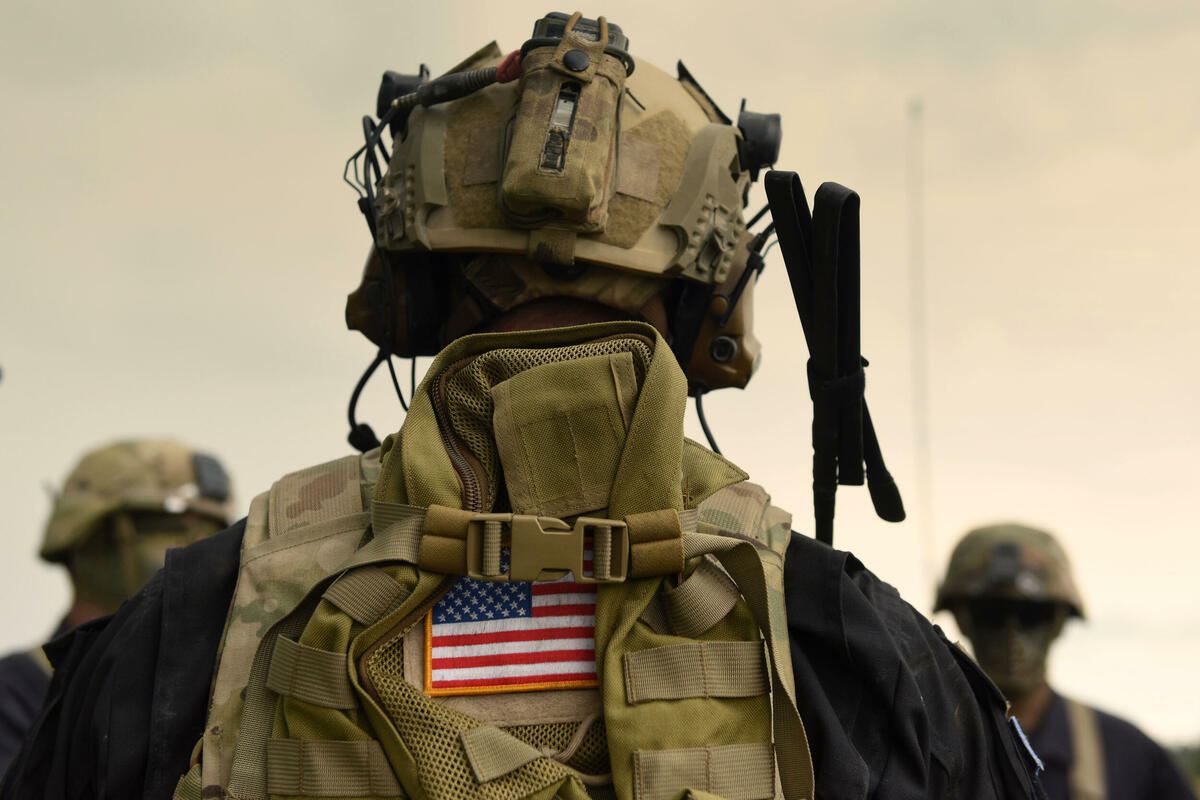
The United States is preparing to largely withdraw its remaining contingent of roughly 1,000 troops from Syria over the next few months.
Officials told outlets the remaining forces are expected to leave within about two months after earlier evacuations of key bases such as al-Shaddadi and al-Tanf.
Reports indicate the pullout ends a mission that began in 2014 and represents a significant reduction in U.S. presence in the country.
Observers say the move raises immediate questions about the security of areas formerly protected by U.S. forces and about the future of Kurdish allies on the ground.
Coverage Differences
Narrative Framing
BBC (Western Mainstream) frames the withdrawal as a planned, conditions‑based transition stating the Syrian government "has agreed to take the lead in combating terrorism" and that a "large US military presence is no longer required," while Dimsum Daily (Asian) emphasizes the timeline and describes the move as ending a mission begun in 2014 and "a significant reduction in U.S. presence" that "raises questions about the security of areas formerly protected by U.S. forces and the future of Kurdish allies." vijesti.me (Local Western) focuses more on diplomatic context, highlighting improved ties with Damascus such as a "historic November White House visit by Syrian President Ahmed al-Sharrah."
U.S. Middle East posture
U.S. officials described the decision as a strategic reassessment, with one outlet quoting officials saying the pullback was "a strategic reassessment rather than a reaction to the large American military buildup elsewhere in the Middle East."
Reporting notes the drawdown comes as the Trump administration has ramped up its military posture elsewhere in the region, including carrier strike groups operating near Iran.
U.S. officials emphasized that forces remain ready to "respond to regional threats."
Coverage Differences
Contradiction
Dimsum Daily (Asian) quotes officials saying the pullout is "a strategic reassessment rather than a reaction to the large American military buildup elsewhere in the Middle East," whereas BBC (Western Mainstream) places the decision in the context of an administration that "ramps up its military posture elsewhere in the Middle East amid rising tensions with Iran" and details carriers operating near Iran, creating a tension in explanations of motive versus timing. vijesti.me (Local Western) focuses less on that nuance, instead stressing diplomatic moves that accompany the shift in posture.
U.S.–Syria diplomatic talks
Diplomatic engagement between Washington and Damascus features prominently in the coverage.
Articles note a November White House visit by Syrian President Ahmed al‑Sharrah and subsequent talks and agreements, including a January deal reported to "integrate the Kurdish‑led SDF into Syria’s armed forces."
U.S. and Syrian foreign ministers have been reported to discuss a ceasefire.
Local coverage adds that Secretary of State Marco Rubio recently met Syria’s Foreign Minister Asaad al‑Shaibani to discuss maintaining the ceasefire and counterterrorism cooperation.
Coverage Differences
Unique Coverage
vijesti.me (Local Western) includes details not present in the other snippets, naming a meeting between "Secretary of State Marco Rubio" and "Syrian Foreign Minister Asaad al-Shaibani" about the ceasefire and counterterrorism, while BBC (Western Mainstream) reports the White House visit and "a January deal to integrate the Kurdish‑led SDF into Syria’s armed forces" but does not name Rubio or al‑Shaibani in the excerpt. Dimsum Daily (Asian) mentions the broader implications for Kurdish allies but does not enumerate these diplomatic contacts in the snippet provided.
Divergent security assessments
Analysts and reporting highlight divergent assessments of security on the ground.
The BBC points to a weakened Islamic State and 'considerable security improvement following the 2024 collapse of the Assad government,' using this to argue that 'a large US military presence is no longer required.'
Dimsum Daily underscores uncertainty 'about the security of areas formerly protected by U.S. forces and the future of Kurdish allies,' and vijesti.me records that Damascus 'has had occasional clashes with local militias.'
These accounts contradict each other: the BBC's view that a large US presence is unnecessary differs from Dimsum Daily's and vijesti.me's indications of ongoing instability.
Coverage Differences
Tone
BBC (Western Mainstream) takes a relatively reassuring tone by describing a "weakened Islamic State" and "considerable security improvement," framing conditions that allow U.S. drawdown; Dimsum Daily (Asian) adopts a cautionary tone, stressing that the pullout "raises questions about the security of areas formerly protected by U.S. forces and the future of Kurdish allies." vijesti.me (Local Western) provides middle-ground details about clashes with militias that imply continued risks on the ground.
U.S. Syria pullback context
The pullback is set against an active regional backdrop.
Reports cite recent U.S. raids under Operation "Hawkeye Strike" after a December ambush in Palmyra that "killed a translator and two Iowa National Guard members."
Broader U.S. deployments, including carriers such as the USS Abraham Lincoln near Iran and the expected arrival of the USS Gerald R. Ford, are cited as part of an intensified U.S. posture in the region.
Sources emphasize that U.S. forces say they remain ready to respond to threats even as the Syria contingent is reduced.
Coverage Differences
Emphasis
BBC (Western Mainstream) emphasizes the broader U.S. military posture — naming carriers like the "USS Abraham Lincoln" and an expected "USS Gerald R. Ford" — and connects that posture to tensions with Iran. Dimsum Daily (Asian) foregrounds the timing of the pullout and notes the evacuation of bases such as "Al‑Shaddadi" and "Al Tanf," while vijesti.me (Local Western) highlights specific violent incidents and U.S. raids, naming the December Palmyra ambush and Operation "Hawkeye Strike." Each source therefore emphasizes different operational and causal details around the same events.