
U.S. President Donald Trump Rules Out Talks Unless Iran Unconditionally Surrenders
Key Takeaways
- Trump ruled out talks with Iran unless it unconditionally surrendered
- Trump explicitly demanded Iran's 'unconditional surrender'
- His remarks coincided with Israeli strikes on Lebanon amid regional escalation
U.S. stance on Iran
President Donald Trump publicly declared he would not negotiate with Iran unless it gave an "unconditional surrender," a demand he posted on Truth Social as the wider Mideast fighting entered its seventh day.
“Jon Gambrell, Associated PressJon Gambrell, Associated Press David Rising, Associated PressDavid Rising, Associated Press Sam Metz, Associated PressSam Metz, Associated Press Sally Abou AlJoud, Associated PressSally Abou AlJoud, Associated Press Leave your feedback DUBAI, United Arab Emirates (AP) — U”
White House press secretary Karoline Leavitt later sought to narrow the meaning of "surrender," saying it would mean Iran "no longer poses a threat" and that Operation Epic Fury's goals are met.
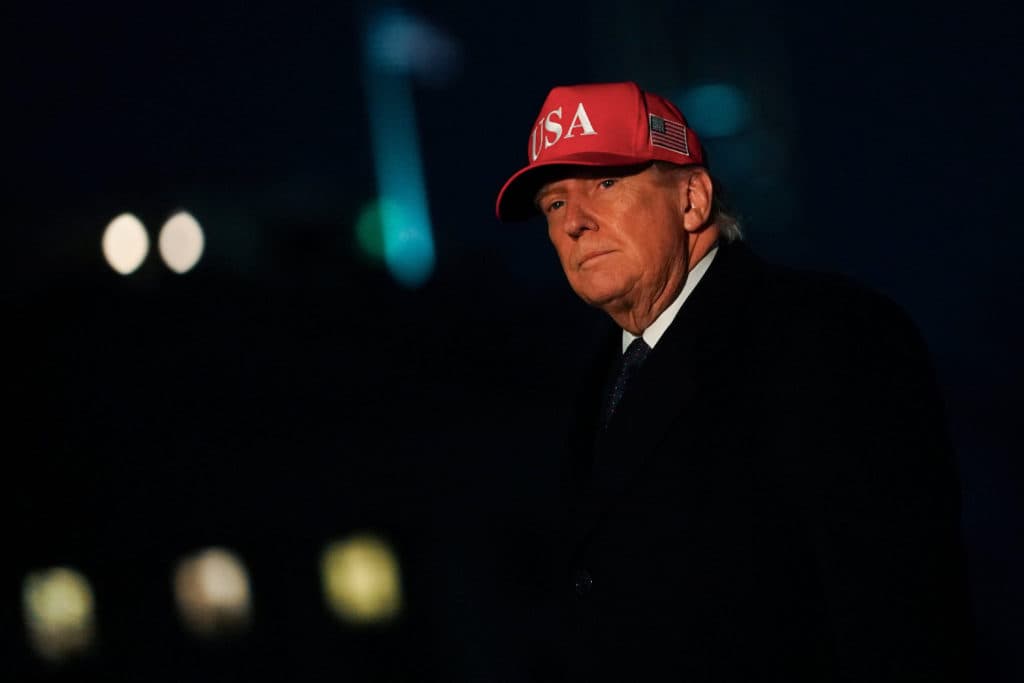
This hardline statement framed U.S. expectations while the conflict expanded across multiple fronts.
Escalation in Israel and Iran
Diplomatic rhetoric came amid expanding military strikes.
Israeli air forces broadened operations to hit targets in Iran after heavy bombardment in Lebanon and sustained strikes on Beirut.
Iran launched additional retaliatory strikes against Israel and Gulf countries.
Multiple outlets framed the events as a weeklong escalation that included strikes on Tehran and other parts of Iran as well as continued pounding of Beirut.
Lebanon displacement estimates
The fighting produced significant population displacements in Lebanon.
“Jon Gambrell, Associated PressJon Gambrell, Associated Press David Rising, Associated PressDavid Rising, Associated Press Sam Metz, Associated PressSam Metz, Associated Press Sally Abou AlJoud, Associated PressSally Abou AlJoud, Associated Press Leave your feedback DUBAI, United Arab Emirates (AP) — U”
PBS reported more than 95,000 people fled Beirut’s suburbs and southern Lebanon after evacuation warnings.
The New York Times cited an estimate that about 300,000 people in Lebanon have fled their homes.
This discrepancy underscores variation in early reporting and differing estimates from aid groups and news organizations.
Regional and economic impacts
Observers also linked the military escalation to regional and economic effects: reporting noted disruption to tanker traffic through the Strait of Hormuz and a resulting rise in U.S. pump prices for gasoline.
The intersection of President Trump’s uncompromising demand, widening Israeli-Iranian exchanges, and commercial disruptions highlighted the broader stakes beyond immediate battlefield developments.
Trump demand and regional strikes
Taken together, the articles present a picture of a U.S. president tying diplomacy to an absolute military demand amid a rapidly escalating regional conflict.
“Jon Gambrell, Associated PressJon Gambrell, Associated Press David Rising, Associated PressDavid Rising, Associated Press Sam Metz, Associated PressSam Metz, Associated Press Sally Abou AlJoud, Associated PressSally Abou AlJoud, Associated Press Leave your feedback DUBAI, United Arab Emirates (AP) — U”
They also show variation in on-the-ground impact estimates and swift clarifications from White House officials about what "unconditional surrender" would entail.
Where the sources disagree on displacement figures and emphasize different aspects—rhetoric versus operational detail—they nonetheless converge on the core facts of Trump’s demand and the widening strikes between Israel and Iran and their proxies.
More on Iran
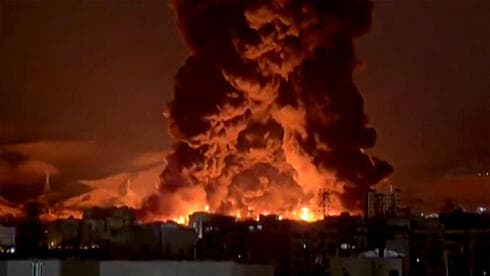
US obliterates military targets on Iran’s Kharg Island, Trump warns
13 sources compared

US Deploys About 2,500 Marines to Middle East After Iran Attacks Gulf Shipping
33 sources compared
FBI Warns of Iranian Drone Plot Based on Unverified Tip; California Says No Credible Threat
10 sources compared

White House Demands ABC Retract Report Claiming Iran Sought To Launch Drone Attacks On California
11 sources compared