Iran23 February, 20262 min read
US President Trump Denies General Opposes US Strikes on Iran, Threatens Dire Consequences
This article is an automated aggregation of coverage from news outlets. Our editorials offer in-depth analysis curated by the NewsCord team.
Top Pentagon general warned attacks on Iran face munitions shortfalls and limited allied support Trump denied reports the Joint Chiefs chairman opposes strikes, warning dire consequences for Iran

5 outlets told this the same way.
Outlets did split on Iran Reviews US Negotiation Proposals As Pakistan And Qatar Mediate Strait Of Hormuz Dispute →
U.S. discussions on Iran strike
President Donald Trump rejected media reports that Joint Chiefs Chairman Gen. Dan Caine opposes a U.S. strike on Iran, posting on Truth Social that the stories were "100% incorrect" and blaming "Fake News".
“President Donald Trump on Monday denied media reports that Joint Chiefs Chairman Gen. Dan Caine opposes a US strike on Iran, calling the stories ‘100% incorrect’ on his Truth Social account and blaming ‘Fake News.’ Trump said he makes the decision and would prefer a negotiated deal, but warned that without one Iran could face ‘a very bad day’ with dire consequences for the country and its people.”
Trump asserted that he makes the decision and said he would prefer a negotiated deal.

He warned that without a negotiated deal Iran could face "a very bad day" with dire consequences for the country and its people.
Time Magazine reports the Pentagon's latest campaign is dubbed Operation Epic Fury.
White House Press Secretary Karoline Leavitt said Trump monitored the situation overnight at Mar-a-Lago with his national security team and spoke by phone with Prime Minister Netanyahu.
The Washington Post notes readers responded to Gen. Dan Caine’s warning of a possible U.S. attack on Iran with skepticism and criticism, expressing worries about acting without allied support and broader concerns about escalation.
Risks of military action
U.S. defense officials warned of significant operational risks if Washington pursued a military campaign against Iran. TRT World summarized reporting from The Washington Post, Wall Street Journal and Axios that Caine and other Pentagon officials cautioned a strike could bring munition shortages, insufficient allied support, US and allied casualties, depleted air defenses, and the danger of becoming entangled in a prolonged conflict.
Time Magazine highlighted political concern at home, noting that several Democrats said there was no clear objective or exit strategy. The Washington Post’s reader responses similarly stressed concern about lack of allied backing and the strategic dangers of escalation.
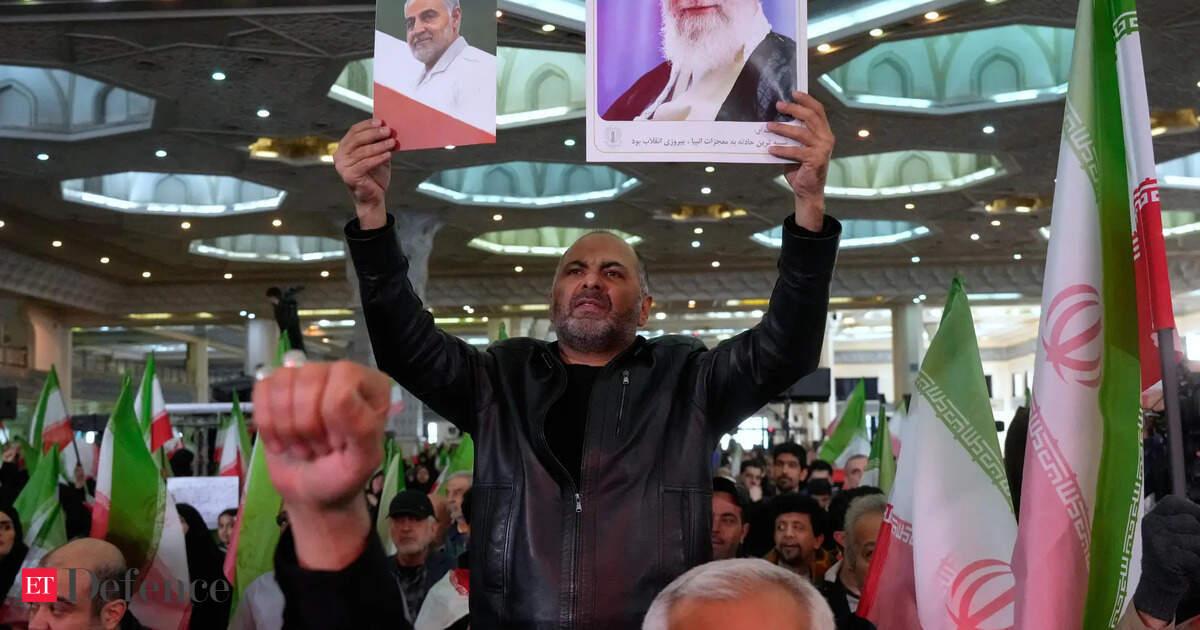
U.S.-Iran strike context
The broader operational and regional context cited by the outlets frames the strikes within ongoing U.S.-Iran negotiations and domestic unrest inside Iran.
“The Pentagon’s latest campaign, dubbed Operation Epic Fury, follows U.S.–Iran efforts to negotiate over Iran’s nuclear program and comes amid Iran’s violent suppression of mass protests in which thousands were killed. A speaker warned ‘It’s very dangerous outside. Bombs will be dropping everywhere,’ urging people to ‘take over your government’ when the strikes end and calling it likely their ‘only chance for generations,’ saying no previous president had acted as he was ‘willing to do tonight.’”
Time reports Operation Epic Fury came amid negotiations over Iran’s nuclear program and the country’s violent suppression of mass protests.
Time quotes a speaker warning "It’s very dangerous outside. Bombs will be dropping everywhere," and urging people to "take over your government" when the strikes end.
TRT World adds that Trump previously ordered strikes on Iran’s nuclear facilities last year and has threatened further action if talks do not produce a replacement for the 2018 nuclear deal.
TRT World also says he has bolstered U.S. forces in the Middle East with carriers, ships, aircraft and other assets.
The Washington Post coverage of reader reaction connected these developments to concerns about the motives and wisdom of military action.
Reactions to military strikes
Political and procedural questions accompanied the military developments, according to the sources. Time reports that Secretary of State Marco Rubio notified congressional leadership—the Gang of Eight—before the strikes began. Time also notes that some Democrats criticized the lack of defined goals.
Time notes the White House press office said Trump monitored events at Mar-a-Lago with his national security team. TRT World emphasized Trump's insistence that he alone decides and his preference for negotiation contrasted with his warning of severe consequences for Iran. The Washington Post highlighted public skepticism about strained alliances under Trump-era policies.