Protests30 January, 20263 min read
U.S. Prosecutors Charge Don Lemon, Georgia Fort and Five Others With Federal Civil Rights Violations for Barging Into Minnesota Church Service
Don Lemon, Georgia Fort, and others face federal civil-rights charges over St. Paul church disruption. Indictment alleges they occupied aisles, menaced congregants, and obstructed religious worship.

61 outlets told this the same way.
Outlets did split on France Suspends Police Stun Grenades at High School Protests After 15-Year-Old Loses Hand →
St. Paul church protest charges
Federal prosecutors have charged former CNN anchor Don Lemon, independent journalist Georgia Fort, and five others in connection with a Jan. 18 protest that interrupted a worship service at Cities Church in St. Paul, Minn.
“Former CNN anchor Don Lemon was taken into federal custody Thursday night in Los Angeles in connection with a protest at Cities Church in St. Paul earlier this month; prosecutors say Lemon and several others unlawfully entered the church’s private property and disrupted worshippers, while Lemon says he was there as a journalist photographing anti‑ICE protesters.”
Prosecutors allege the group unlawfully entered and disrupted the service and are seeking federal civil-rights and FACE Act charges.
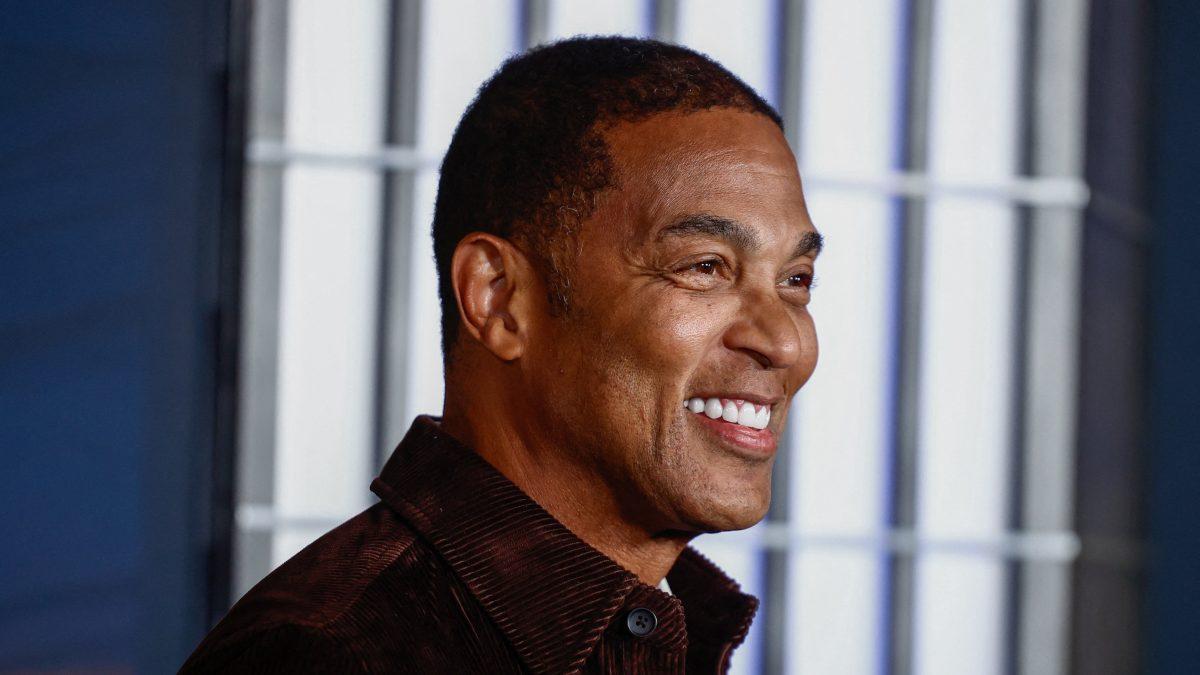
RNZ reported that Lemon was taken into federal custody Thursday night in Los Angeles in connection with the protest and that prosecutors say he and several others unlawfully entered the church's private property and disrupted worshippers.
Lemon said he was there as a journalist photographing anti-ICE protesters.
CNN noted that Lemon and Georgia Fort were arrested for their roles in the January 18 disruption of Cities Church in St. Paul.
NBC News summarized the charges as alleging conspiracy to deprive rights and interfering by force with someone's First Amendment rights.
Alleged church disruption charges
Prosecutors say the defendants are charged under federal civil‑rights statutes and the 1994 FACE Act for conspiring to deprive others of their rights and for interfering with worshippers. Court filings and government statements include specific allegations that the defendants obstructed aisles, prevented access to child care and frightened congregants. Deseret News reported the defendants are charged on two federal counts: interfering with religious freedom in a house of worship and conspiring to deprive rights.
Focus on the Family quoted a DHS affidavit saying activists disrupted the religious service and intimidated, harassed, oppressed and terrorized parishioners. ABC News said the indictment accuses the defendants of occupying aisles and seats, menacing congregants and obstructing worship.

Contested arrest procedures
The procedural path to the arrests has been a point of contention in media coverage. Several federal magistrate judges earlier declined to sign arrest warrants for Lemon and others, citing a lack of probable cause. Those judges encouraged the use of a grand jury, and prosecutors later obtained indictments from a Minnesota grand jury.
“Magistrate proceedings had earlier rejected charges against five people, including Lemon, for insufficient evidence but encouraged prosecutors to seek a grand‑jury indictment.”
GV Wire noted that a magistrate judge approved warrants for three other protesters while finding evidence against others insufficient, and that an appeals court denied the Justice Department’s effort to compel more warrants. RNZ reported that magistrate proceedings had earlier rejected charges against five people, including Lemon. Reuters-sourced outlets and NPR also reported that judges had previously said there was insufficient evidence to authorize Lemon’s arrest.
Responses to arrests
The arrests and indictments prompted swift pushback from press‑freedom advocates, elected officials, and many newsrooms who said the actions threatened the First Amendment. Other political and religious figures supported the prosecutions, arguing they protected worshippers' rights. NBC News summarized reactions and noted Los Angeles Mayor Karen Bass called the arrests "shocking" and an "egregious assault on constitutionally protected First Amendment rights."
The National Association of Black Journalists and the Committee to Protect Journalists condemned the detentions. The Guardian and TheWrap reported widespread criticism from journalists and Democrats who described the move as "chilling."
TheWrap added that critics across the political spectrum characterized the arrests as government intimidation. By contrast, Focus on the Family and Deseret News quoted Attorney General Pam Bondi and church leaders who supported enforcement to protect worshipers.
Legal issues in church protest
Legal analysts and many journalists flagged central legal and constitutional questions about whether presence and livestreaming at a protest that entered a private church is protected newsgathering or can cross into criminal conduct under statutes like the FACE Act and conspiracy laws. EEW Magazine summarized the statutory framework and noted that the Freedom of Access to Clinic Entrances Act makes it a federal offense to interfere with, intimidate, or obstruct people seeking reproductive health services or religious worship.
“The FACE Act (Freedom of Access to Clinic Entrances Act) makes it a federal offense to interfere with, intimidate, or obstruct people seeking reproductive health services or religious worship.”
NPR reported that a Washington Post review of video found Lemon spent about 45 minutes in the church, largely speaking calmly and not shown taking part in disruptive chants. The Los Angeles Times framed the indictment as raising a central legal question about whether Lemon's actions were protected reporting or crossed into unlawful interference.