Iran-Israel14 January, 20262 min read
US Readies Airstrikes on Iran Within 24 Hours
United States withdrawing some personnel from Middle East military bases as a precaution. Iran warned neighbors it would strike U.S. bases if Washington attacks.

22 outlets told this the same way.
Outlets did split on U.S. Intercepts Iran Message Activating Sleeper Cells After U.S.-Israel Strike Kills Khamenei →
Possible US strikes on Iran
Western and regional reporting converges on an urgent prospect of US military action against Iran after European and Israeli officials told Reuters that strikes could happen within 24 hours. Multiple outlets relayed that assessment and noted US precautions around regional bases. Il Sole 24 ORE summarised that one source said it could occur within 24 hours.
“US military action against Iran could occur within 24 hours.”
The Jerusalem Post reported that US military action against Iran could occur within 24 hours. The Australian Broadcasting Corporation quoted European officials making the same claim.

Several sources add that US personnel are being moved as a precaution amid those warnings. These reports suggest a heightened but still fluid threat of imminent strikes.
US personnel movements in Qatar
Several outlets report the US has moved or advised some personnel to leave Al Udeid Air Base in Qatar and repositioned staff across the region, but they differ on whether this amounts to an evacuation. The Daily Jagran and The Straits Times cite diplomats who described the action as a 'posture change' rather than a full evacuation. Politiko.ph and ARY News similarly report that some staff were advised to leave Al Udeid but saw no mass withdrawal like the one before last year's Iranian missile strike.
By contrast, Israel Hayom reports that nonessential personnel were evacuated from Al Udeid Air Base in Qatar. Gulf News describes US forces as having quietly repositioned personnel in the region.
Iran warnings and diplomatic suspension
Iran has publicly warned it would target US installations in the region if Washington strikes. Several outlets report that direct diplomatic contacts have been suspended amid the spike in tensions.
Politiko.ph, Daily Jagran, Gulf News and Al Jazeera report that Tehran warned neighbouring countries it would strike US bases if Washington intervenes. Israel Hayom and The Straits Times report that direct contacts between Iran’s foreign minister and a US envoy were suspended after President Trump’s threats, underscoring a breakdown in communication as warnings escalate.
Media reporting on unrest
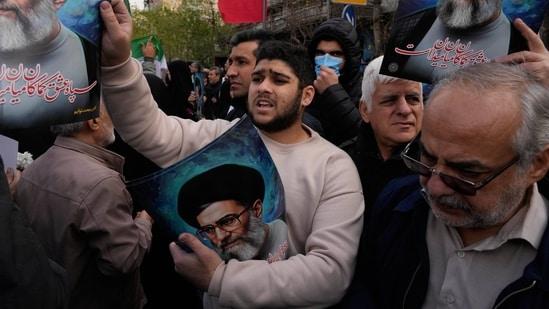
Coverage emphasises the severe domestic unrest that has precipitated the crisis and shapes international responses. Gulf News cites rights group HRANA with figures of 2,403 protesters and 147 government-affiliated deaths, and about 18,137 arrests. Il Sole 24 ORE quotes Norway-based Iran Human Rights reporting at least 3,428 protesters have been killed and over 10,000 arrested.
The Indian Express relays graphic first-hand reporting that hospitals faced catastrophic scenes worse than the 2009 unrest and major earthquakes. Several outlets note Iran's internet blackout limits independent verification of casualty claims.

Media coverage and regional risk
Western mainstream outlets tend to focus on official attributions, timelines and diplomatic signalling (The i Paper, ABC, The Straits Times). West Asian and Israeli outlets highlight regional vulnerability and military readiness (Gulf News, Israel Hayom, The Jerusalem Post).
Asian papers underline consequences for citizens and evacuation advisories (politiko.ph, The Indian Express). Taken together, the reporting indicates a high-risk situation shaped by protest-driven instability in Iran, warnings and counter-warnings between Tehran and Washington, and contested descriptions of US force movements.