Full story
Strikes resume after Jordan
The United States resumed airstrikes against Iran after a pause in the diplomatic track, with U.S. Central Command saying the strikes were a "powerful response to yesterday's attempted Iranian attacks on U.S. forces based in the Middle East."
“The strikes are a powerful response to yesterday's attempted Iranian attacks on U.S. forces based in the Middle East”
The renewed offensive followed Iran’s ballistic missile operation against a U.S. base and CENTCOM headquarters in Jordan, which U.S. Central Command said involved missiles that were "successfully intercepted."
CNN reported the U.S. completed a "heavy wave of strikes" against Iran at 10 p.m. ET, with explosions heard across southern Iran including Bandar Abbas and the Persian Gulf island of Kish.
In the same reporting, CENTCOM said its assets struck dozens of IRGC targets, including "military command centers, missile and drone facilities, coastal surveillance and defense sites, and maritime capabilities."
Trump threats and Iranian vows
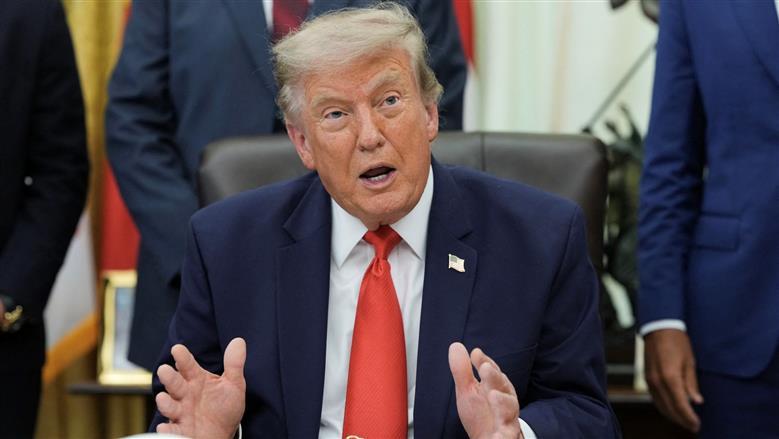
President Donald Trump framed the escalation as retaliation, telling reporters in the Oval Office that "we're going to be hitting them very hard because it's our turn to hit them."
In response to the U.S. wave of strikes, Iran’s Revolutionary Guard threatened further escalation, saying it "will punish the aggressor today," and that countries aiding the U.S. would also "receive a harsh response."

USA Today described a Tehran banner displayed in Tehran July 30 with the words “We will kill you.” and reported Trump’s messaging as he said he wanted to hit Iran "very hard" and "smack them a little bit."
CNN also reported Trump’s earlier vow to beat Iran, quoting him as saying, “We are going to beat the f**king sh*t out of them,” after the U.S. military intercepted what it described as a “surprise attack.”
Regional stakes and logistics
The renewed fighting widened beyond Iran, with CNBC reporting that Jordan’s armed forces intercepted five missiles launched from Iran Thursday morning, according to the country's state-run Petra news agency.
“Jordan's armed forces said the country's air defenses intercepted five missiles launched from Iran”
CNN reported that vessel traffic through two critical shipping chokepoints remains heavily depressed amid U.S.-Iran tensions and threats to trade in the region, while tankers looked for new shipping routes after the Houthis’ declaration.
CBS News said the Iranian Revolutionary Guards struck and halted three oil tankers in the Strait of Hormuz, according to Iran’s semi-official Tasnim News Agency, which reported: "Three violating oil tankers, which ignored our warnings and continued sailing an unsafe and illegal route, were struck and brought to a halt,".
CNN also tied the operational tempo to the broader risk environment, noting that the U.S. and Saudi forces launched joint strikes in Iraq and that the PMF said at least 20 people were killed and 32 wounded in U.S.-Saudi strikes.