US-Russia Oil Negotiations: Market Impact & Strategy
Key Takeaways
- Energy diplomacy between major powers shapes global oil market dynamics
- Energy supply chain vulnerabilities are reshaping strategic national calculations
- Traditional energy supply chains face systematic disruptions across multiple regions
Supply chain vulnerabilities
The article says modern economies face unprecedented energy security challenges as traditional supply chains confront systematic disruptions across multiple regions, driven by the intersection of geopolitical tensions, infrastructure vulnerabilities, and market dynamics.
“US-Russia Oil Negotiations: Energy Diplomacy and Global Market Impact By Muflih Hidayat on March 12, 2026”
It says these pressures have intensified policy discussions around energy diversification, strategic reserve management, and alternative sourcing arrangements beyond conventional diplomatic channels.
The article highlights the Strait of Hormuz as a critical vulnerability and says approximately 4.2 million barrels per day face potential disruption risks, creating cascading effects across international markets.
It adds that the ongoing oil price rally demonstrates how quickly markets can respond to changing geopolitical realities.
Sanctions and prices
The article says the existing sanctions framework generates approximately $180 billion annually in revenue impacts related to Russian energy exports.
It notes the price ceiling mechanism is currently set at the $60 per barrel threshold and faces ongoing effectiveness evaluations as market participants develop alternative transaction structures.
“US-Russia Oil Negotiations: Energy Diplomacy and Global Market Impact By Muflih Hidayat on March 12, 2026”
The article warns that unintended consequences have emerged across allied economies, particularly regarding energy security and industrial competitiveness when oil prices approach $120 per barrel.
It says these dynamics illustrate the balancing act between maintaining pressure through economic measures and preserving alliance cohesion and domestic industrial capacity.
Regional market positioning
The article describes India's refinery infrastructure adapting significantly to changing supply patterns and lists major capacities and flexibility: Reliance Jamnagar 1.24M bpd with high adaptability, IOC Paradip 300K bpd with moderate flexibility, and HPCL Vizag 166K bpd with regional specialisation.
“US-Russia Oil Negotiations: Energy Diplomacy and Global Market Impact By Muflih Hidayat on March 12, 2026”
It says these facilities demonstrate logistical capabilities that enable rapid supply chain adjustments in response to supply volatility.
The article says European energy security recalculations are under way, citing Germany's industrial competitiveness challenges at elevated energy input costs and noting alternative supply route development through Azerbaijan and Qatar.
It adds that LNG contract renegotiation strategies reflect a shift toward supply diversification and contractual flexibility across European procurements.
Diplomacy and scenarios
The article says diplomatic engagement operates across multiple channels, including track-two diplomacy and energy-sector working groups, and identifies third-party mediators such as the UAE, Saudi Arabia, and Turkey as facilitators of discussions that link regional stability with global market functionality.
It cites Saudi exploration licenses as an example of the kingdom's broader strategic role in energy diplomacy.
“US-Russia Oil Negotiations: Energy Diplomacy and Global Market Impact By Muflih Hidayat on March 12, 2026”
The article quotes the phrase "a15% geopolitical risk premium since January 2026" in reference to oil futures markets and notes that the source phrasing appears unclear but likely refers to a 15% geopolitical risk premium.
It lays out three scenario probabilities for policy evolution: Rapid Normalisation (25%), Selective Modification (45%), and Enhanced Enforcement (30%).
Finally, the article highlights implications for investors and regulators, including increased renewable investment during fossil fuel volatility, portfolio hedging approaches, and a compliance monitoring framework covering secondary sanctions exposure, banking restrictions, insurance capacity constraints, and supply chain due diligence.
More on Russia

U.S. Lifts Russian Oil Sanctions; Antonio Costa Says Move Fuels Putin’s War
87 sources compared

UK Government Boycotts Opening Ceremony After IPC Allows Russian, Belarusian Flags
13 sources compared
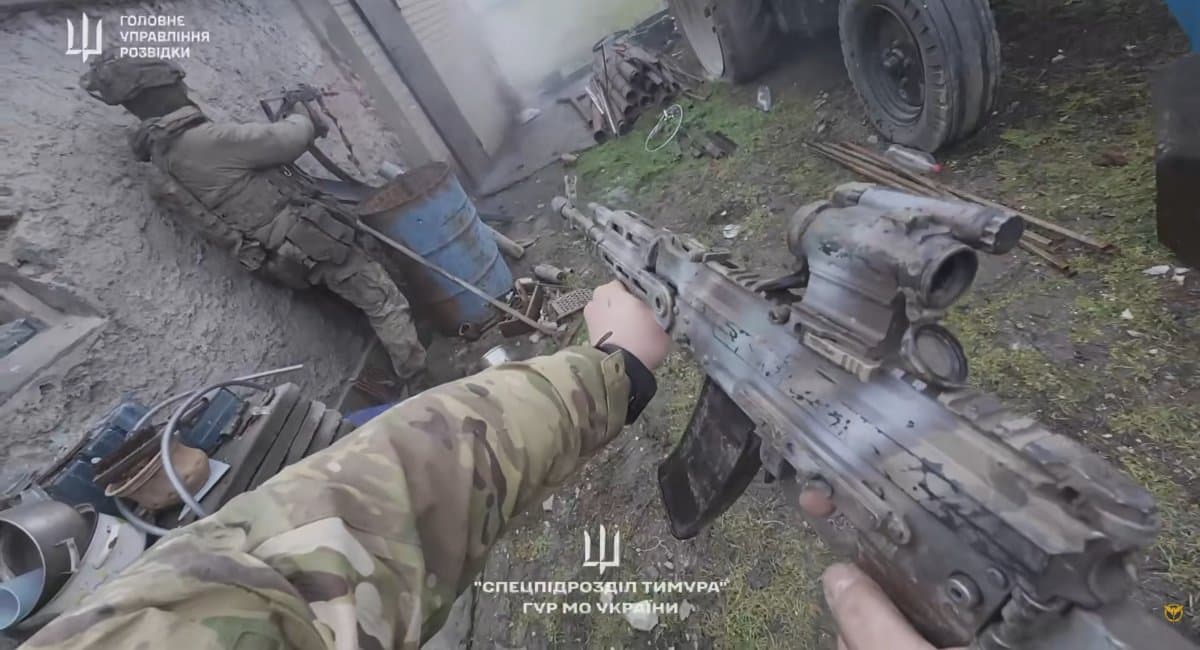
Ukrainian Forces Halt Russian Advance Toward Zaporizhzhia; HUR Claims 300 Russian Casualties
12 sources compared

Russia Kills at Least 10 in Kharkiv Apartment Missile Strike, Including Two Children
19 sources compared