Technology and Science06 November, 20254 min read
US Sabotages Global Climate Action by Skipping COP30 Summit in Amazon
The United States did not send a senior delegation to the COP30 climate summit in Brazil. World leaders criticized the US absence, calling it disrespectful and harmful to climate efforts.

14 outlets told this the same way.
COP30 Climate Summit Highlights
At the opening of COP30 in Belém, Brazil, world leaders warned that the window to avert catastrophic warming is closing. Critics focused on the United States’ absence under President Donald Trump, whose administration withdrew from the Paris Agreement and dismisses climate science. Western mainstream coverage reports leaders criticizing major powers—especially the United States—for retreating from climate commitments.
“His absence from the COP30 climate talks in Brazil drew criticism from global leaders.”
Trump’s absence drew criticism from global leaders. West Asian outlets also emphasize the political fallout, with Norway’s prime minister expressing regret over the absence of the United States and warning of serious consequences. Arab News PK reports that the U.S. is not participating due to President Trump’s dismissal of climate science.

Scientific urgency framed the stakes, with UN-linked reporting noting record greenhouse gases and ocean heat. There is a likely early-2030s overshoot of 1.5°C, even as leaders insist the target must still be pursued.

Global Climate Leadership Challenges
Analysts warn that the U.S. absence risks weakening new climate pledges and encouraging climate denial. Western Mainstream Scripps News identifies emissions from wealthy countries as the main obstacle and states that without U.S. leadership, securing new commitments will be more difficult. Western Alternative NewsLooks notes that reduced U.S. engagement is pushing some governments toward denial and deregulation, highlighting shifts in Latin America.
The BBC contrasts Washington’s support for fossil fuels with Beijing’s focus on clean technology. West Asian reports emphasize who might fill the leadership vacuum.

Anadolu Ajansı reports that Norway has called for the EU, Norway, and China to take on larger roles. The Indian Express lists notable absences of top polluters' leaders, increasing uncertainty about collective climate ambition.
Amazon Climate Summit Coverage
Belém’s Amazon setting highlighted contradictions and the strong presence of grassroots groups. Western Alternative coverage notes that Brazil allows public protests, with Indigenous groups, activists, and youth demonstrating openly despite infrastructure shortages that required unconventional accommodations. This coverage also emphasizes Lula’s Tropical Forests Forever Fund.
“Brazil permits public protests, enabling Indigenous groups, activists, and youth to demonstrate openly, emphasizing social struggle as part of the event.”
 NewsLooks
West Asian outlets report that Brazil’s approval of oil drilling near the Amazon and the U.S. absence cast a shadow over the event. At the same time, Brazil is advocating for a global rainforest-reward fund and increased adaptation finance. The Palestinian News Network adds that civil society criticized offshore exploration and highlighted Lula’s focus on accountability rather than new promises.
Western mainstream and regional reports point to the scale and logistics of the event, noting nearly 50,000 participants and a rescheduled leaders’ segment to manage constraints. The BBC captures Lula’s framing of the summit as a “COP of truth” standing against climate denial.
Global Climate Crisis Updates
The science and stakes intensified calls to act even as U.S. leadership receded. UN-linked coverage reports record-high greenhouse gas emissions and ocean temperatures, with 2023 already about 1.42°C above pre-industrial levels, warning of a likely early-2030s overshoot that must be minimized. Western mainstream and West Asian outlets echo the heat records, stating that 2025 is on track to be one of the warmest years recorded and labeling missing the 1.5°C limit a moral failure.
The BBC projects 2.3–2.8°C warming under current policies, while Asian reporting highlights fossil-fuel subsidies of roughly $1 trillion annually and a 2030 timeline for breaching 1.5°C without drastic action. Tribune India amplifies the Secretary-General’s warning of moral failure and deadly negligence, pressing for a rapid fossil fuel phase-out and stronger forest and ocean protection.
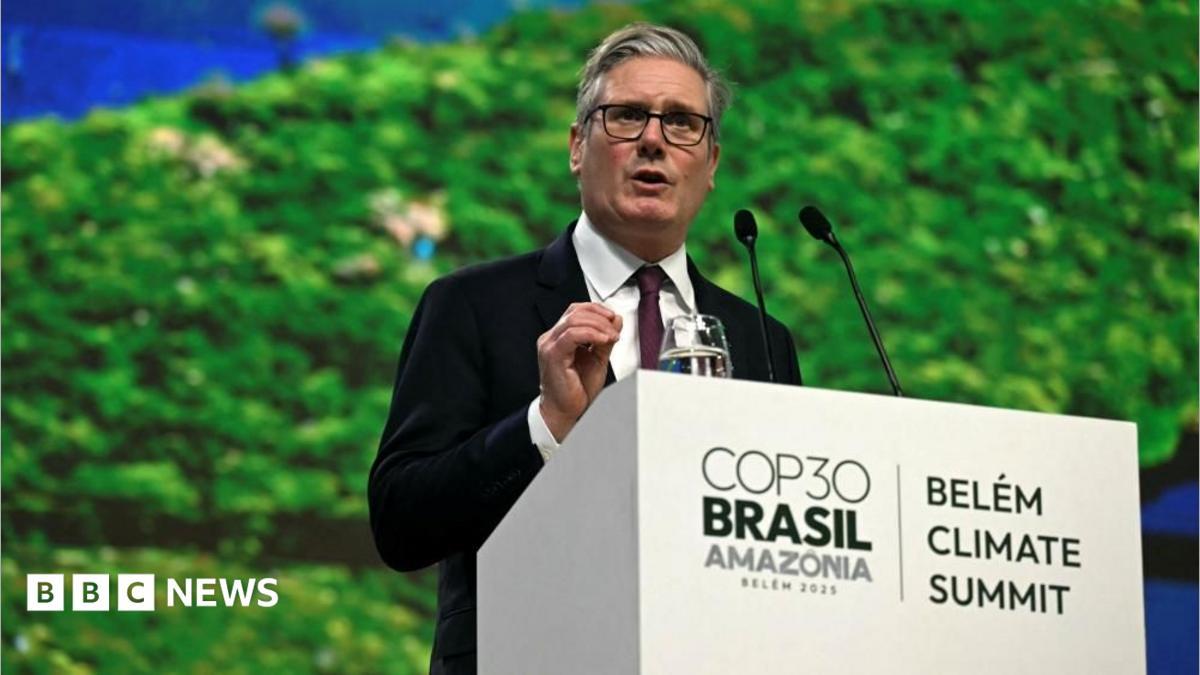
Impact of U.S. Absence on Climate Talks
Across sources, the U.S. absence is portrayed as harmful to global momentum, which critics describe as a form of sabotage of collective action. Western mainstream and West Asian outlets report direct condemnation, with leaders criticizing major powers, especially the United States. Norway warned of serious consequences due to the U.S. absence.
“Store expressed regret over the absence of the United States at the summit... warning of serious consequences without it.”
The BBC noted that the absence of the U.S. president drew criticism. Process and power politics deepen the picture, as Scripps states that without U.S. leadership it is harder to secure new pledges. The BBC adds that the administration promoted fossil fuel dominance and pressured other nations to buy U.S. oil and gas.
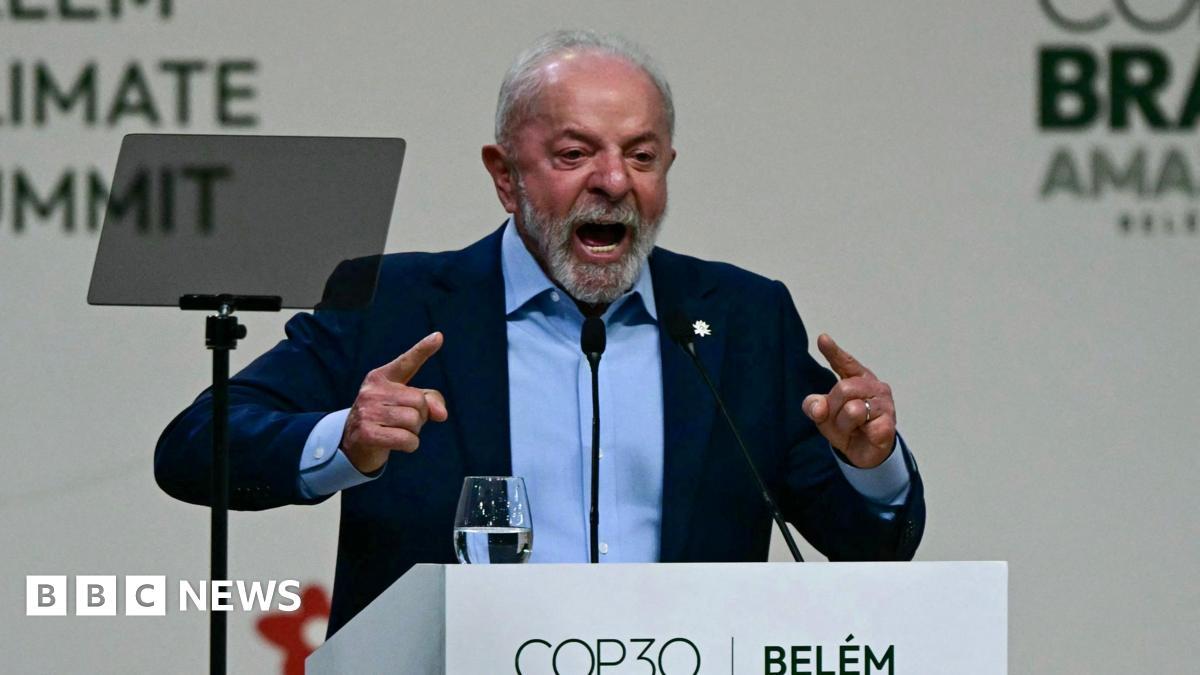
Western alternative news sources report that U.S. disengagement is pushing some governments toward denial and deregulation. This framing coexists with uneven progress elsewhere, such as the EU's ambition tempered by compromises on carbon credits.
Brazil's forest finance drive continues alongside controversial offshore oil development. These factors underscore how the U.S. absence compounds already difficult negotiations rather than leading them.