South America25 October, 20253 min read
US Sanctions Colombian President Gustavo Petro for Failing to Stop Drug Cartels
The U.S. sanctioned President Petro, his family, and Interior Minister Benedetti for enabling drug cartels. Colombia’s cocaine production surged under Petro’s 'total peace' plan, worsening U.S. drug trafficking concerns.
92 outlets told this the same way.
Outlets did split on Alexandre de Moraes Orders Eduardo Bolsonaro Arrest, Cancels Passport, Enforces Four-Year Sentence →
US Sanctions on Colombian Leaders
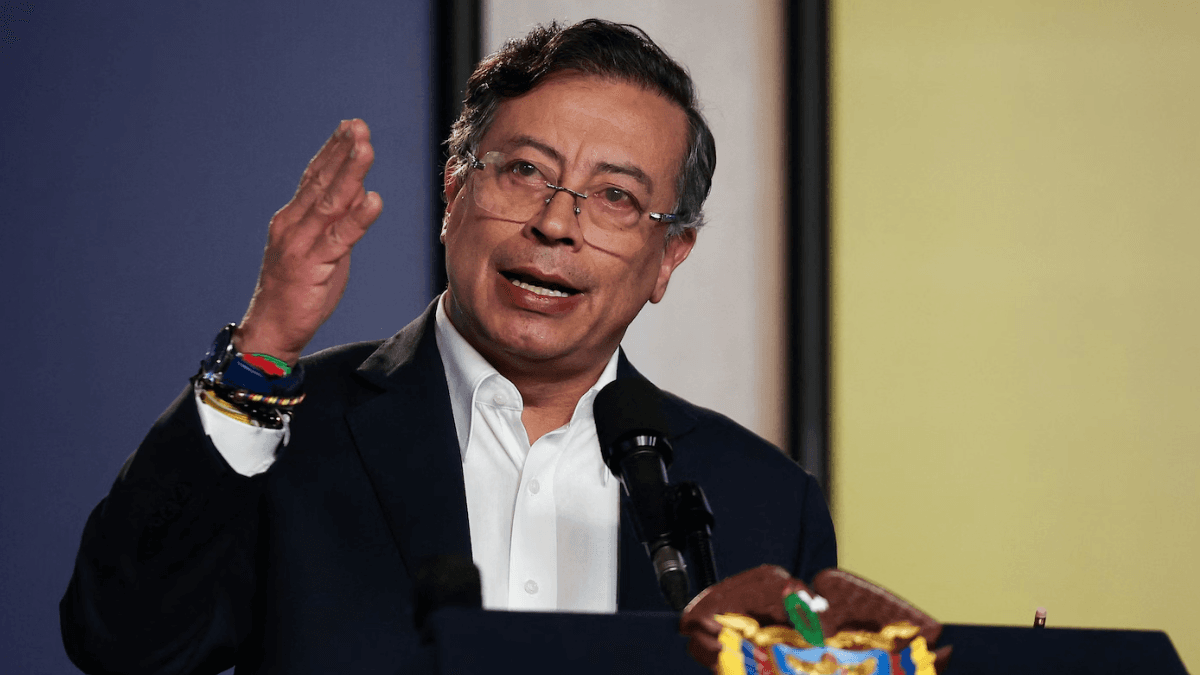
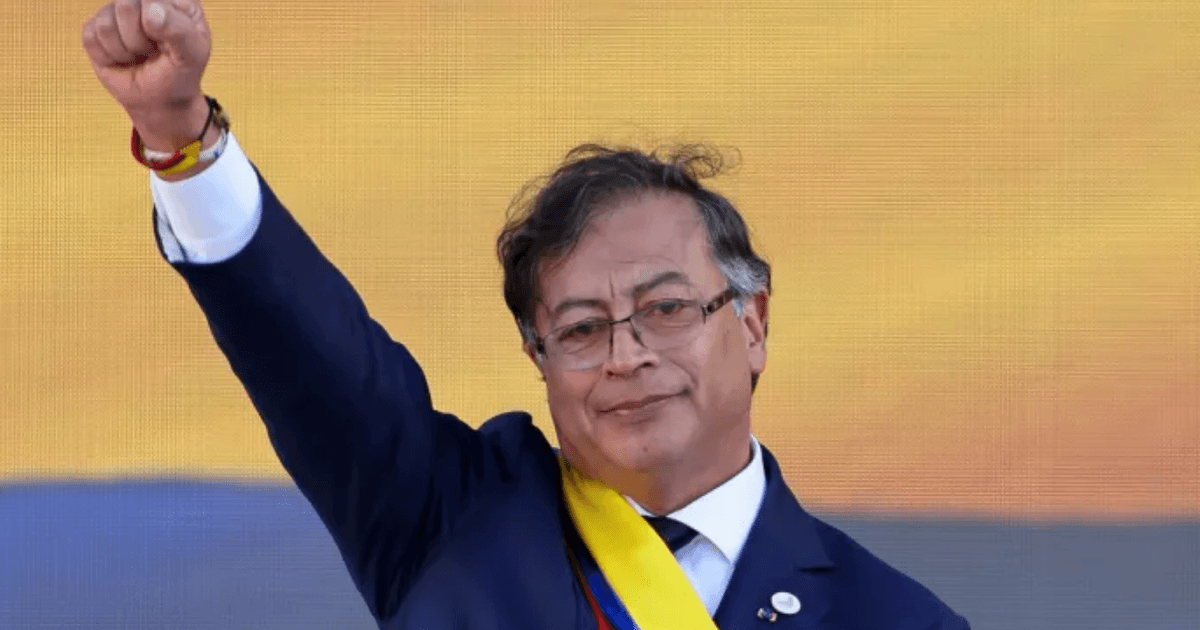
The U.S. Treasury announced sanctions on Colombia’s President Gustavo Petro.
“The U.S. Treasury Department has sanctioned Colombian President Gustavo Petro, his wife, son Nicholas, and Interior Minister Armando Benedetti, accusing them of involvement in the global drug trade and citing increased cocaine production in Colombia since Petro took office.”
The sanctions also target his wife, his son, and Interior Minister Armando Benedetti.

These restrictions freeze U.S. assets and limit dealings by Americans with the sanctioned individuals.
The sanctions come amid accusations that they enabled drug cartels as cocaine production increased during Petro’s tenure.
The measures include placement on the specially designated nationals list with asset freezes and transaction bans.
Travel restrictions such as visa revocation have also been imposed.
These designations were issued under Executive Order 14059.
Coverage varies on who is credited with the move, but all agree it marks a sharp deterioration in U.S.–Colombia relations.
The sanctions place Petro in a category with leaders previously sanctioned by Washington.

Criticism of Drug Policy Impact
U.S. officials and some media outlets justify their criticism by pointing to a surge in coca cultivation and cocaine production during Petro’s tenure. They allege that his “total peace” approach benefited drug cartels and armed groups involved in narcotics trafficking. Sources from West Asia and other regions highlight record or decades-high production levels and claim there was lax enforcement.
Some reports include specific allegations such as sharing sensitive anti-money-laundering information and connections to Venezuela’s Nicolás Maduro and the Cartel de Los Soles. The main policy critique focuses on accusations that cartels were allowed to operate without consequences as production and drug flows to the U.S. increased.
Colombia-U.S. Drug Policy Dispute
Petro rejects the allegations, calling the measures paradoxical and unjust. He says he will fight them in U.S. courts while continuing Colombia’s anti-drug efforts. He and allied officials dispute U.S. assessments, arguing Colombia is targeting major traffickers and pushing crop substitution with coca growers.
“On October 24, the U.S. government imposed sanctions... Petro denounced the sanctions as unjust... and vowed to legally defend himself in the U.S.”
This is despite U.N. data showing cultivation reached record highs. Several outlets report that Washington revoked Petro’s visa and downgraded Colombia’s drug-war certification while cutting aid. Petro links these steps to U.S. military actions he condemns as extrajudicial.
US Actions in Venezuela Region
The sanctions come alongside a U.S. military campaign targeting suspected narcotics smuggling vessels near Venezuela and in the eastern Pacific.
Reports indicate at least 43 deaths have occurred, and an aircraft carrier strike group has been deployed to the area.
Some media outlets highlight the absence of publicly available evidence linking all targets to drug trafficking and raise concerns about sovereignty and legality.
Other sources emphasize the escalation of operations and the designation of groups such as Venezuela’s Tren de Aragua as terrorist organizations.
Regional leaders from Venezuela and Brazil have criticized the U.S. approach, describing it as destabilizing.
Meanwhile, the U.S. Congress is debating potential restrictions on further military and sanction actions.
Media Coverage of U.S. Sanctions
Coverage diverges on who led or authorized the sanctions and how unprecedented they are. There is also disagreement on the scale of U.S. pressure on Bogotá. Some describe the move as the first in decades and tied to a roughly 20% aid cut.
“The U.S. Treasury Department, following a Biden administration executive order, has sanctioned Colombian President Gustavo Petro, his family, and a close associate for alleged involvement in the global drug trade.”
Others call it unprecedented or imply a total aid suspension. Outlets vary on whether to frame the action as under a Biden-era executive order or as a Trump administration imposition.
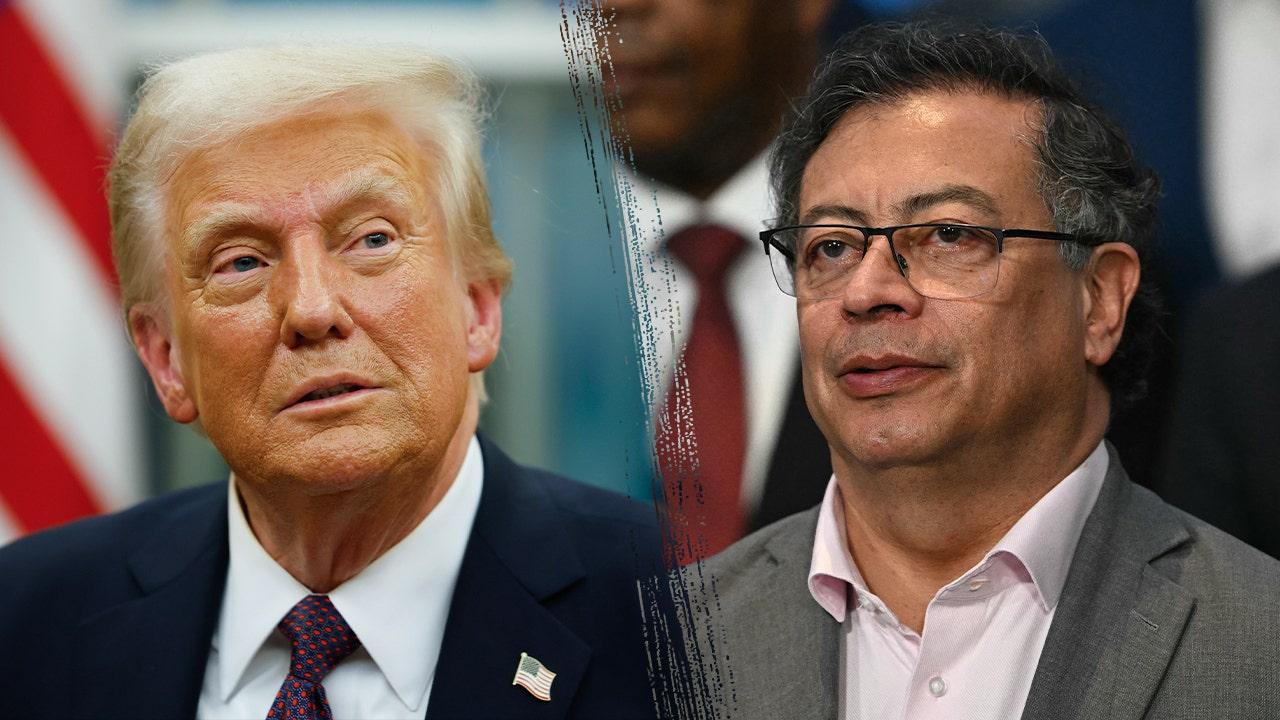
Some add unusual angles, such as placing Petro alongside global pariahs or emphasizing sovereign-immunity timelines. Certain reports carry unrelated content alongside the sanctions story.